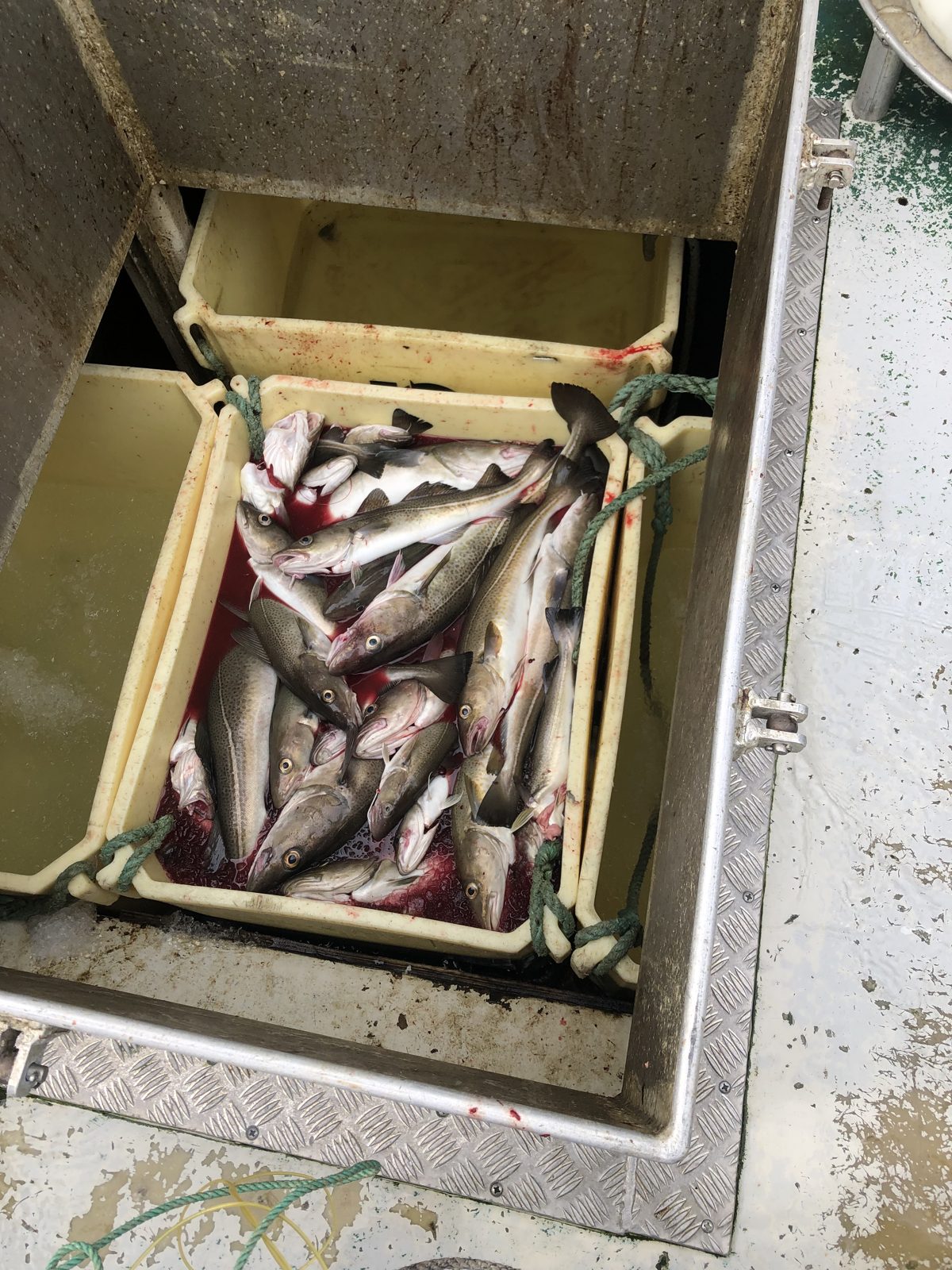
Johannes standing on the grass verge behind a metal barrier near Sønderborg, holding his notebook sign Outside Sønderborg, Denmark ← Hitchhiking
Hitchhiking guide

How I hitchhike

Based on 18,673 km hitchhiked since 2018.

There is no golden rule, and nobody can guarantee you 100% safety. But after more than 15,000 km on the road, some things clearly work better than others. This is what I have learned.

01

Why hitchhike?

Why

Not the fastest way. The best one.

A train is quicker and more comfortable. I still choose the road, for five reasons:

  • The people. A truck driver who took me 953 km in one day. A stranger at Nordkapp who took me fishing under the midnight sun.
  • Their country, not the brochure. Drivers show you where they actually live and eat, and tell you what they really think. Nobody is selling you anything or steering you to the staged, pretty spots.
  • A different view of strangers. Most people are good and happy to help. Every trip proves it again.
  • Adventure and adrenaline. You never know who stops next, or where you sleep tonight. That uncertainty is a rush, and yes, it can get a bit addictive.
  • It costs nothing. No tickets, no bookings, no fixed plan.
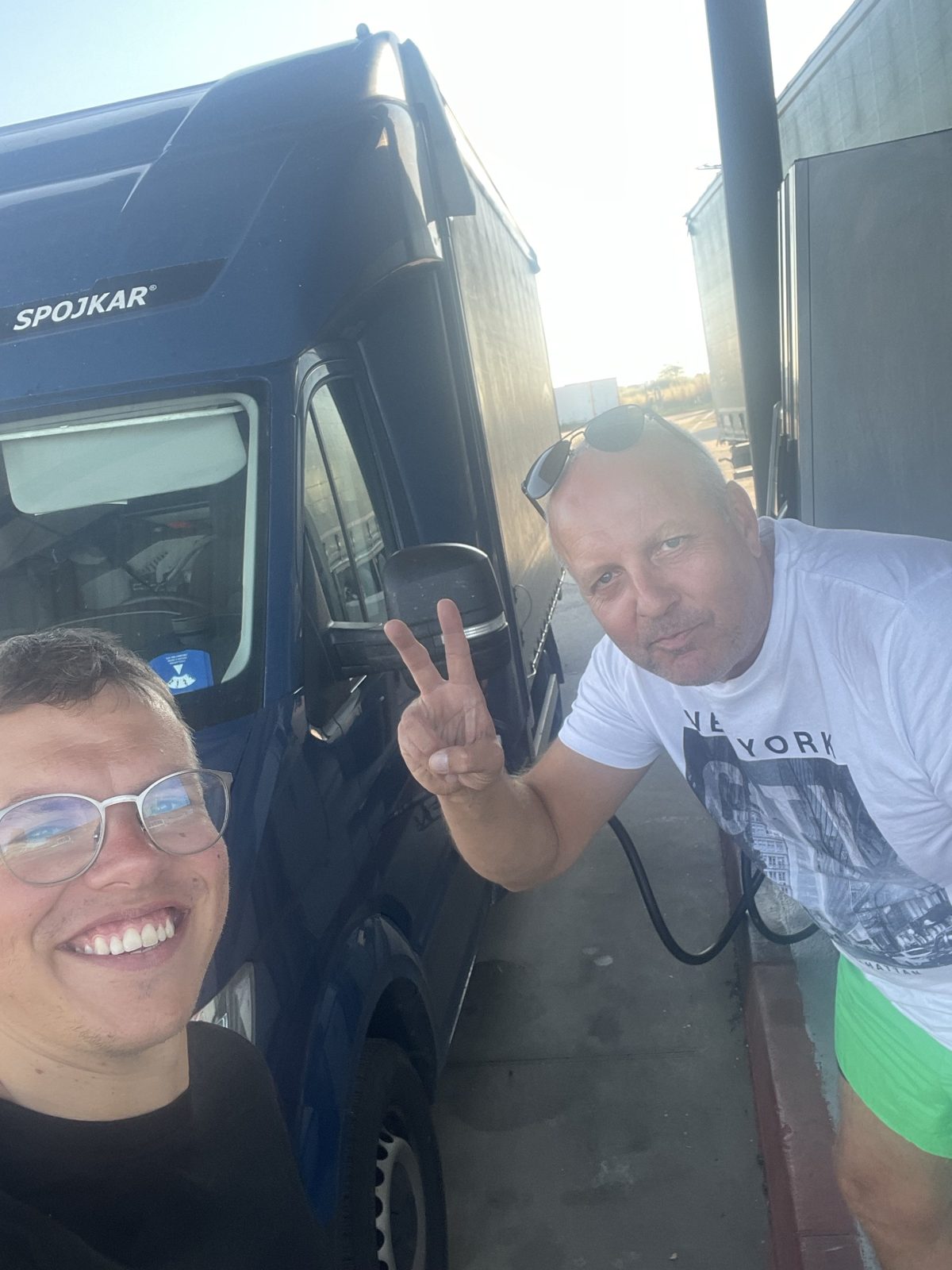
Selfie with Egis, a Lithuanian truck driver, in front of his truck
With Egis, a Lithuanian truck driver: 953 km from Portugal to the French border in one day.
02

Prepare, then read the road

What I do before I leave, and what I keep reassessing on the way: safety, time, where to stand, and where to get in and out.

Safety

The first worry everyone has

Yes, there is a risk. In my experience it is comparable to walking around a city. People who don't want to take you sort themselves out: they simply drive past, and that is totally fine. Nobody has to stop.

I know I'm a man, and that I'm very privileged as a hitchhiker. Still, there are three things I do to feel safe, and some more to consider.

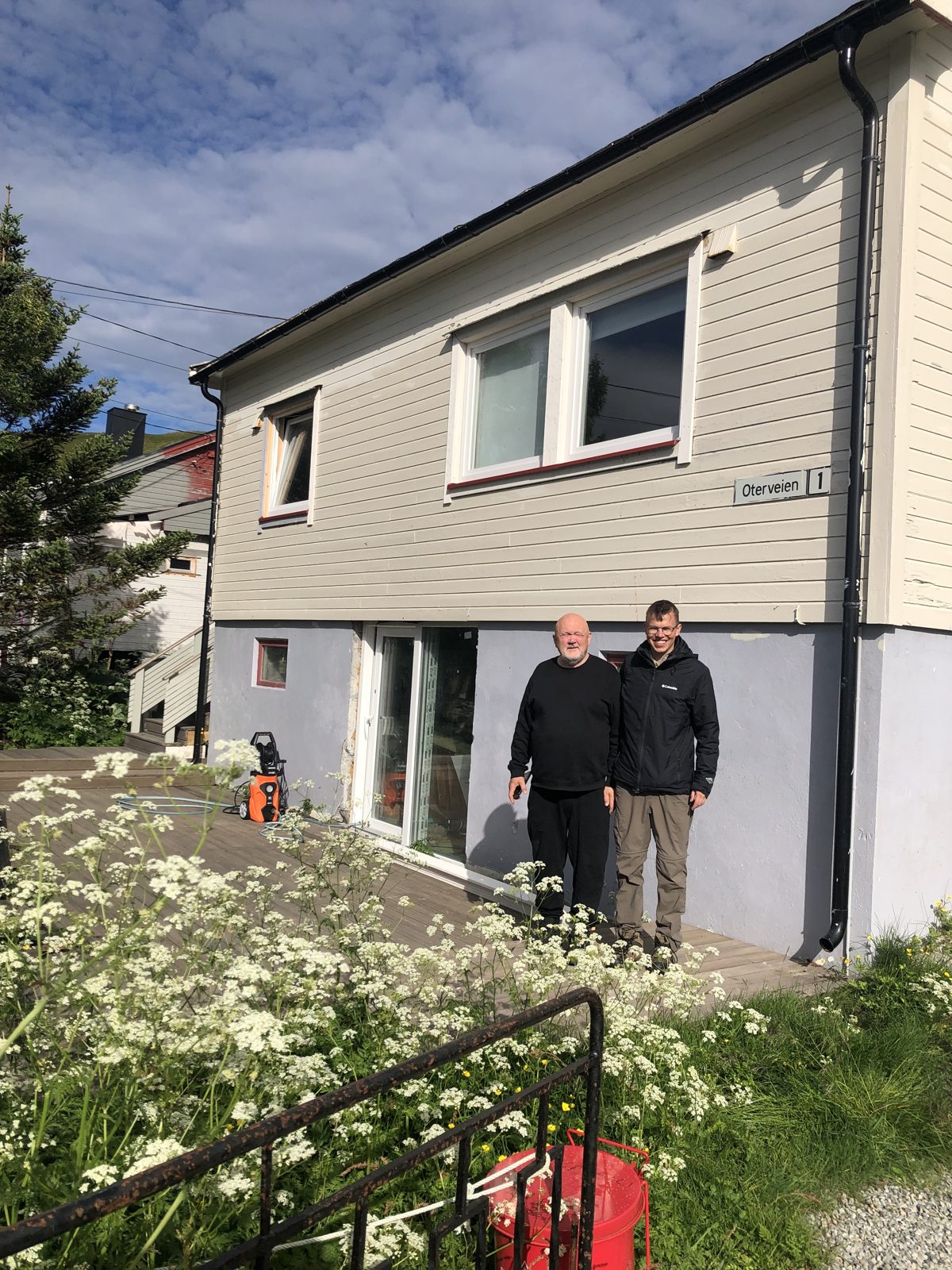
Johannes with his host in front of a house in Skarsvåg
Two nights at the home of a driver who picked me up near Nordkapp.
Safety · 1 of 3

Be prepared, be confident, trust your gut

Preparation gives you confidence, and confidence matters. If you come across as insecure, some people will take advantage of it. That's true in life, and even more on the road.

Then listen to your gut. If a ride feels wrong, take it seriously. Don't rush: the next car can be seconds away, going the same way, further or safer. And if you change your mind during the ride, say you don't feel well and get out at the next petrol station.

And smile. Positive people like positive people ;-)

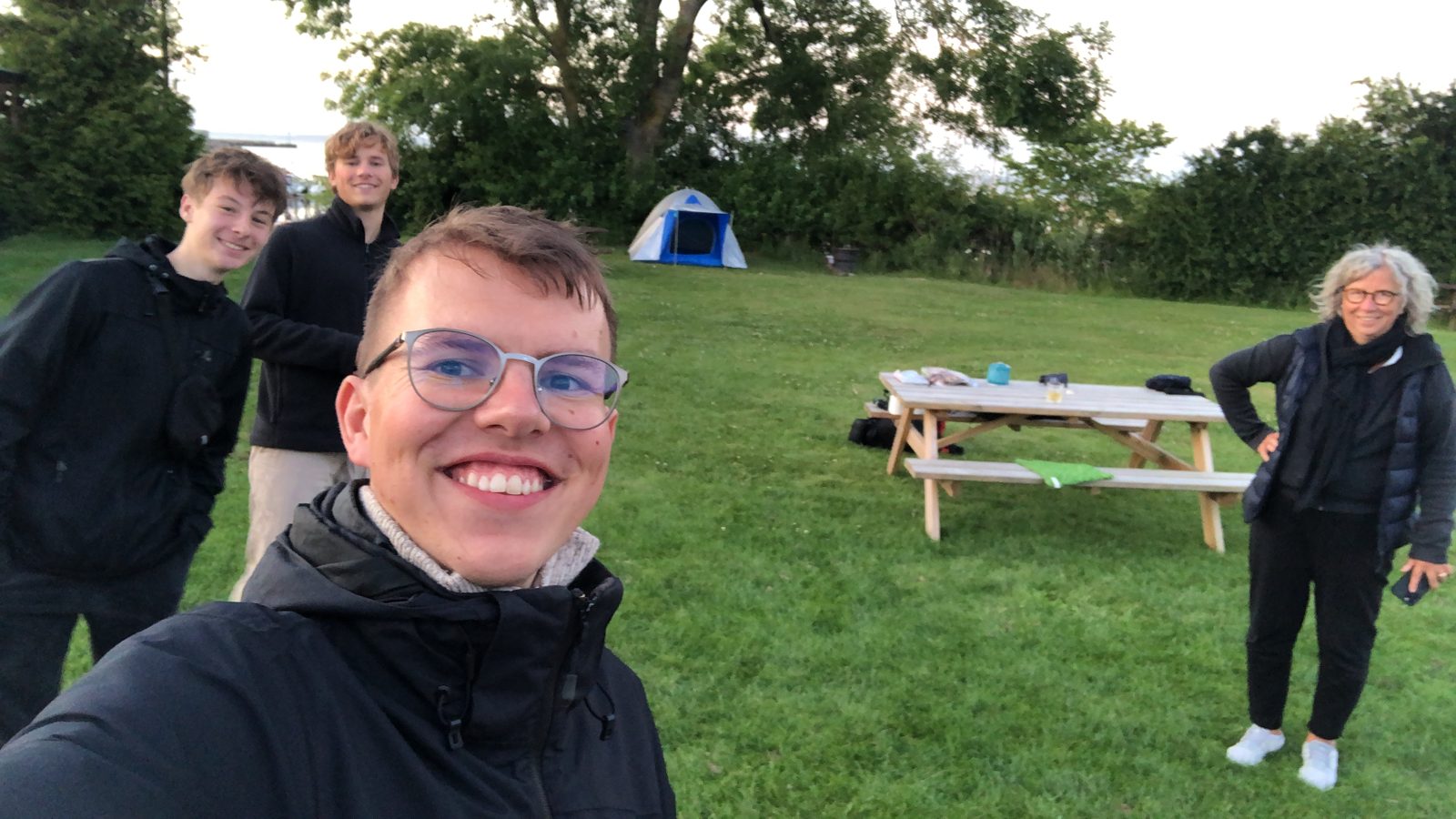
Smiling selfie at a campsite in Fynshav
Day 1 of the Nordkapp trip, Fynshav. Smiling helps.
Safety · 2 of 3

Let someone follow along

A friend or family member can always see where I am through Apple's Find My. I tell them where I'm heading, and that they don't need to worry.

I prefer it to WhatsApp live location: it uses much less battery, and it can still find my phone for a while after the battery has died.

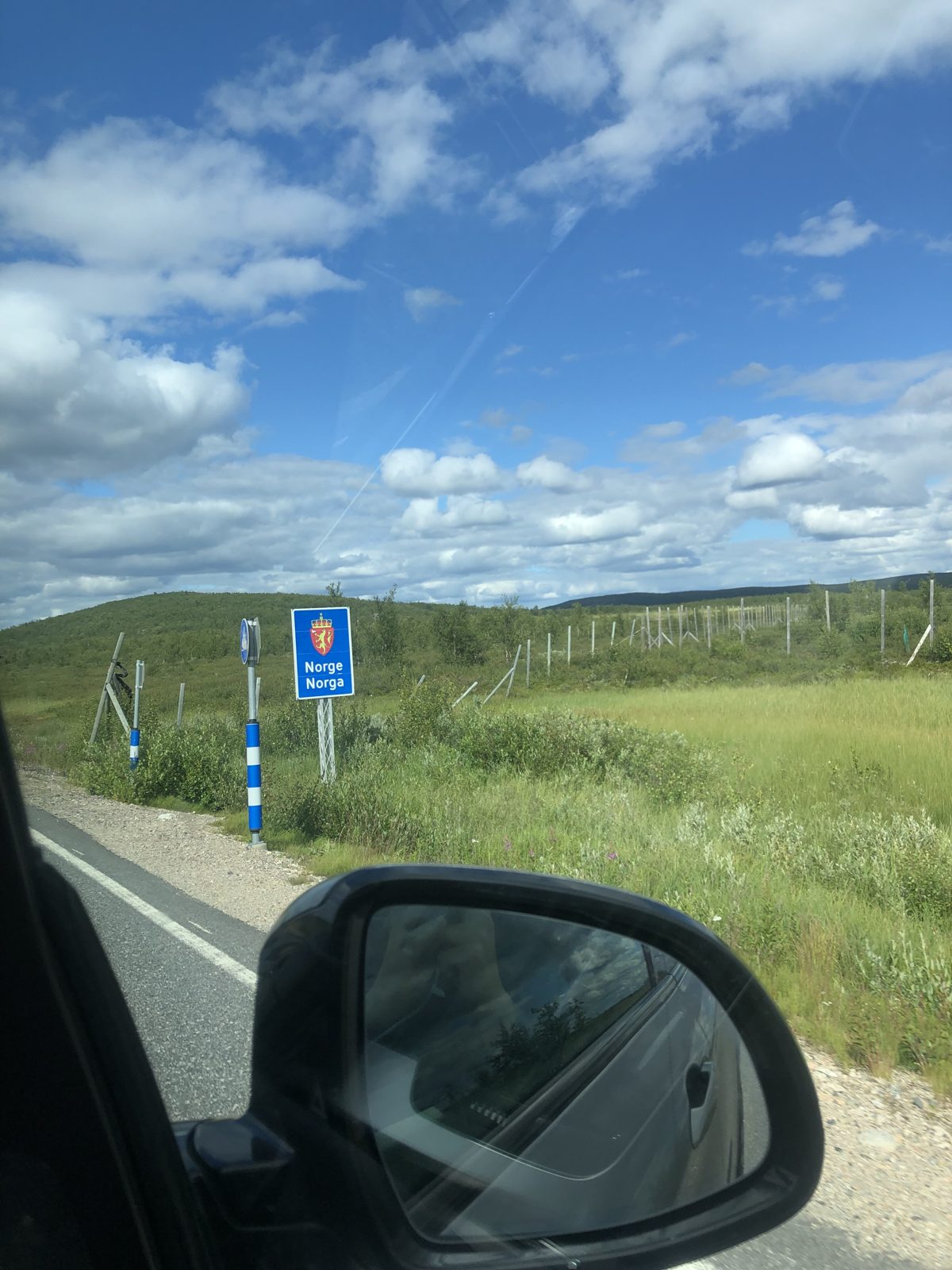
View from a car window at the Finland–Norway border sign
Crossing from Finland into Norway on the way to Alta.
Safety · 3 of 3

The tip I never managed

Before my first trip I read that you should photograph the number plate and send it to a friend. It stuck in my head, but honestly, I have never done it: everything happens too fast.

If it makes you feel better, it's a good habit. Just take the photo before you get in, not after.

📷 photo → friend  ·  me, every time

Safety · Going as two

Not a man? Go as a pair

I know plenty of women who hitchhiked back when it was common, and without any of today's safety tools.

It's also very easy to hitchhike as a pair. Every combination works, but a mixed pair is usually fastest: the man makes the hitchhikers feel safe, the woman makes the drivers feel safe.

Works
Works
Fastest
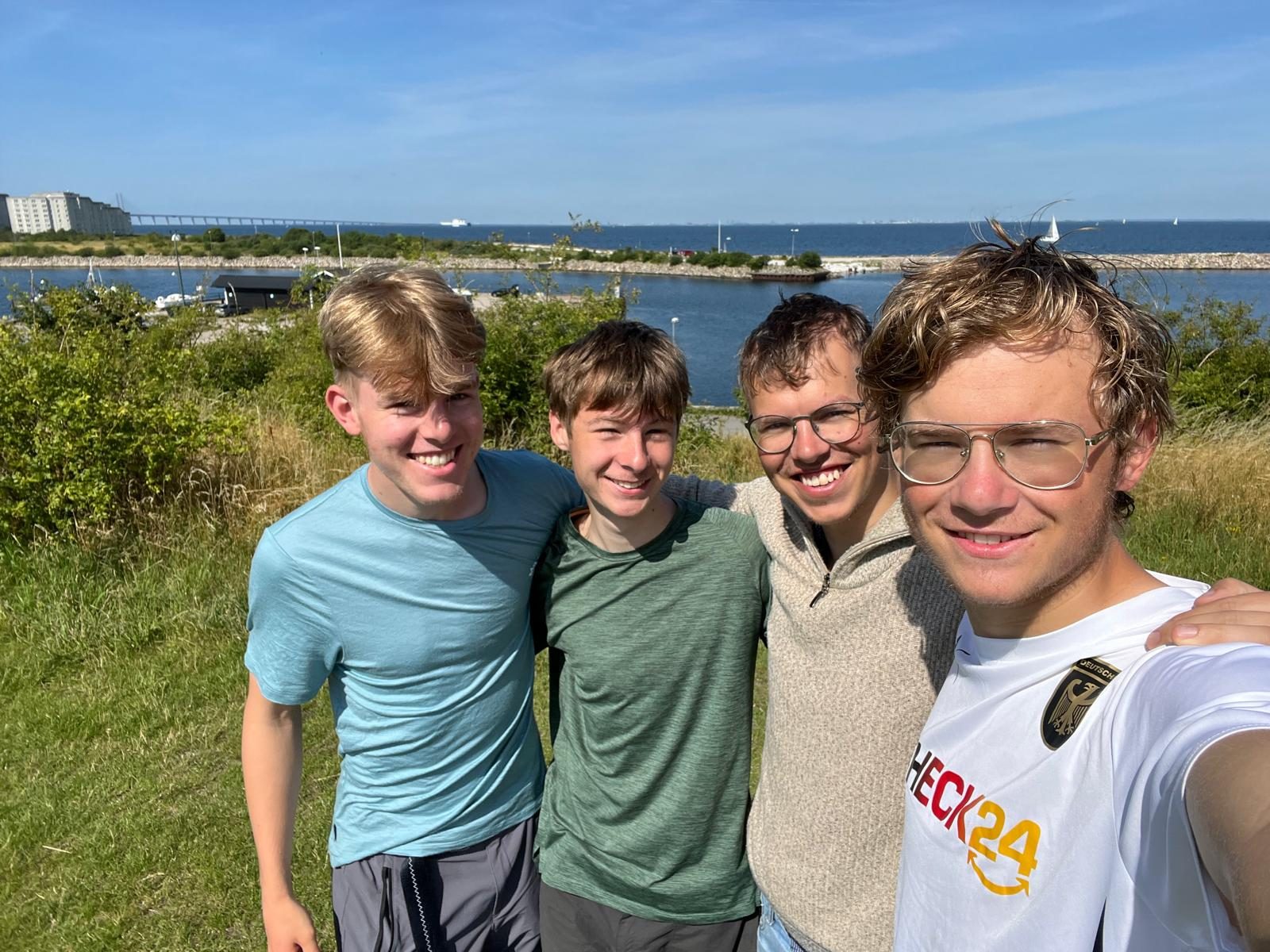
Johannes with his brother and two friends in Malmö
Time

How long will it take?

Time is the second biggest worry. Short rides are usually quick: up to about 100 km, one driver can often take you all the way, so I estimate 20 minutes of waiting plus the drive.

For anything longer I take the normal driving time plus two hours. Some waits are longer, but on motorways a single ride can also take you 200 km or more, and that evens out.

By car5 h 00
Hitchhiking7 h 00
Days at 400–500 km a day1

Up to 100 km: drive + 20 min waiting. Longer: drive + 2 h. Car time assumes about 90 km/h.

Time · Daylight

Stop two hours before sunset

I stop hitchhiking about two hours before sunset. It's safer, and if I'm camping I need that time to find a place, put up the tent and cook dinner.

That is also why I plan with 400–500 km a day when I want to cover a long distance.

Location · The route

The location is key

First understand which route most people take from where you start. The direct line is sometimes the road nobody drives, or where everyone goes the other way.

Around cities and junctions this matters most. I avoid big cities: I ask to be dropped past them, or I get out at a big petrol station before the city and only take a car that gets me through it.

City Berlin Hamburg → you start here Before the junction: everyone still goes your way After it, on your branch City centre Wrong branch Direct, but empty
Smart and stupid places to start, on the way to Hamburg.
Location · The exact spot

Speed and view decide

Once you know the route, find the exact spot where you want to be picked up. Two things matter most: speed and the driver's view.

Cars passing at 80 km/h or more rarely stop; at around 50 km/h drivers have time to look at you and decide. And they need to see you early, about 50 metres ahead, or they are past before they've made up their mind.

100 50 → 100 km/h → 50 km/h Fast, nowhere to stop sees you 50 m ahead Slow, visible, space to pull in
Same road, two spots: one gets you nowhere, one gets you a ride.
Location · Motorways

At petrol stations, stand at the exit

On motorways it's easy. I stand at the exit of the petrol station, before cars accelerate, with a bit of space so others can pass if someone stops for me.

Safety first: never stand on the motorway itself, where it isn't legal. Stand before the signs, ideally with some distance, so nobody can say anything.

Motorway → shop & pumps Station exit: slow, all going your way Never on the motorway Or ask people at the pumps →
The best spot is where every car is slow and already going your way.
Location · Other roads

Leave room to stop

Away from motorways, stand where there is a bit of space behind you, so a car can pull over there for a moment.

Don't make cars drive around you. If there is a metal barrier, stand behind it: it might save your life.

And then be ready to make a fast decision ;-)

Traffic → On the road edge: cars swerve around you you Behind the barrier, off the road Space behind you to pull in
Give drivers somewhere to stop, and keep yourself out of the lane.
On the road · Pick-up

Getting picked up

  • Ask, don't just wait. At petrol stations, talking works far better than a thumb: "Hi, I'm hitchhiking to Hamburg. Are you going north on the A1?" If they say no, thank them and move on.
  • Write the next big city, or the road number, not your final destination. Nobody near Cologne drives to Nordkapp, but plenty drive to Hannover or Osnabrück.
  • Use an A4 spiral notebook, not cardboard. One page per city, always in your bag, and it lasts for many trips.
  • Look like someone you'd pick up. Sunglasses off, hood down, backpack visible, face the traffic.
  • Trucks go far, but many companies don't allow passengers. Ask drivers on their break at truck stops.
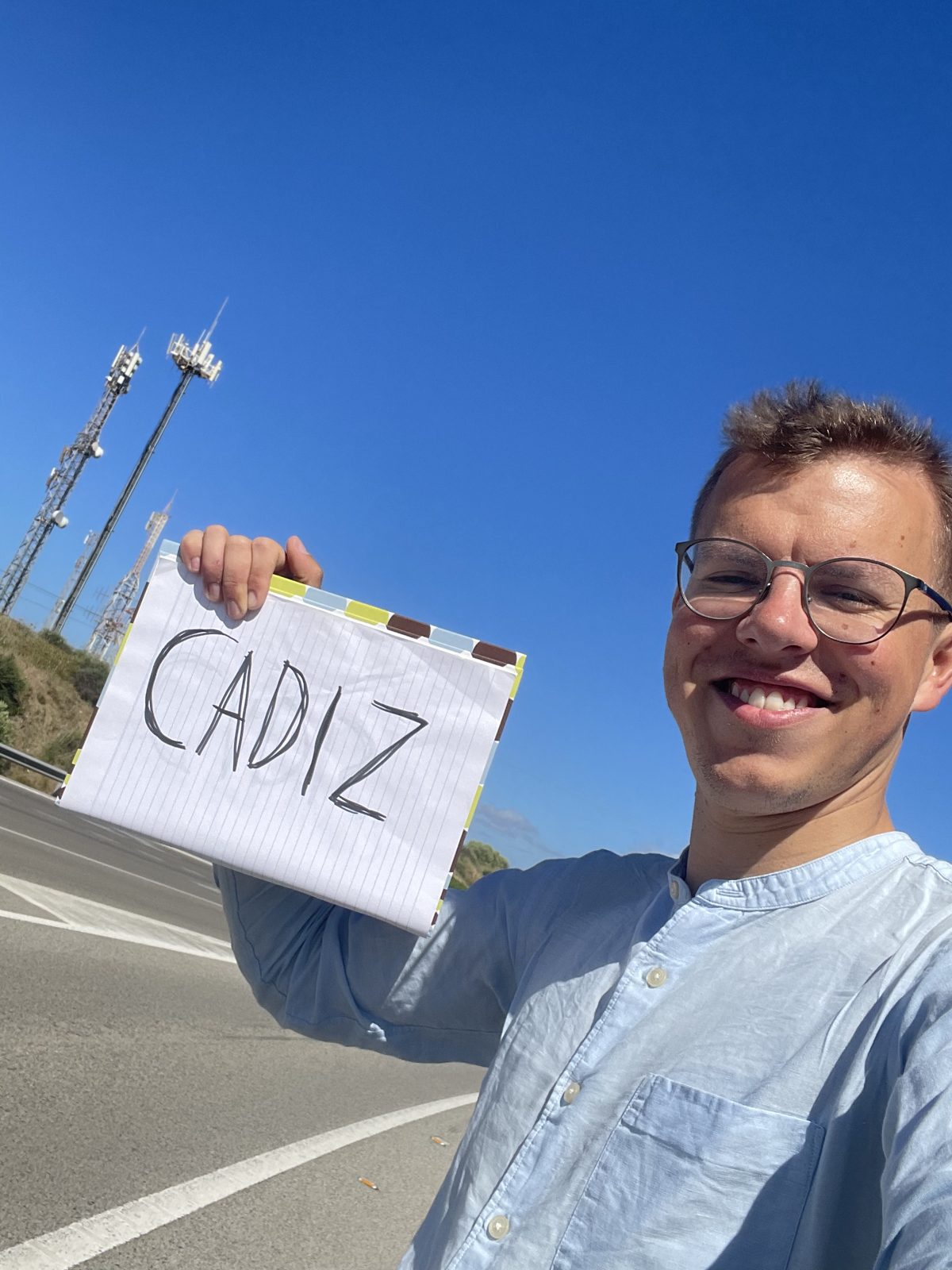
Selfie of Johannes holding an A4 spiral notebook with CADIZ written on it, at the side of a road
On the way to Cádiz, with the notebook that has seen most of my trips.
On the road · Drop-off

Plan where you get out

  • Ask where they're going before you get in, not after. Then you can decide if the ride helps you.
  • Get dropped at a petrol station on your route, not at an exit in the middle of nowhere or in a city. If the driver leaves the motorway, ask for the last service area before their exit.
  • Check the map before you get out, and say yes to a short ride only if it ends at a better spot.
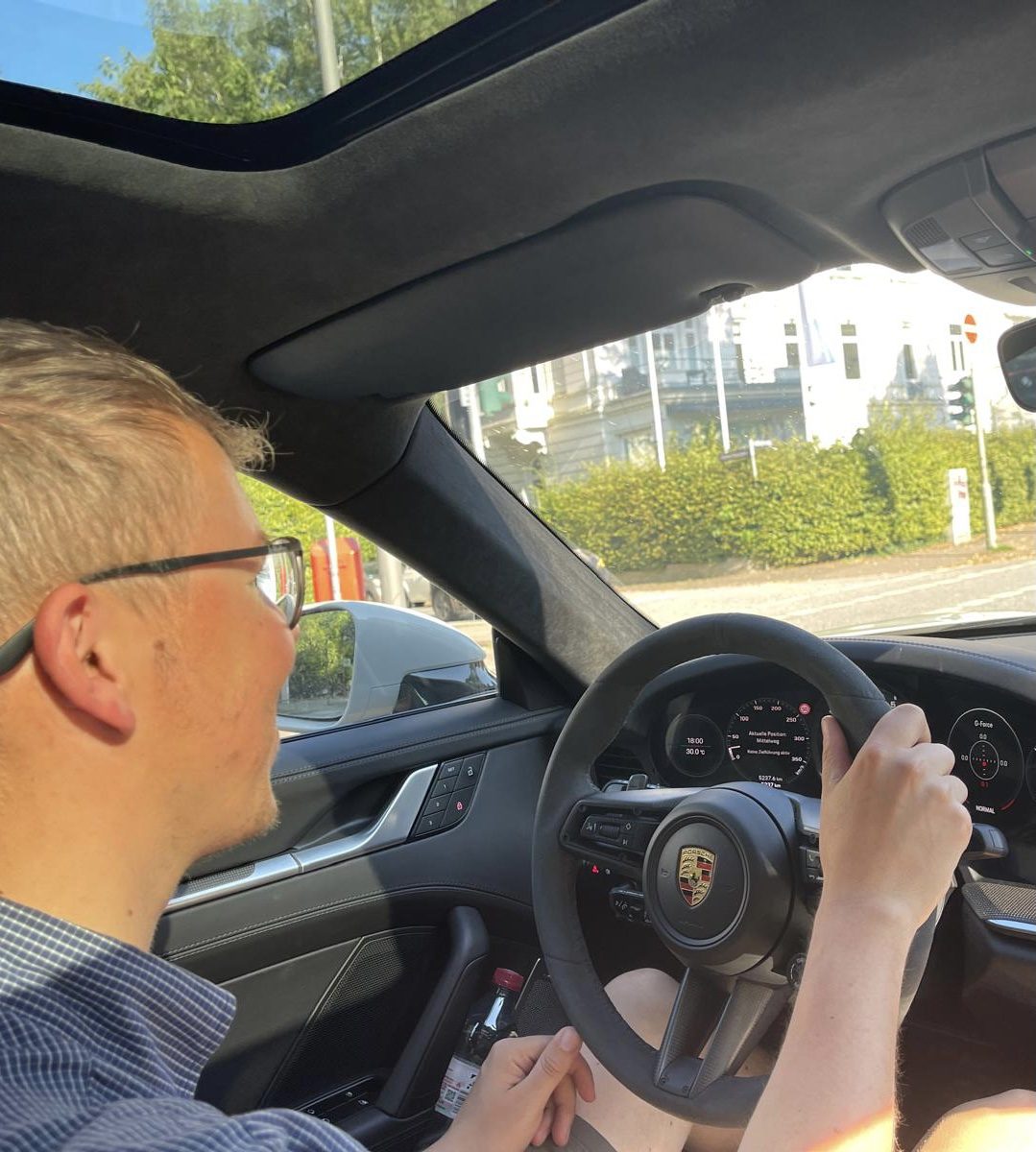
Johannes behind the wheel of a Porsche
Day 16 of the Nordkapp trip: the driver let me drive the last minutes to Hamburg central station.
03

Stories & background

The numbers behind the tips, the people who made the trips, and the mistakes I made along the way.

The numbers

18,673 kmhitchhiked since 2018
20trips
953 kmbest single day
4 h+longest wait

If a spot doesn't work, move

Waiting longer at a bad spot almost never pays off. My own numbers:

WhereBad spotAfter moving
Jönköping, Sweden4 h+ at one highway entrance15 min at the next entrance, 1.5 km north
A10, outside Berlin1 h 30 before a traffic light, cars at 100 km/h10 min at a second light with a 50 km/h limit
Past Cádiz, Spain3 h+ on a small coastal roadTaxi to the A381 motorway, then one ride to southern Portugal
Before CopenhagenStuck at a bad spot most of the dayBack to a good motorway petrol station: 250 km by 9 pm

The people

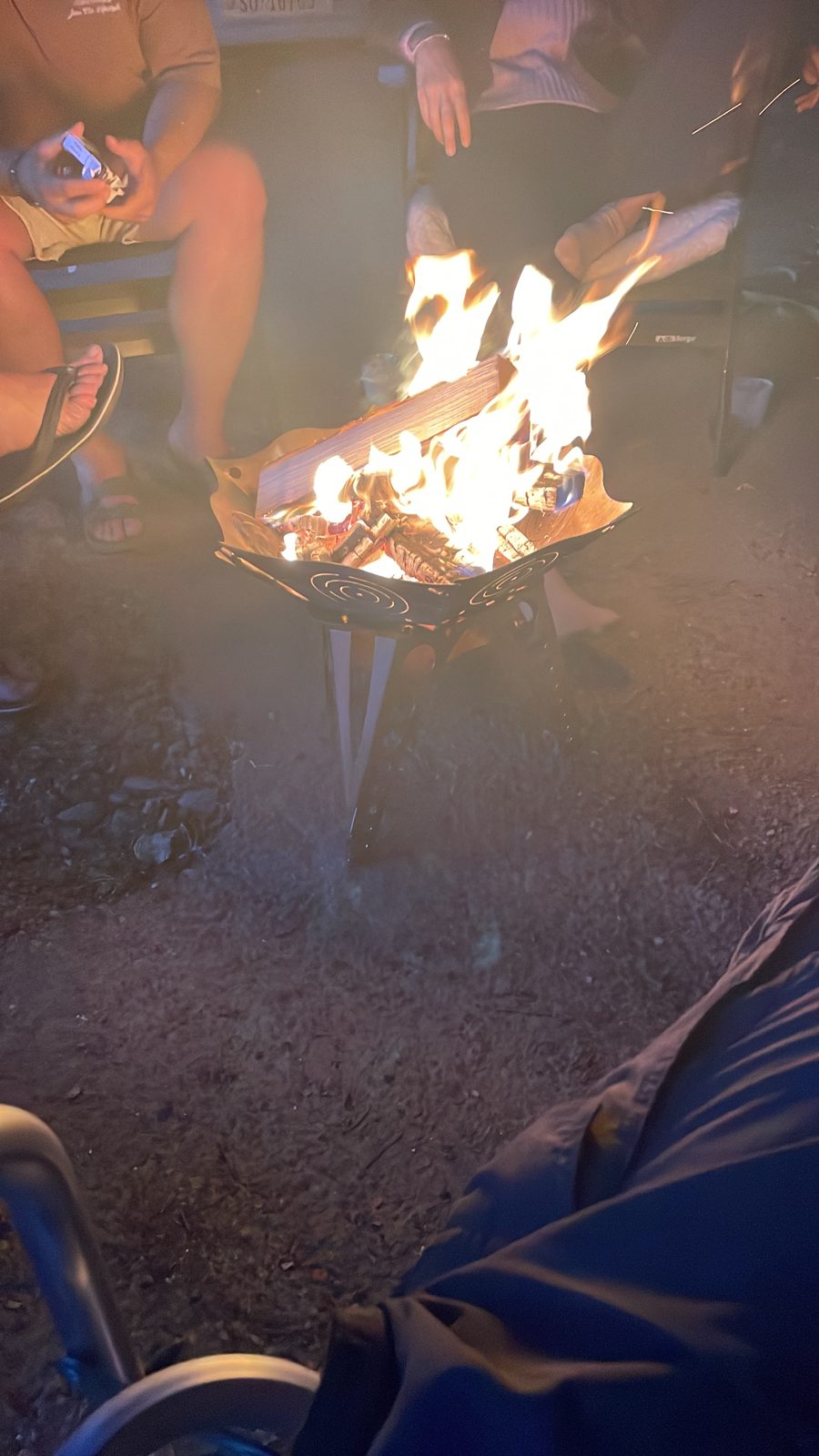
A campfire at night

Picked up twice by Ronja

She dropped me off in France, texted later that she was driving to Bordeaux, picked me up again, and I ended the day at her family's campfire in Abzac.
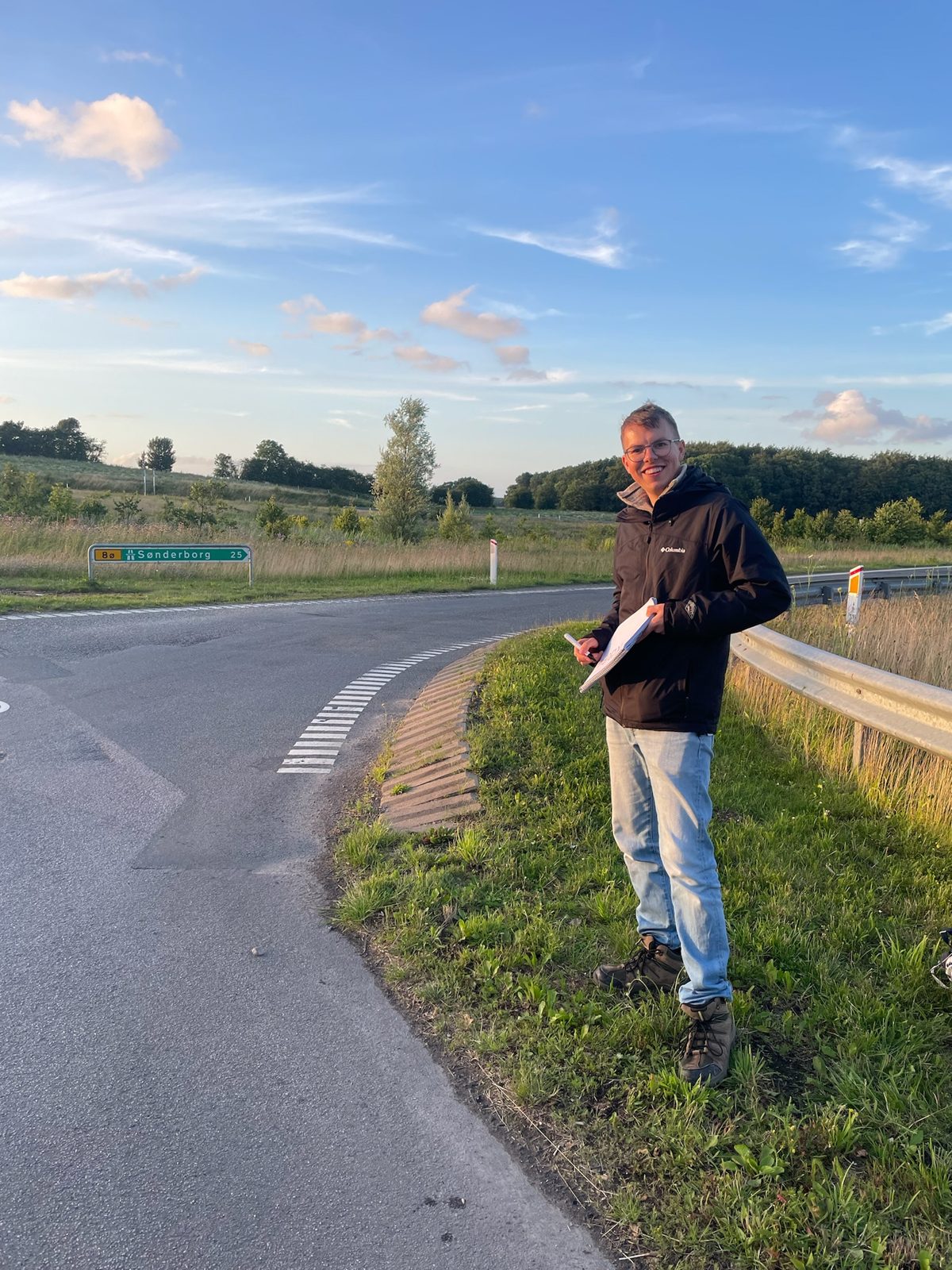
A box full of freshly caught fish

Two nights in Skarsvåg

A man from the Faroe Islands picked me up near Nordkapp, invited me home and took me fishing under the midnight sun.
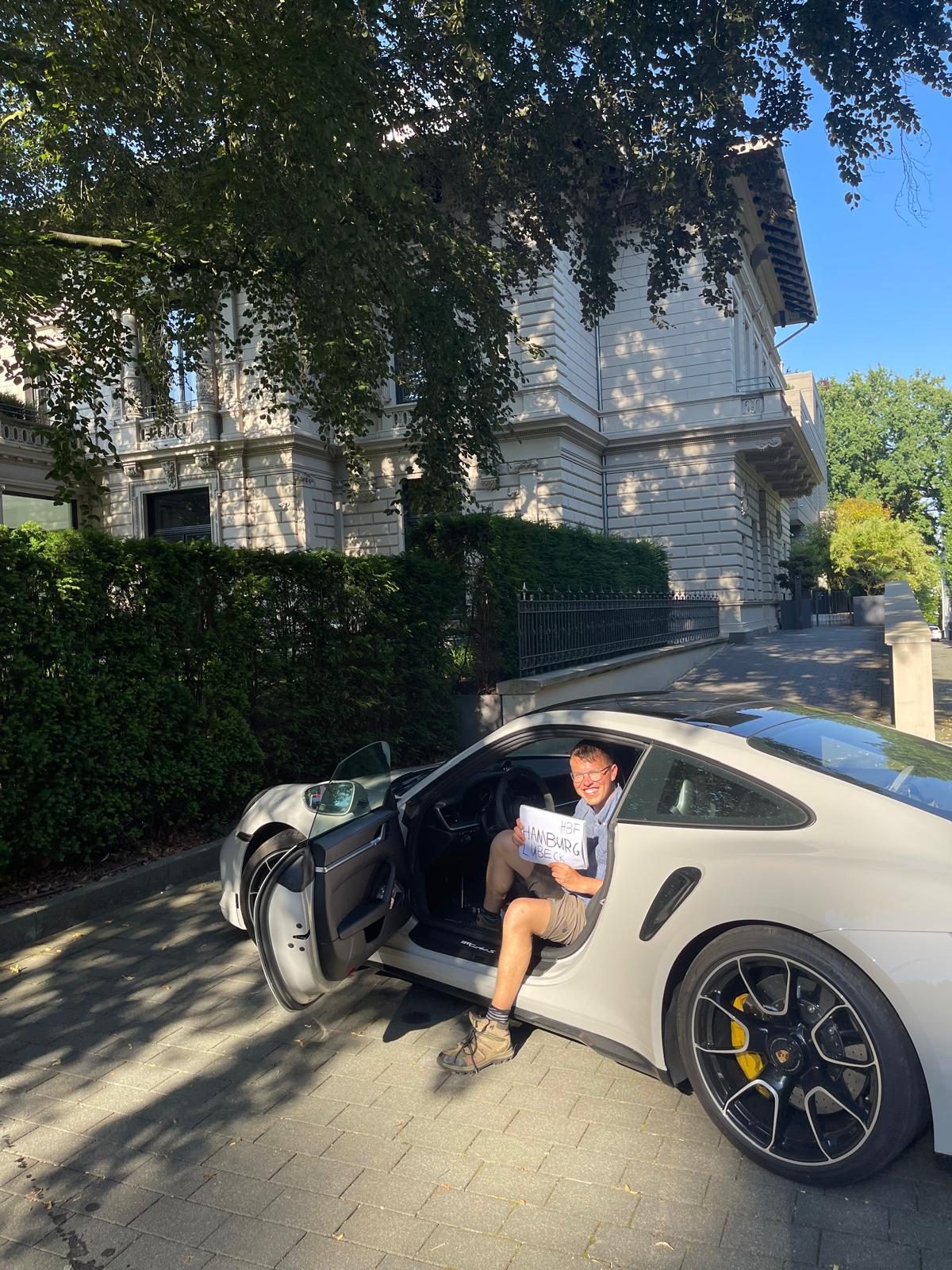
Johannes sitting in a white Porsche 911 outside a house in Hamburg

The Porsche to Hamburg

The last ride of the Nordkapp trip. In Rendsburg a Porsche 911 Turbo S pulled over. After an hour of stories, the driver handed me the keys and let me drive the last minutes to Hamburg central station.

Easiest and hardest places

From my own trips, not a ranking of every country. A lot depends on the spot, but some places make it easy and some make it hard.

Easy
  • GermanyPetrol stations on every motorway. My first trip, Bonn to Basel, took under six hours.
  • Sweden, Denmark & NorwayAmazingly easy almost everywhere. Few roads, so everyone is going your way, and drivers take you hundreds of kilometres. My 4-hour wait in Jönköping was my own fault: a bad spot.
  • IslandsOften there is just one main road, like on Lofoten and Ærø, so almost every car is going your way.
  • The BalticsIn Riga I was picked up almost immediately once I moved 400 m.
Depends on the spot
  • FranceA bit harder than the north, with longer waits. But the drivers who stop are great: Ronja picked me up twice in one day.
  • Spain & PortugalGreat on the motorway, slow on small coastal roads. Past Cádiz I needed a taxi back to the A381.
Hard
  • LiechtensteinLots of rich drivers, and the ones who stopped gestured that they wanted money for the ride. Plan around it.
  • Big citiesGetting out of Lisbon and Berlin cost me hours. Take public transport to the edge first.

Mistakes I made, so you don't have to

Staying too long

Four hours in Jönköping, when the next entrance 1.5 km away took 15 minutes. If nothing happens after an hour, change something.

The scenic route

Past Cádiz I followed the coast instead of the motorway. Three hours later I paid for a taxi back to the A381.

Fast cars

On the A10 I stood where cars went through at 100 km/h. Ninety minutes of nothing; at a 50 km/h light, ten minutes.

Liechtenstein

Possibly the worst place in Europe to hitchhike. Drivers who stopped gestured that they wanted money first. I should have planned around it.

Underestimating the cold

A June thunderstorm in Sweden with a summer sleeping bag. Pack for the worst night, not the average one.

Leaving big cities

Lisbon and Berlin both cost me hours. Take public transport to the edge of the city first.

What I pack, where I sleep, what I use

In my bag

  • A4 spiral notebook and a thick marker
  • Power bank, offline maps
  • High-vis vest, rain jacket, something warm
  • Water and food for two full days
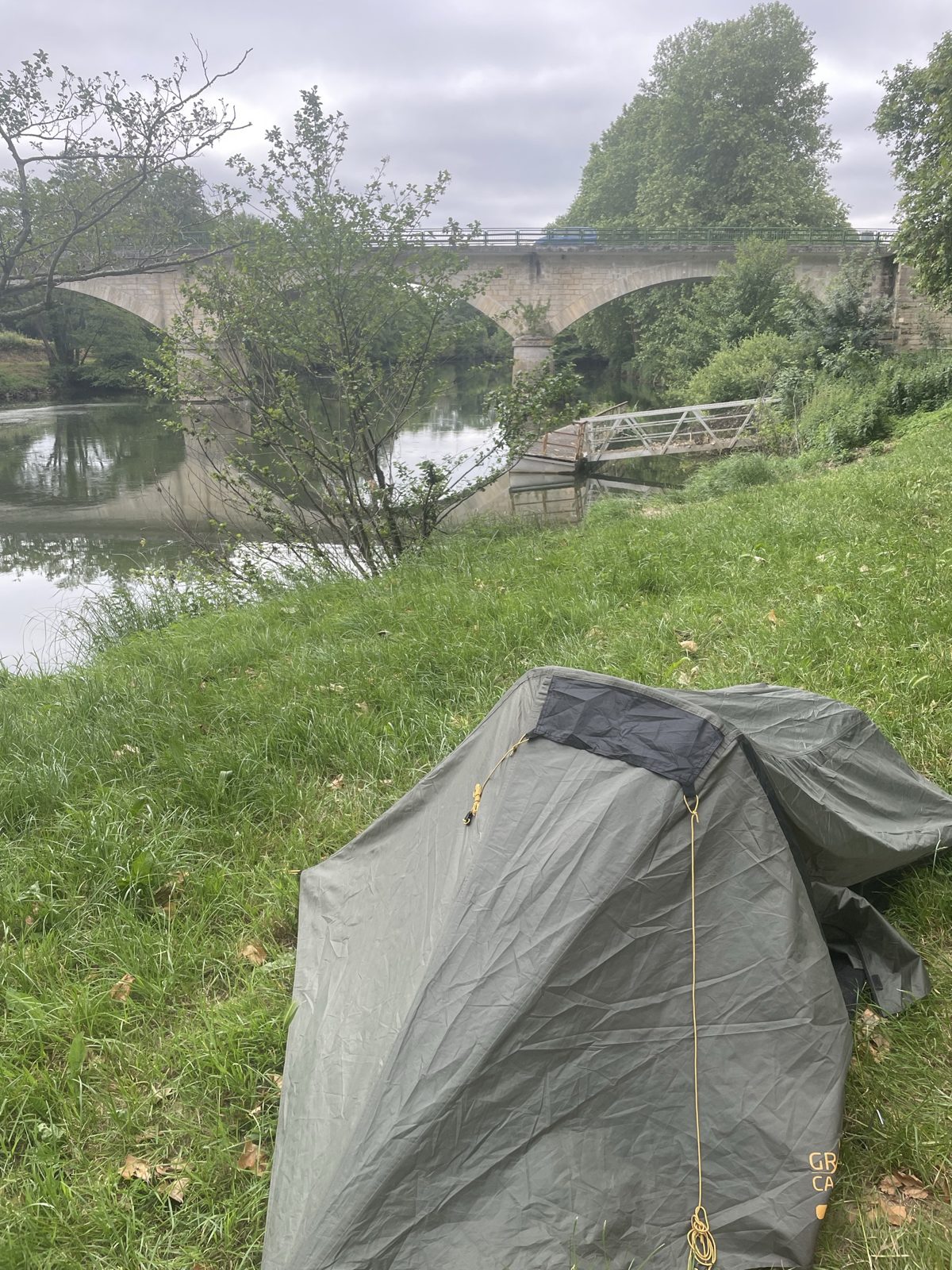
  • Tent, mat and a sleeping bag for colder nights than you expect

Where I sleep

  • Next to a petrol station: toilets, water, and a good spot in the morning
  • Cheap hostels in cities, full of travellers trading tips
  • Trustroots or Couchsurfing
  • Invitations from drivers, when my gut says yes

Tools

  • Hitchmap: spots with real waiting times
  • Hitchwiki: advice per country and city
  • Trustroots: hospitality by hitchhikers
  • Find My, for someone at home to follow along

Hitchhiking is legal across Europe, but walking on motorways is not. Studies on the risk are summarised on Wikipedia.

Questions I get asked

Do you pay the drivers?

No. You are free to give something as a little thank you, like a snack or some of your food. But picking you up is the driver's free choice. If a driver asks for money, I tell them they are free to let me out again.

What do you talk about for hours?

Here you need situational awareness and social intelligence. It totally depends on the driver. Some want to talk, some don't, and that's fine. Most are curious about who they just picked up, and who is crazy enough to hitchhike these days.

Do you hitchhike at night?

I try not to. I stop about two hours before sunset. Night rides do happen, but I plan for them rather than end up in one.

Is it legal?

In most of Europe, yes. What is not legal is walking or standing on the motorway itself, so I stay at petrol stations and before the motorway signs.

What if nobody stops?

Change something. If nothing happens after about an hour, I move to a better spot. That almost always works better than waiting longer. If it really doesn't work, I know where the nearest train station is.

How do you keep your phone charged?

A power bank, offline maps so I don't burn battery searching for signal, and Find My instead of WhatsApp live location, because it uses much less battery. And if it gets critical, ask the driver if you can charge your phone in the car. Nobody has ever said no.

Where do you sleep?

Usually in my tent next to a petrol station, sometimes in a cheap hostel, and sometimes at a driver's home when they invite me and my gut says yes.

Just go

You will wait at bad spots, you will get rained on, and at some point you will ask yourself why you do this. Then someone pulls over, and you remember.

Start small to build confidence. Missed the bus, or don't want to wait in the sun on your holidays? Give it a try. It's an amazing way to get in contact with the locals.

Pick a route, write a sign, and stick out your thumb. If you have questions before your first trip, write me on Instagram.

See all my trips on the map →
✉ johanneslwilkens@web.de · LinkedIn · @johannes.lw

Johannes Wilkens · Copenhagen · Built with curiosity

Designed and built with the help of AI.