After finishing my apprenticeship I decided to take a year and see the world. I had a few route ideas — flying to South Africa and continuing through Namibia into Southeast Asia, or hitchhiking to Portugal, sailing across the Atlantic, hitchhiking the length of the USA, then finding a way to Southeast Asia over land or by plane. After a serious conversation about sustainable travel with a good friend and mentor — the same person who'd nearly talked me into becoming a forester — I decided on something different: reach New Zealand without flying.
Day one: Cologne to Berlin
On 25 February 2020 I left Cologne with the goal of reaching New Zealand without flying. My dad dropped me at the Autobahn on-ramp in Königswinter at 8:30am, 23kg on my back, three days of emergency food, emergency meds, and a cardboard sign that read 'Leverkusen – A1 – Remscheid.' Half my brain said this would go fine. The other half said it was completely uncertain. Both halves turned out to be right, just at different points over the next four weeks.
Bad start: 45 minutes stuck at a petrol station in Siegburg, not moving an inch. A woman who just wanted lunch took me as far as Leverkusen — a decision I regretted for the next hour and twenty minutes, until someone else got me onto the A1 toward Remscheid. Then it clicked: a fellow hitchhiker from Cologne, 20 minutes, a ride almost to Dortmund. Ten minutes after that, on to Gütersloh. I was mid-sentence describing my cardboard sign to the next driver when a ride to near Hanover showed up. Five minutes later, a young Belgian couple drove me straight through to Berlin Wedding. Slow at first. Then all at once.
Day two and three: the A10, in the rain and a fast ride through Poland
Slept at my grandparents' place in Weißensee, walked 10 minutes to the B2 out of Berlin, and waited — 1h15, weather getting worse, despite a steady stream of cars heading the right way. Eventually reached the A10 on-ramp and made a rookie mistake: stood just before a traffic light where cars got a green three-quarters of the time and flew past at 100km/h, trucks a metre away kicking up spray, about 5 degrees and raining. Great feeling, all things considered. Walked back to a second light with a 50km/h limit. 1h30 at the first light, 20 minutes warming up in a petrol station, 10 more at the second — then a ride that went partly highway, partly back roads, and dropped me at the on-ramp to the A12 in Fürstenwalde, which becomes the A2 in Poland and runs all the way to Warsaw. That had been the plan from the start.
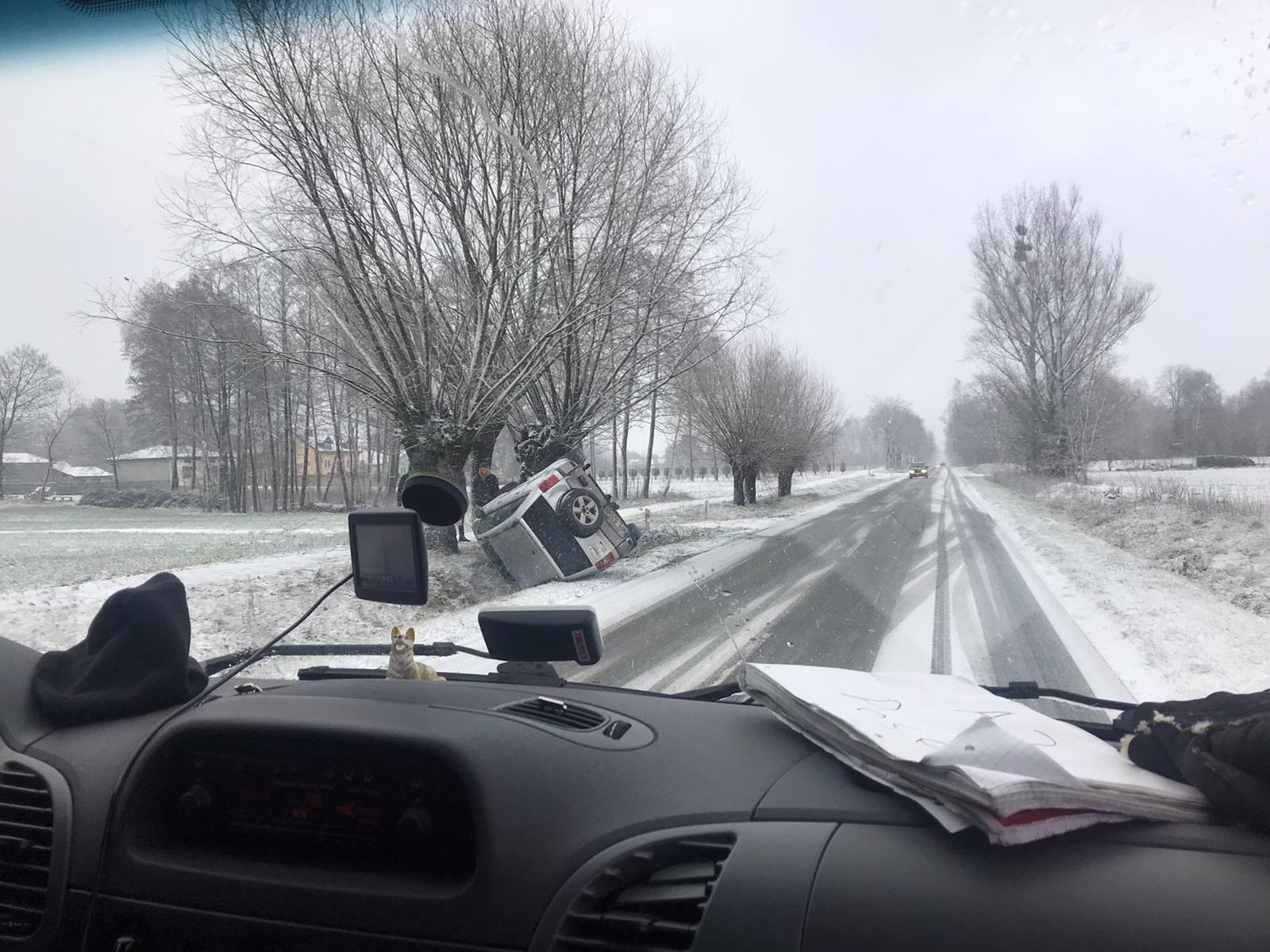
Fewer than six cars later I was in a Sprinter, just across the Polish border. By 3:30pm I'd told myself I had until 4 to start looking for somewhere to sleep. Then I met two English women hitchhiking to Ukraine — seasoned at this, and a goldmine of current route information. We'd more or less agreed to camp out at the rest stop for the night when a driver picked up all three of us, said he was headed to Kolo, dropped the women off just before his exit — and kept driving, with me. 100km in six hours, then 400km in one straight shot, and a bed I hadn't expected at all. We slept one night at a petrol station and then continued. He brought me safe across the snowy Poland, took me home to his family near the Lithuanian border, and put me up for the night like I was his own son.
Riga and Tallinn
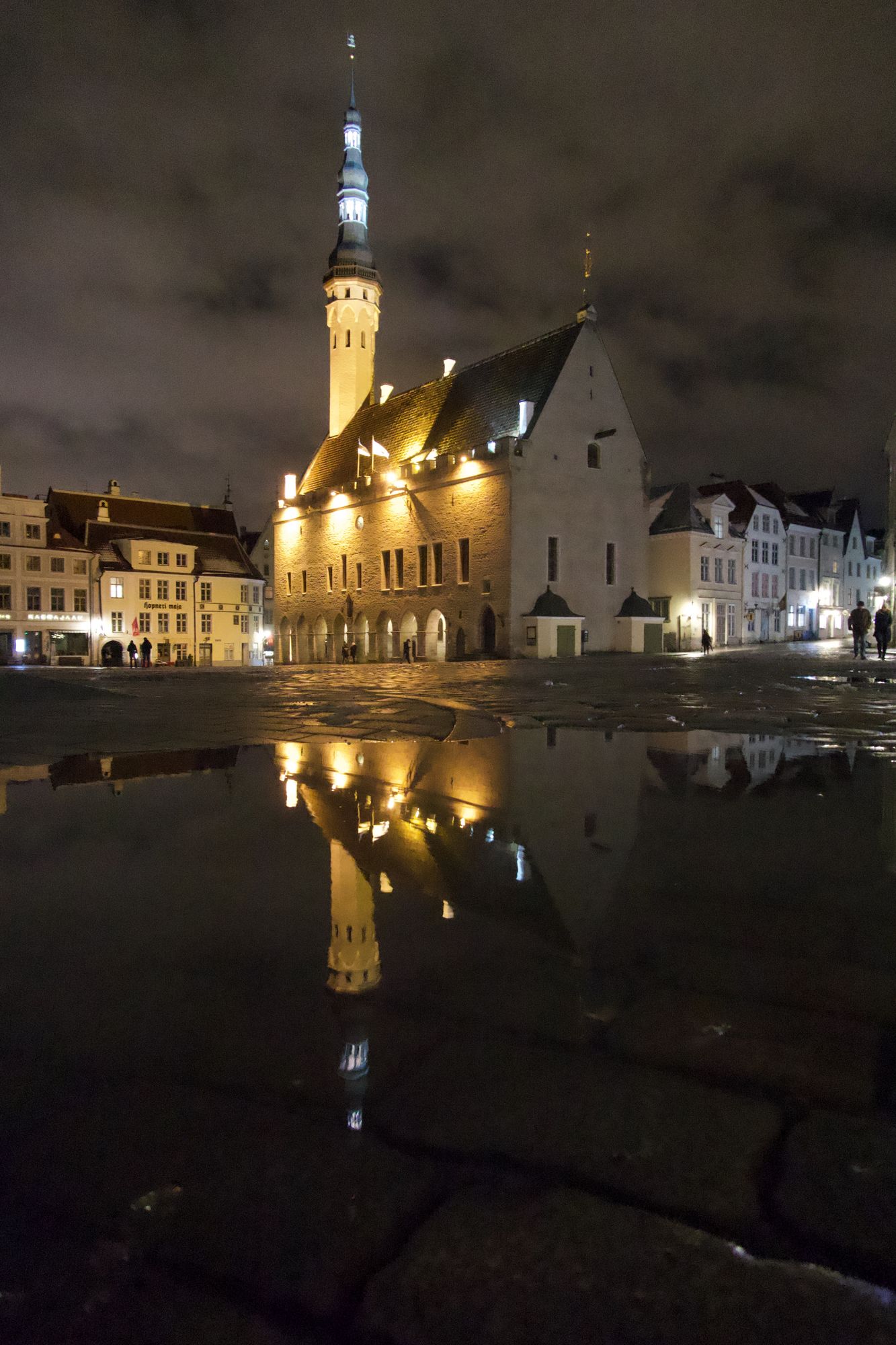
The next morning was the first time I asked myself why I do this to myself — leave a warm, safe house and throw myself straight back into the unknown. Went anyway. A Belarusian woman drove me all the way to Riga, where I stayed one night and explored the city. On 1 March, back on the road, I'd been standing for 20 minutes when I decided a spot 400m away looked better — and a car with a Bolt sign (Estonia's Uber) pulled over, the driver double-checking he'd really stopped for me, then drove me to the expressway for free. Twenty minutes later, two Finns on their way to Helsinki picked me up. By 4:30pm I was in Tallinn, checked into the cheapest hostel TripAdvisor had with no bad reviews — best decision of the day, since it turned out to be full of travellers trading tips. Free walking tour the next morning, where I got talking to a German woman who works at the German Embassy in Lithuania, and ended up spending the whole day with her — old town, the harbour, the 'hipster quarter,' dinner at the best-reviewed restaurant in the city. None of it planned.
St. Petersburg
Bus to St. Petersburg on 4 March — no English announcements, a slightly chaotic ride, but the border crossing went fine despite how tense I'd been about it after all the back-and-forth over my visa. First real lesson: even young Russians often don't speak much English. The hostel made up for it — no room of my own, but a very big, cosy bed in an eight-person dorm, a huge communal kitchen, a living room with a couch the size of a small country, and a free cooking class my first night. I'd planned two days. I stayed six. Once the rhythm kicked in — out until 4 or 6am, up at noon, back in time for the next cooking class at 8 — I stopped doing anything alone. St. Isaac's Cathedral (4th largest in the world, the best view of the city, because nothing's allowed to be built taller); the Hermitage (we thought two hours, it took four, and we still had to jog through half the rooms just to say we'd seen them); new Maybachs parked next to cars that wouldn't pass inspection in Germany; metro stations that double as museums. I hadn't planned to come here at all. Best decision of the trip so far.
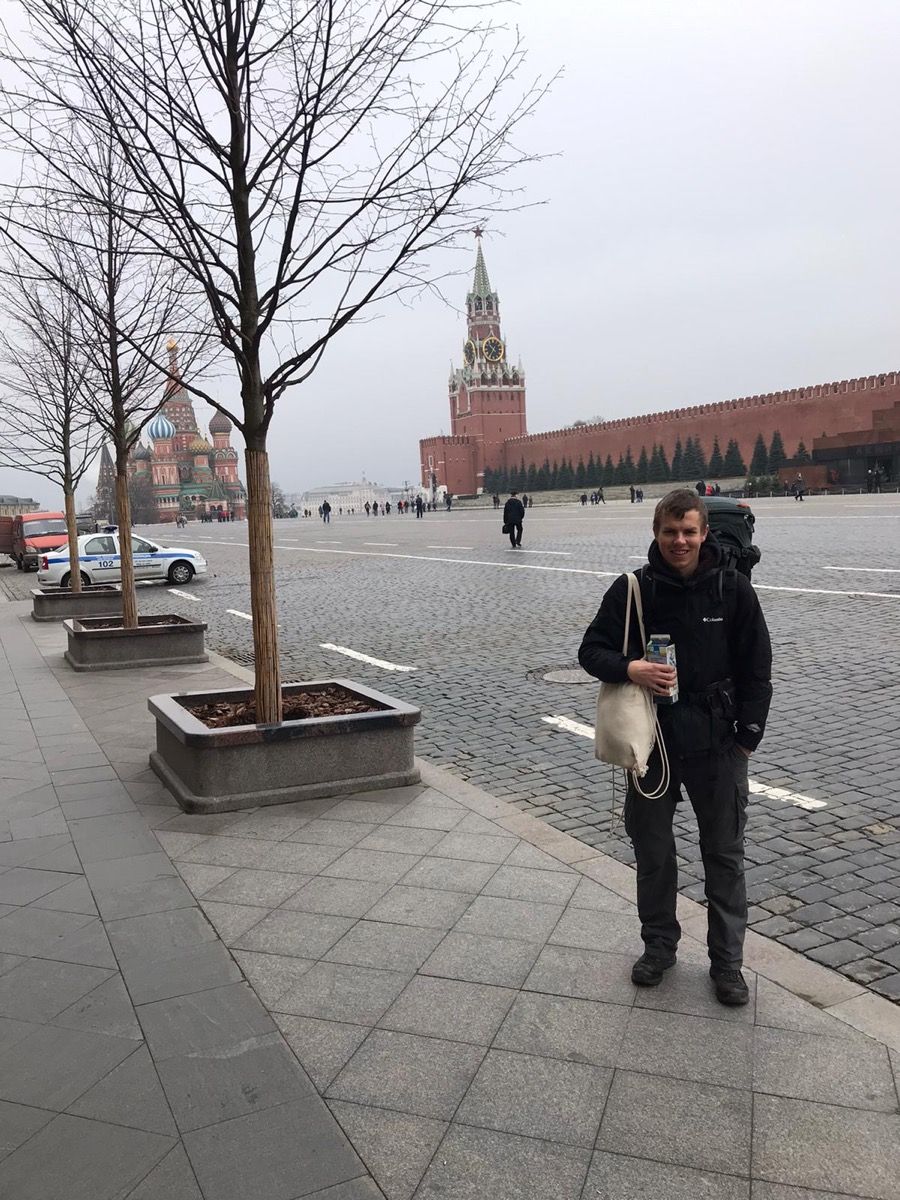
Dropped my planned two nights in Moscow to stay longer in St. Petersburg instead — Corona was starting to show its first real signs, and news came through that arrivals at the Moscow airport were being tested. After a few days of partying pretty hard, walking into that kind of screening at the biggest train station in Russia felt like a risk I didn't need to take. So I waited it out. Two days later, after checking in with locals on the ground, I took the night train to Moscow at 00:11, explored for a few hours, and boarded the Trans-Siberian to Irkutsk at 13:50 that same day.
The Trans-Siberian
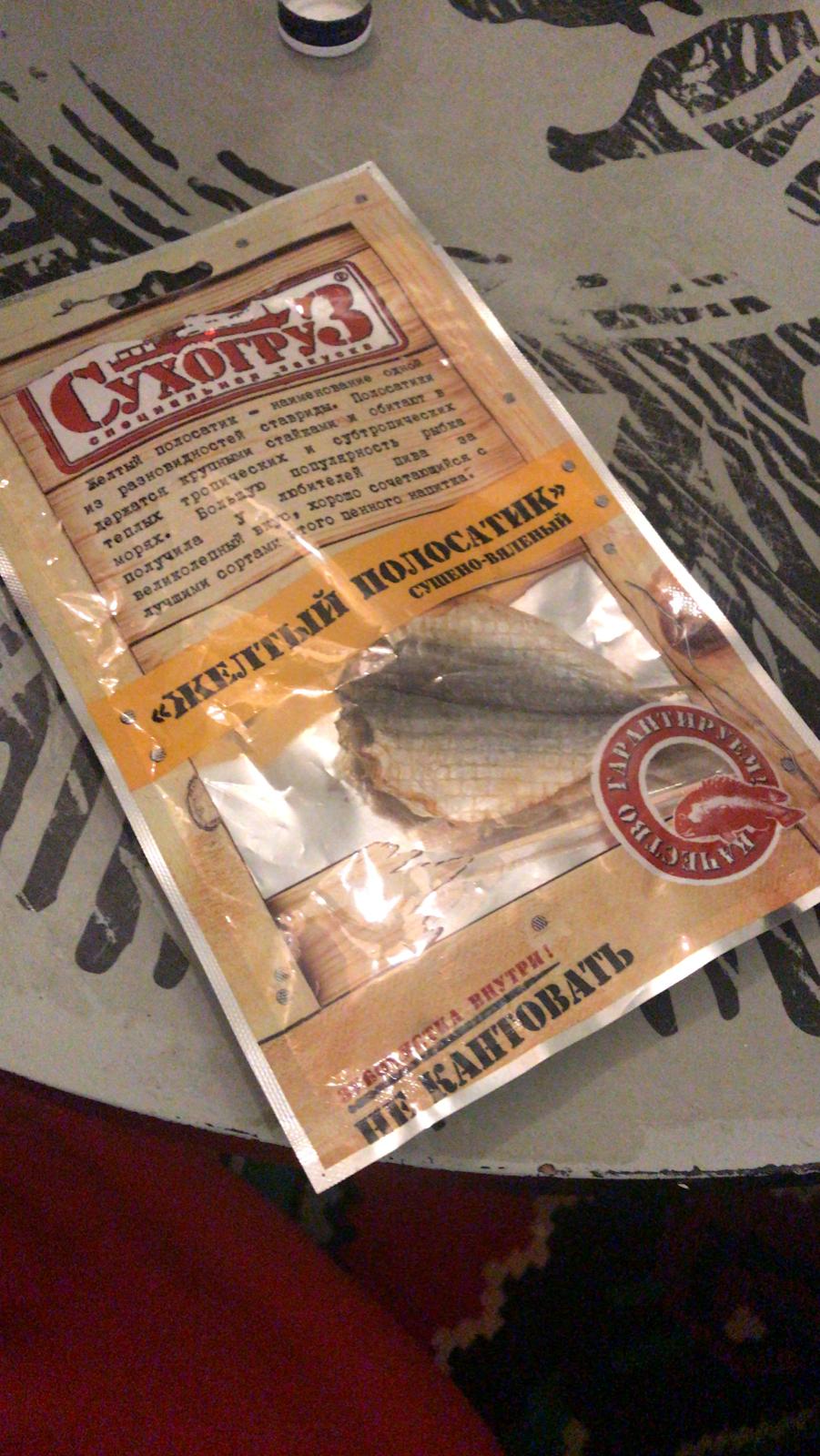
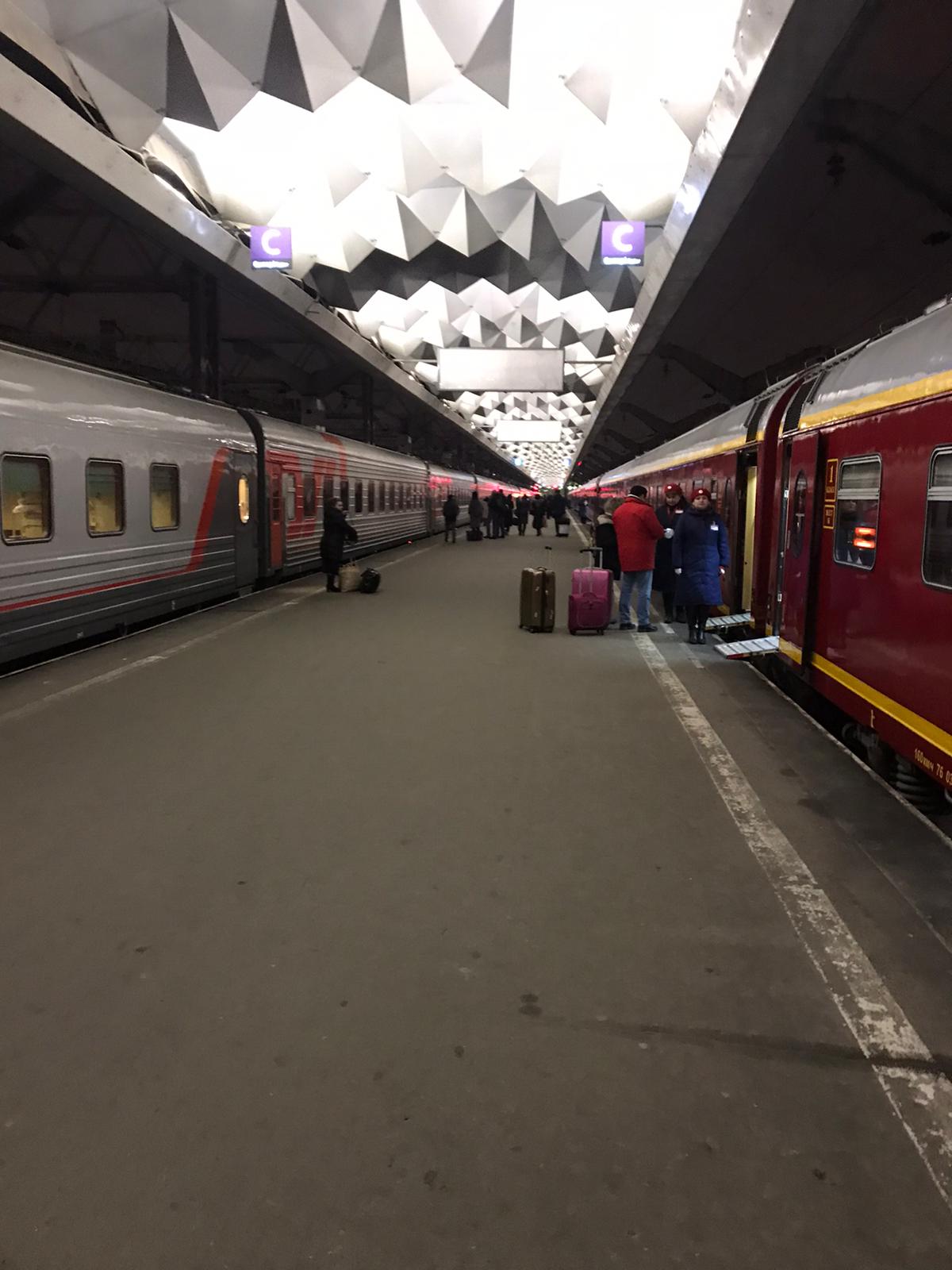
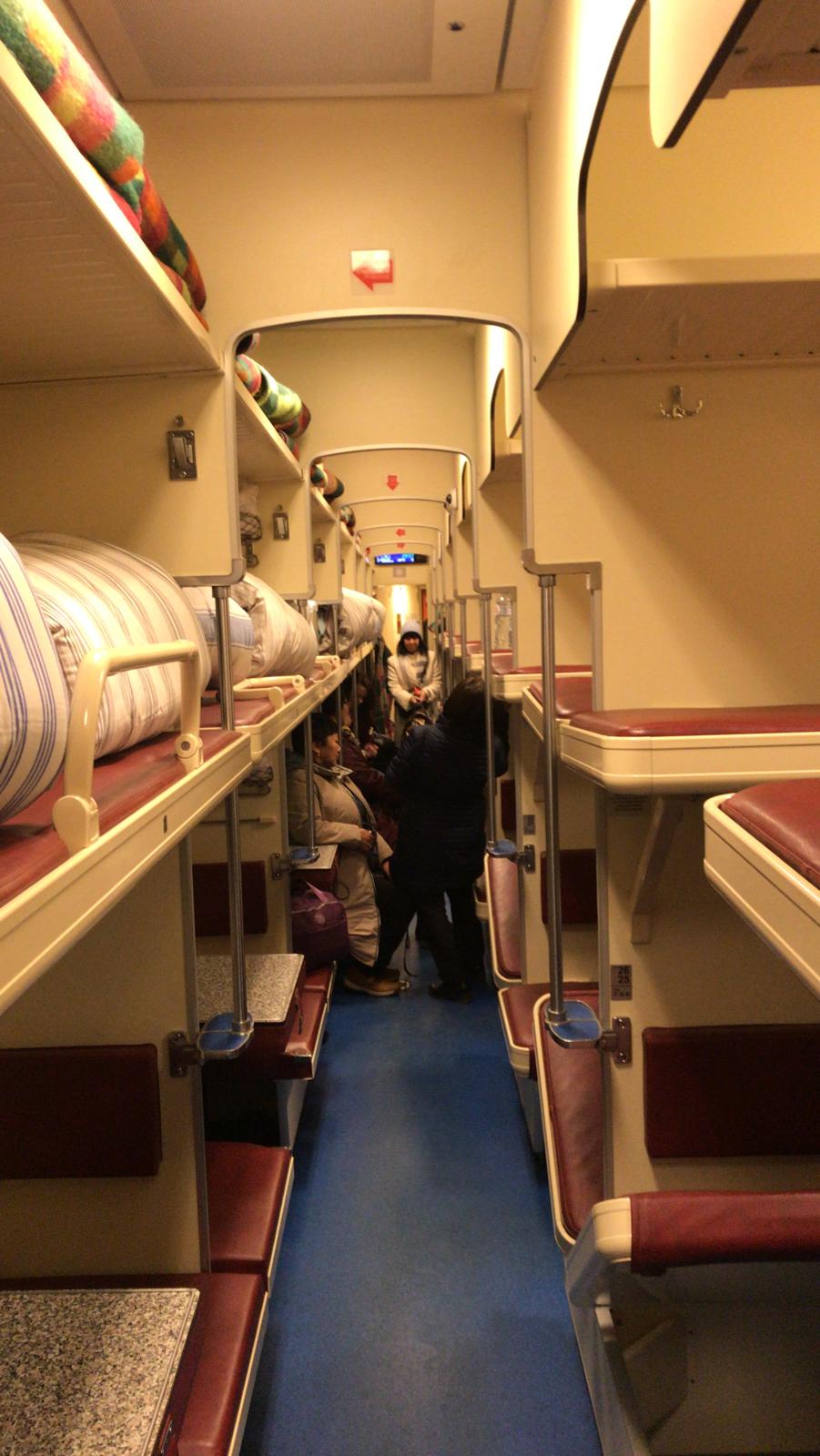
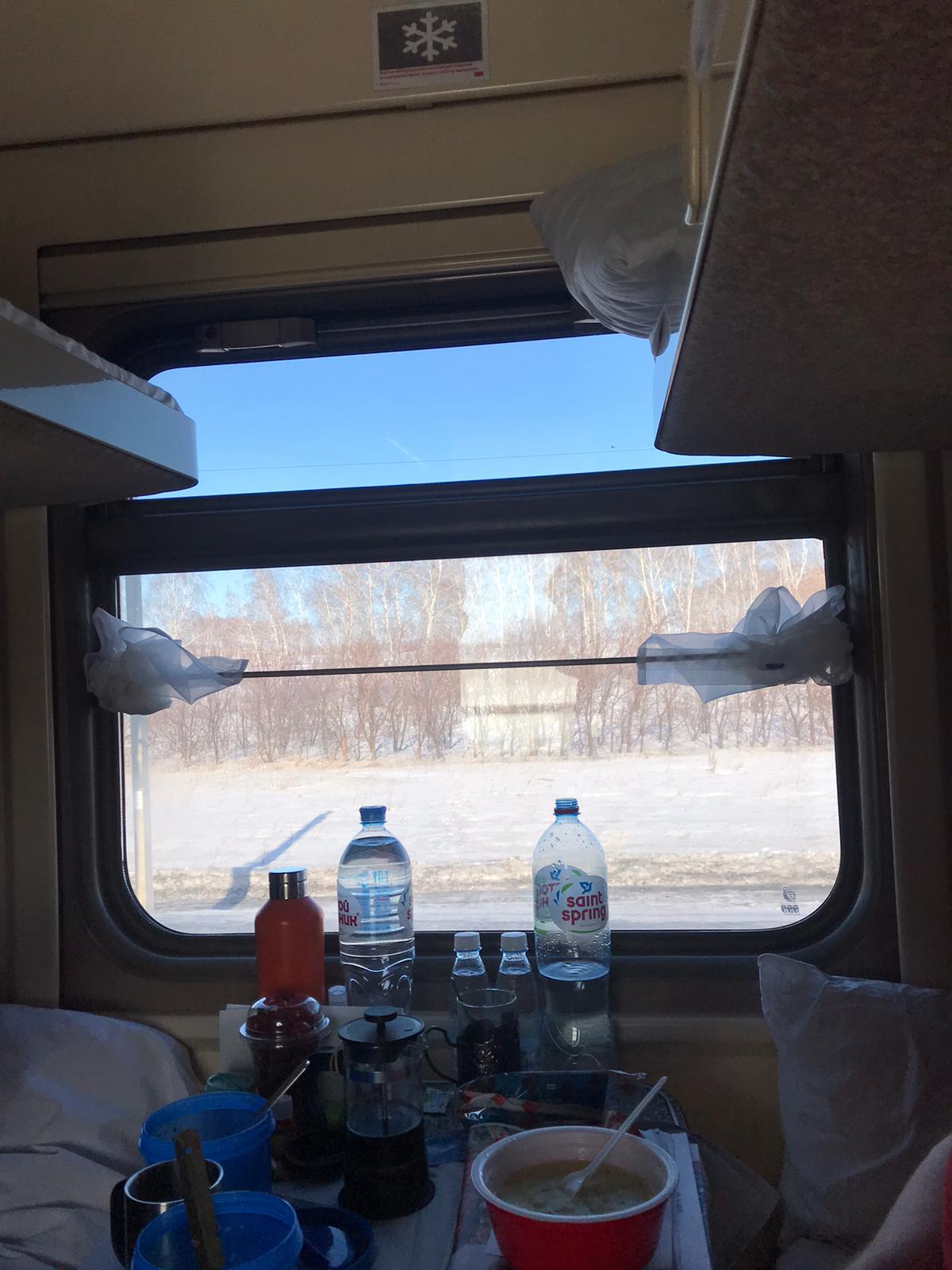
Cheapest class, no tourist train — 3.5 days, 160 euros, the same price as flying. I genuinely never figured out why anyone skips this train ride. First night: two Russians who fell asleep almost immediately and snored like a sawmill, which I've since decided is just part of the Trans-Siberian experience. My bunk's backrest wouldn't stay up; fixed it overnight by contorting myself around the problem. Next morning, someone in the corridor asked 'Deutsche?' I said 'Ja, hier!' — a couple from Stuttgart, same destination. Our fourth bunkmate, Ivan, opened up with 'ah, so he can talk too' — meaning me, since I hadn't said a word to him until that point — then spent the evening teaching us to eat smoked fish with the innards still in, handing out dried fish and pistachios. He didn't drink, though he smoked plenty — we never quite worked out if he was actually Russian. That's hospitality for you. We eventually fixed the backrest properly with two rubber bands and a carabiner.
What do Germans do for 3.5 days on a train? Look out the window, watch shows, text people. What does a Russian do? Sleep — except at the 20-minute stops, which exist for smoking. At one of them, somewhere in the middle of nowhere: full LTE signal, women selling smoked fish off coat hangers, people cutting across the tracks, Apple Pay at the kiosk. Contrasts, all the way down. Ivan got off the next morning and we missed him more than made sense for two days' acquaintance. His replacement, Alexander, did his Sudoku, slept, then offered us some of his very strong alcohol in the evening. No shower for four days. Worth every minute.
Lake Baikal
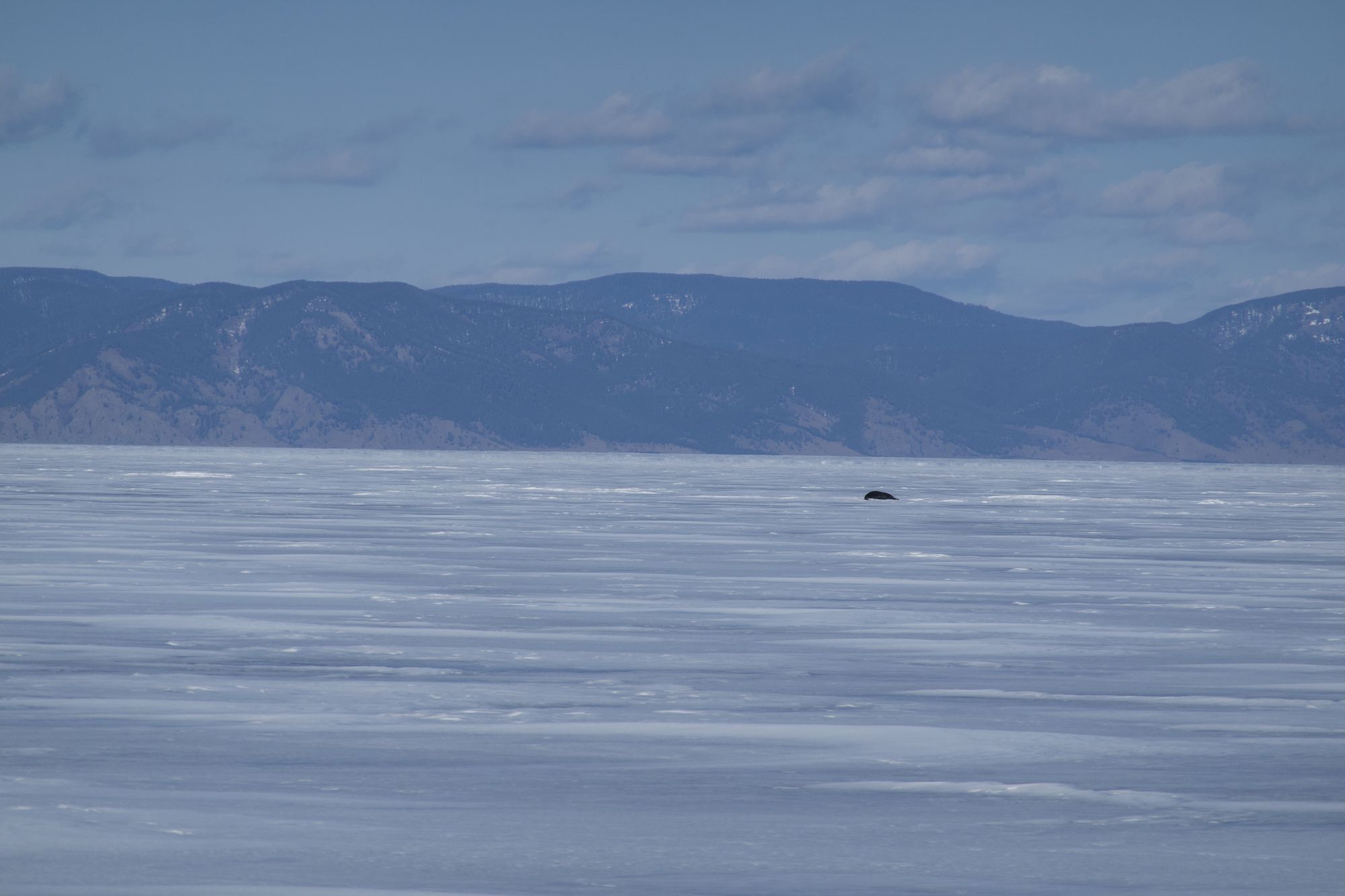
Couldn't find the right bus, so: a taxi, 16.50 euros for an hour, driven like a slalom run through every pothole, plus a half-drift around an icy corner and a brief, unplanned police stop resolved by showing a piece of paper. Then: a shower, finally — and the lake. Frozen solid, silent, exactly as advertised. Lunch at the fish market. An hour of rented snowmobile time that turned into two, through the forest, with a few moments where we genuinely weren't sure if we'd gotten them stuck. The next day: a viewpoint in the morning, then two hours on a hoverboat looking for seals — found two, sunbathing, under a clear blue sky. We spent the evening just watching the sunset, half-aware that the next day would be the hard one.
17 March 2020
Woke up at Baikal after a bad night's sleep and read three things in quick succession: Myanmar now threatening mandatory state quarantine for arrivals from Germany; Russia suspending all passenger flights from the 18th; borders closing more or less everywhere. I had a flight to Myanmar booked via Bangkok, bought when the situation still looked manageable. By noon I was at Irkutsk airport with no idea where I was actually going. Tried to switch to a flight to Helsinki — my plan was to wait it out there — couldn't book it myself, card kept getting declined, and within a couple of hours that option closed anyway: Finland's border could go any moment. First real dead end. Two choices left — fly to Moscow and gamble on a Helsinki ticket once I landed, or take the Myanmar flight via Bangkok as originally planned. Went with Bangkok. At the gate, an official took my passport away for a phone call. Two Austrians next to me were waiting on the same thing. Theirs came back clean. Mine came back a few minutes later, also fine. I boarded with two hours to spare.
Bangkok and Thailand
Landed in Bangkok just after midnight on the 18th, straight to a hotel. Entry was easy — no surveillance app, no real temperature screening, despite what the foreign ministry's website had warned. Flew south to Krabi the next morning without having planned anything about Thailand at all, because there hadn't been time to plan anything. The idea was to find somewhere to wait it out. It didn't work. Locals wore masks more visibly every day; tourists didn't, and wearing one myself would have meant losing the only social contact I had left. A German guy I met through an app, who'd grown up in Thailand, drove me back to the airport on his scooter — first time I'd ever ridden one, now doing it without a helmet, 23kg backpack on my back, highway speed. We checked every option. None of them were good.
Dropping my bag at a new hostel, they told me it had four days left before closing. By the time I'd properly checked in a couple of hours later, that was down to two. Then rumours started about a health certificate required to leave the country, and my dad and I had our first real disagreement of the whole trip — both working from different information, both stretched thin trying to fix the same problem from opposite sides of the planet. He'd read that I'd need a health certificate to leave Thailand. I'd read that it only applied to people entering without Thai citizenship or a proper reason to stay.
The last flight
The situation had changed enough that I had to admit Thailand was a dead end for me. Economy was booked solid until the 30th; an upgrade would have cost roughly 3,000 euros. So: a standby seat on a direct Bangkok–Frankfurt flight on the 23rd was my only option. I got to the airport the next morning and was fourth on the list. Told to check back at 8:50am, then 11:40, then again at 11:50 because I couldn't stand waiting any longer. Told to wait some more. And then — a seat. Bag checked, through security at a run, boarded at 12:30 for a 12:40 departure. Ten hours, three films, one short nap, and I landed in Germany.
Unfinished
Four weeks. Cologne to Irkutsk by land, then Bangkok, then home, on a trip I'd planned to take a year. Not how I imagined it — but stopping somewhere easier, back in Russia, would have felt like giving up too soon, and that's not really how I operate. I learned more in those four weeks than I expected to learn in four months. The plan to finish this one day still stands.