From late June to early October 2024, I travelled through Ecuador, Peru, and Bolivia. Three months, three countries, and a continent that completely changed how I think about what people need to be happy.
Arriving in Ecuador
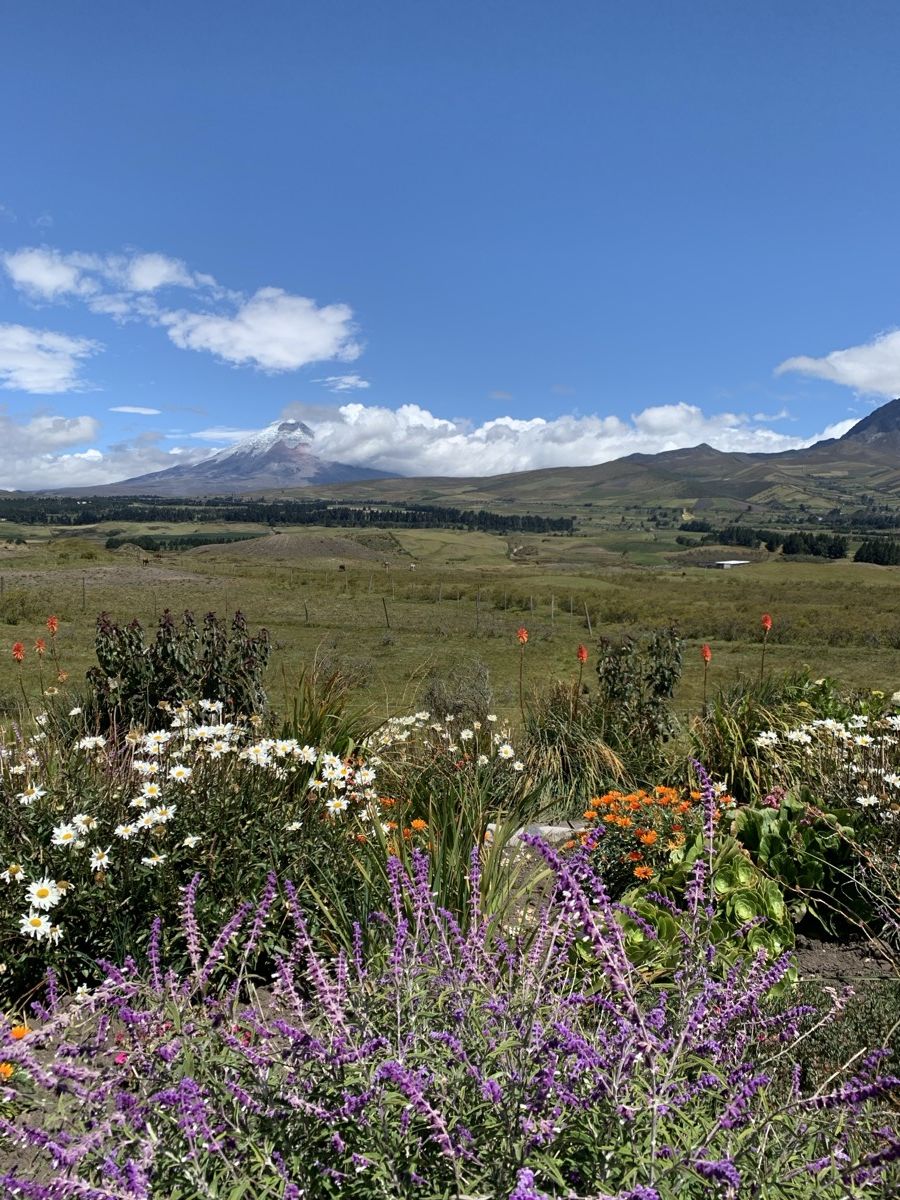
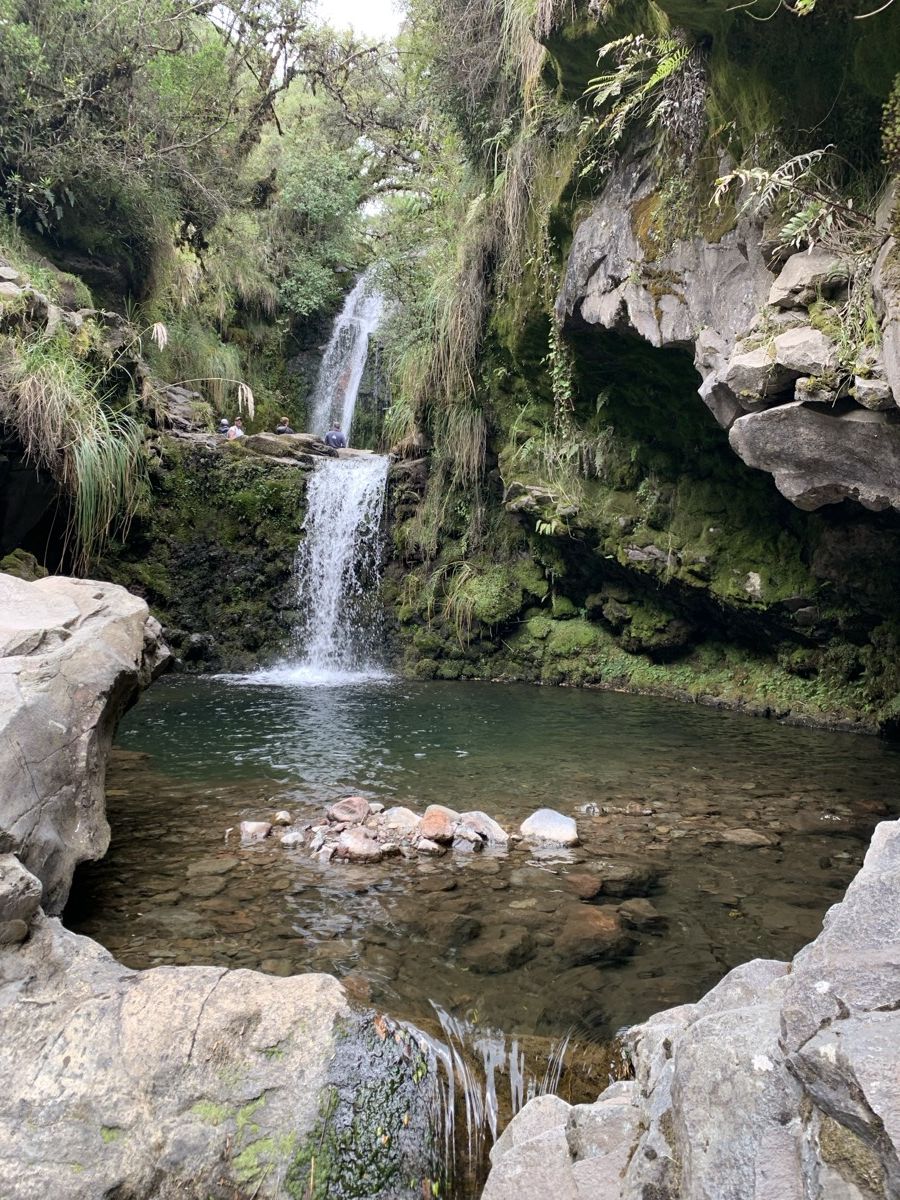
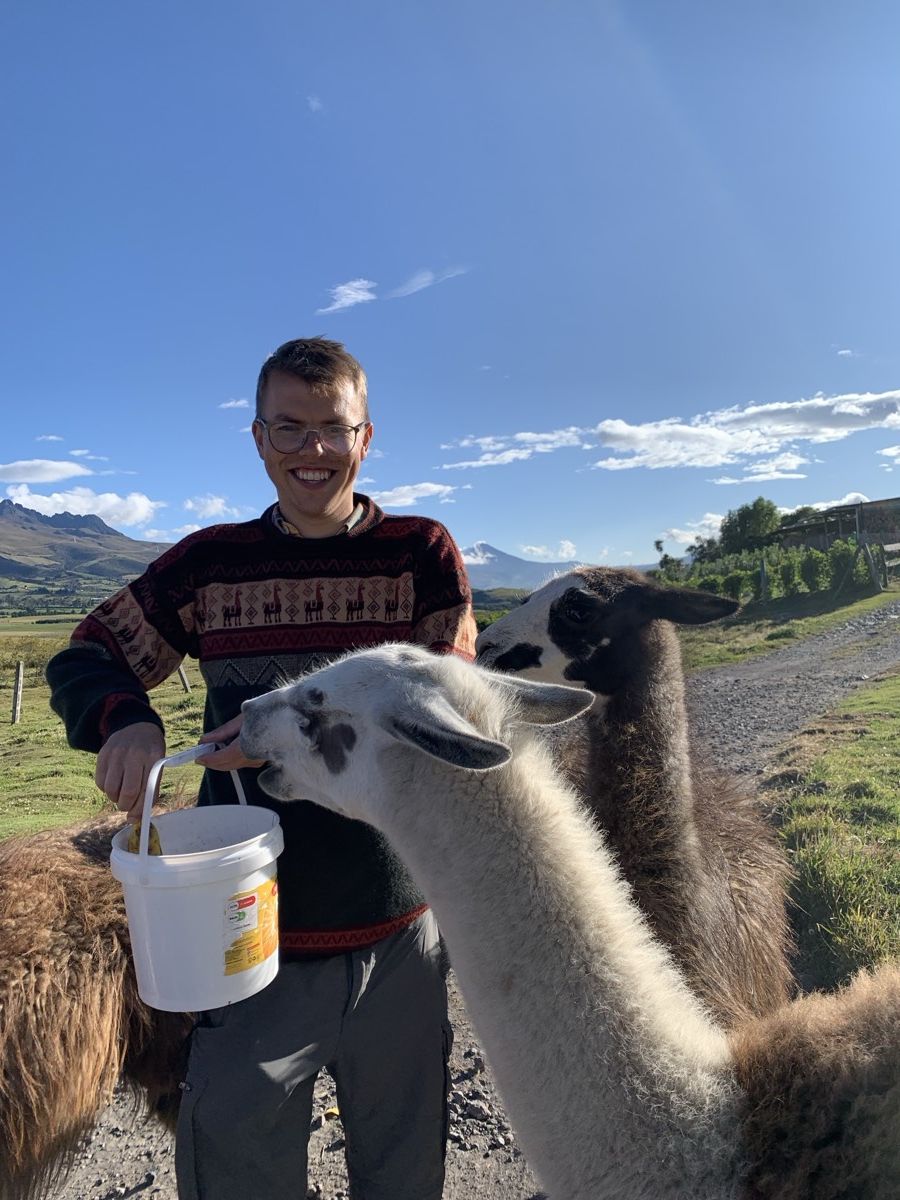
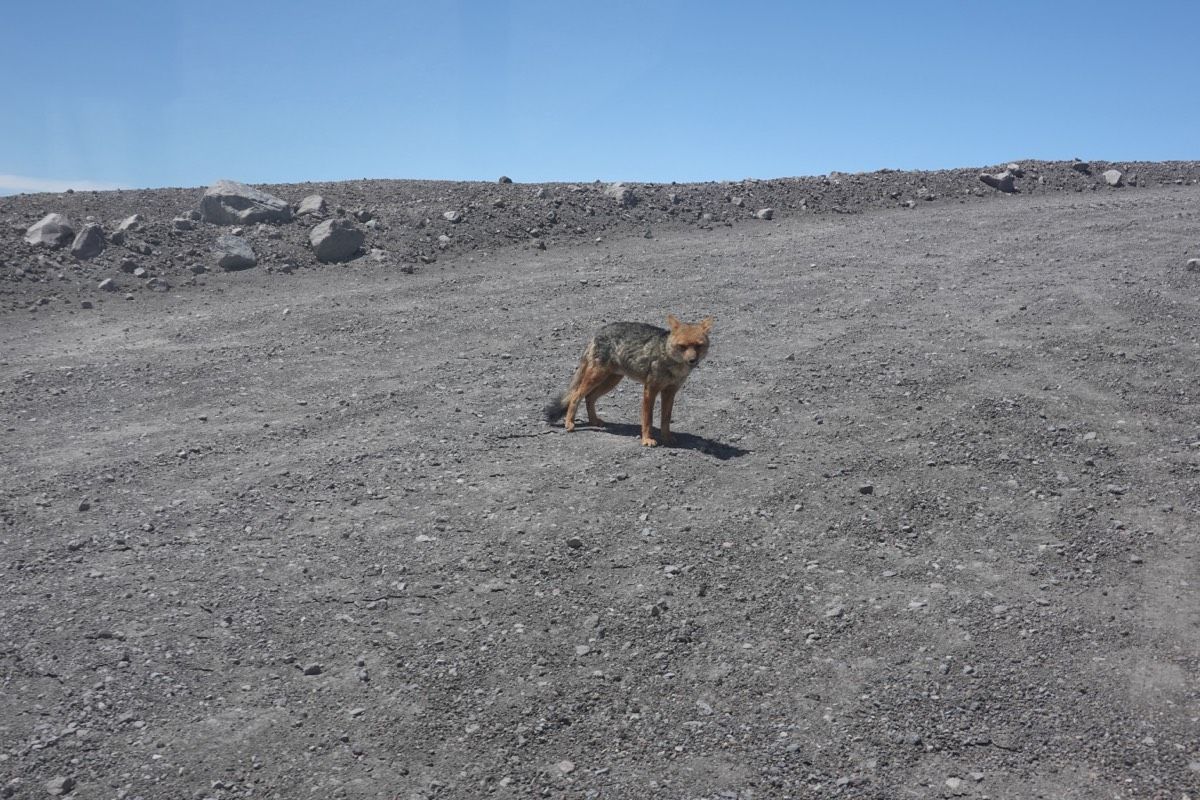
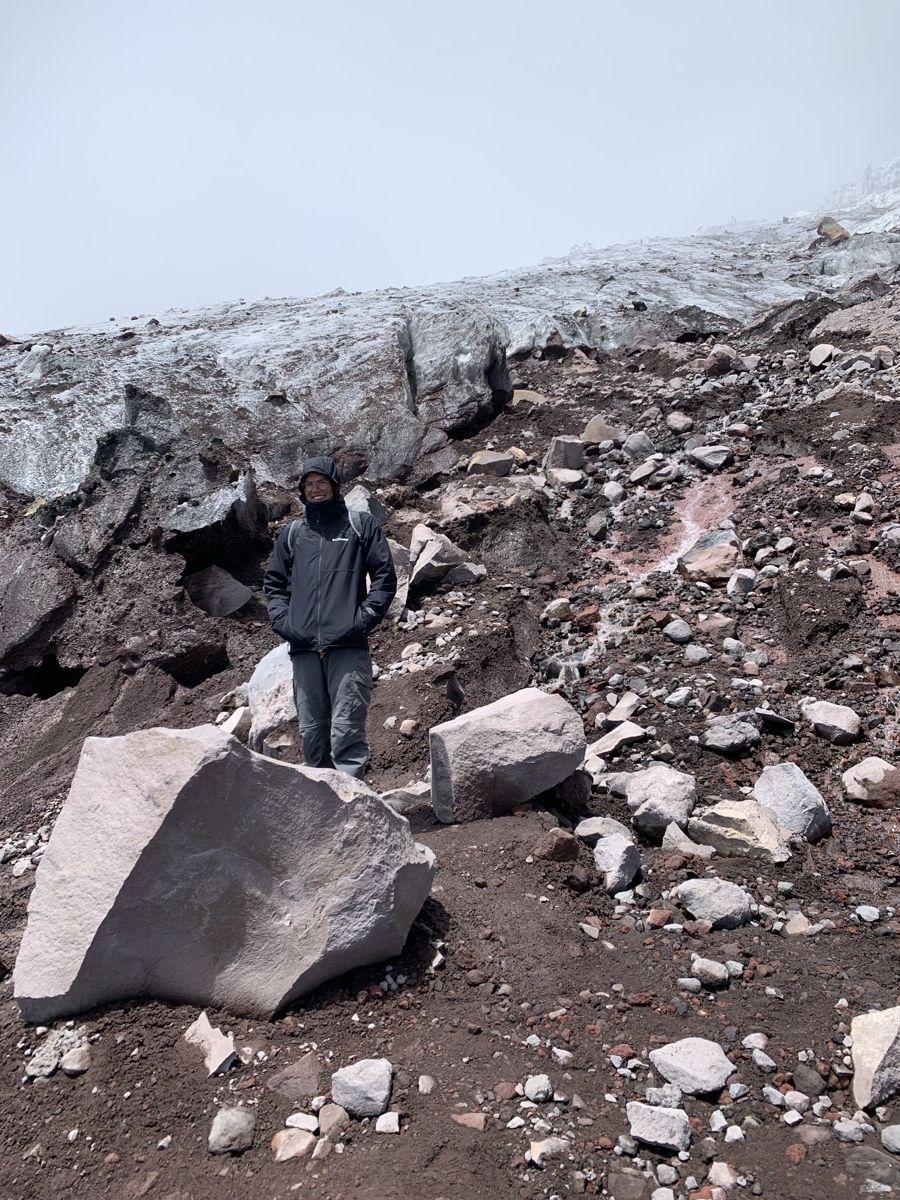
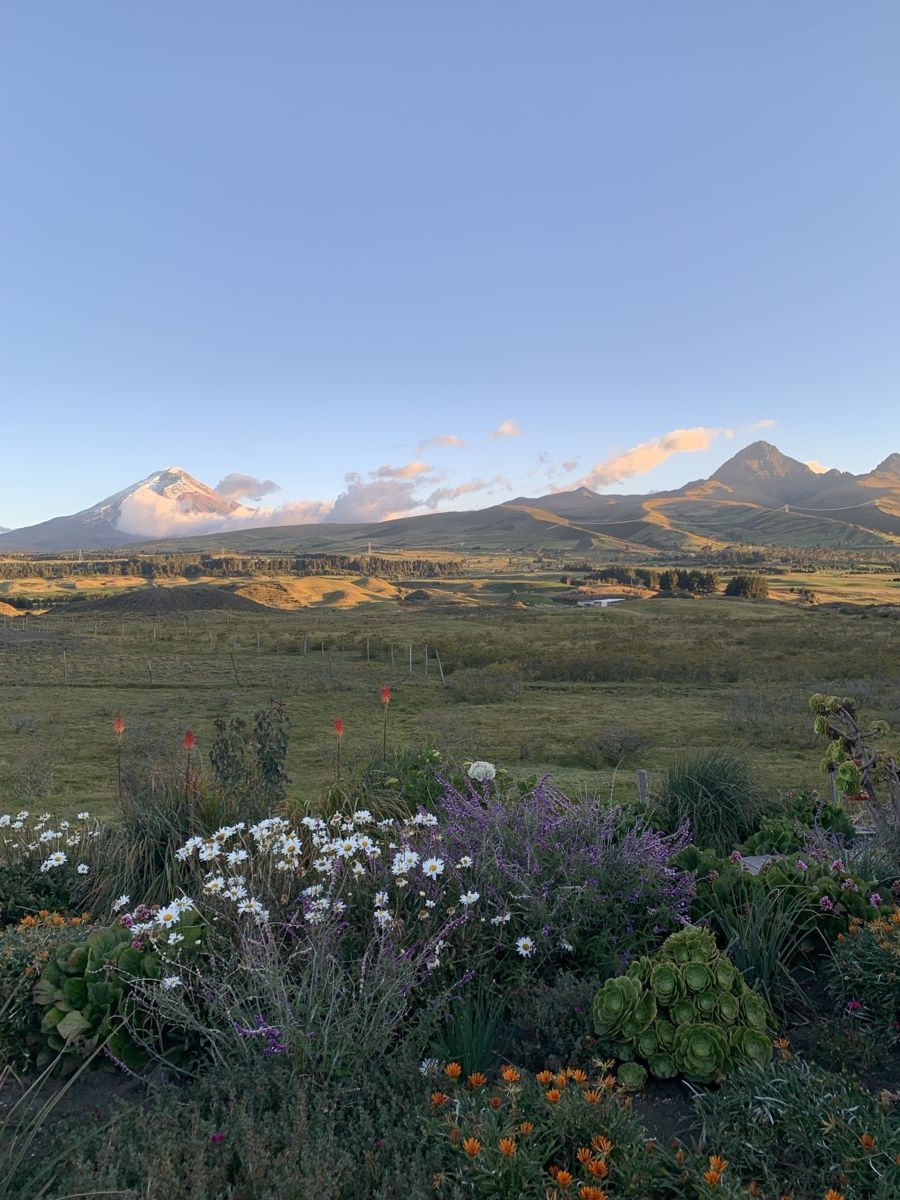
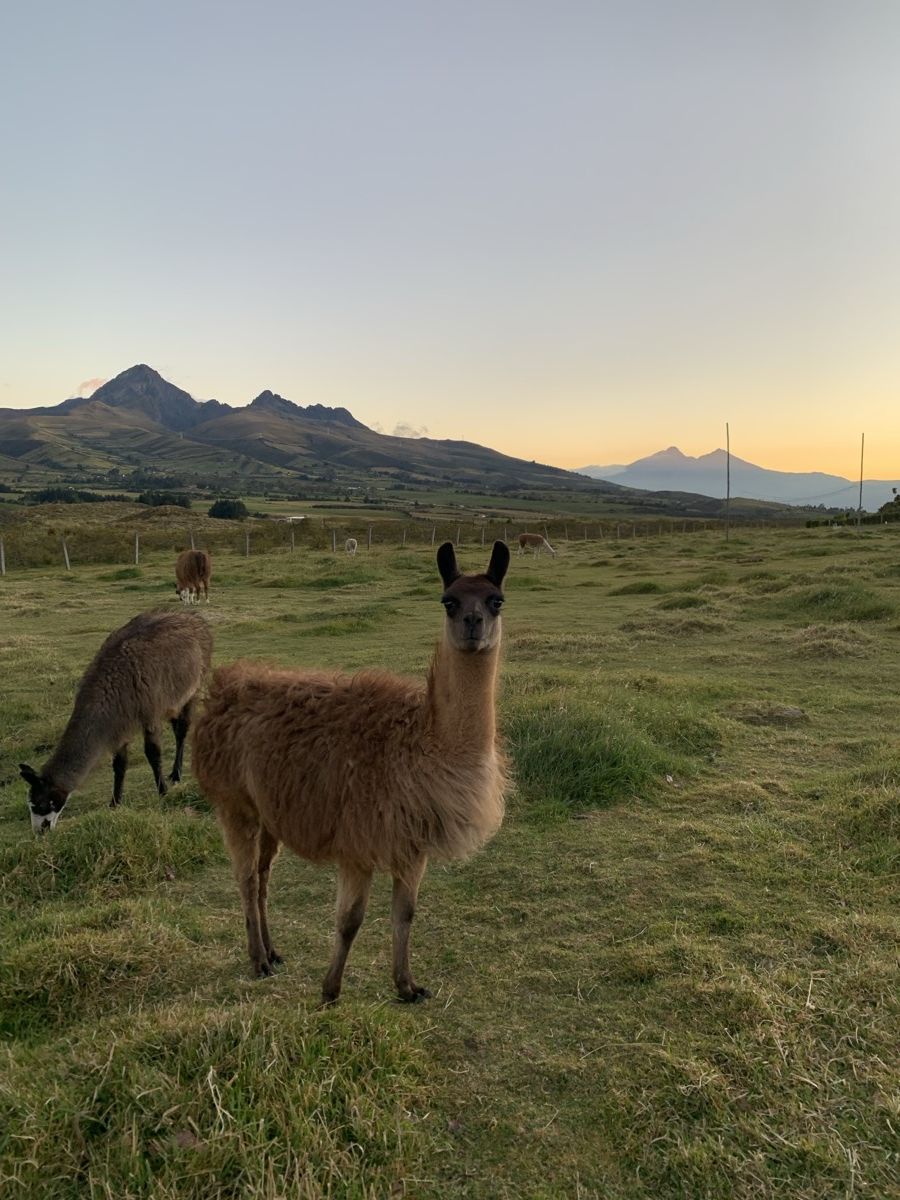
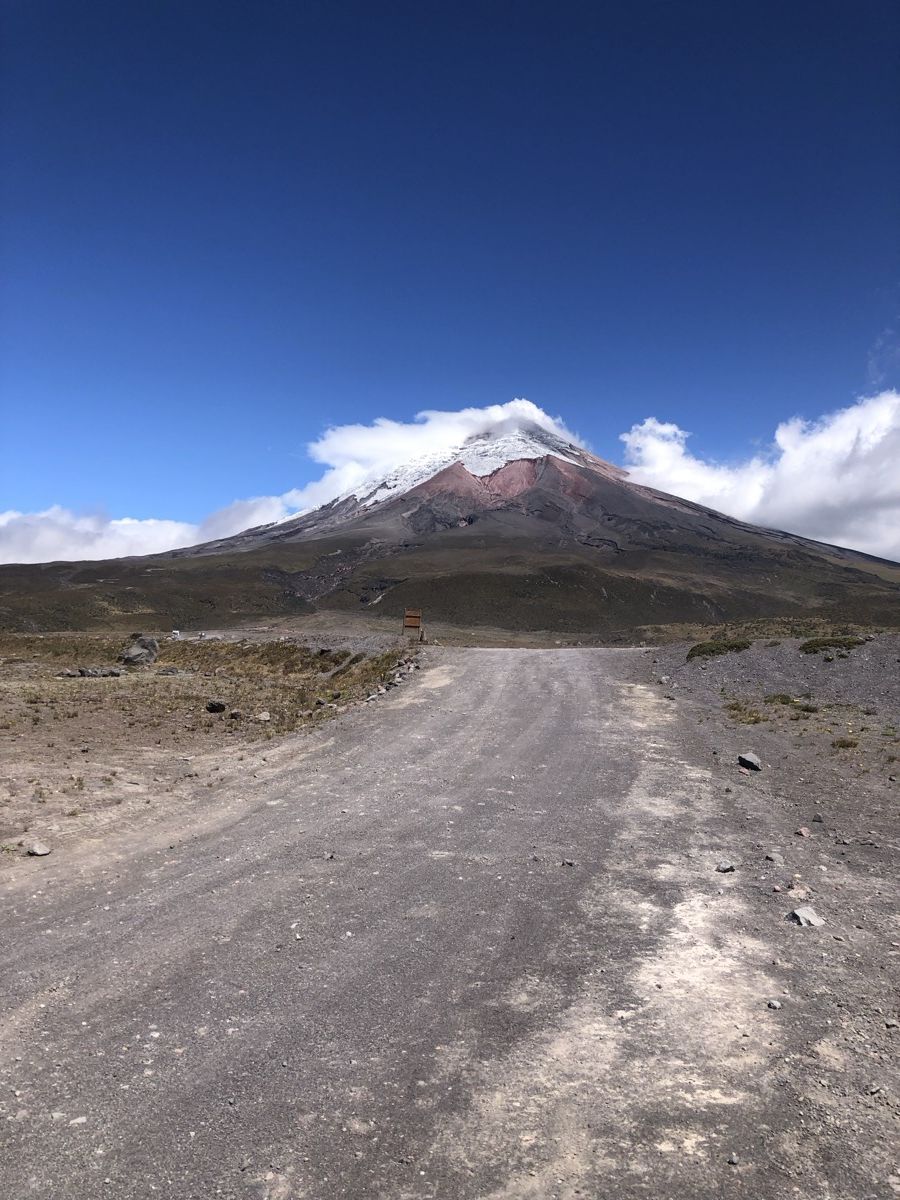
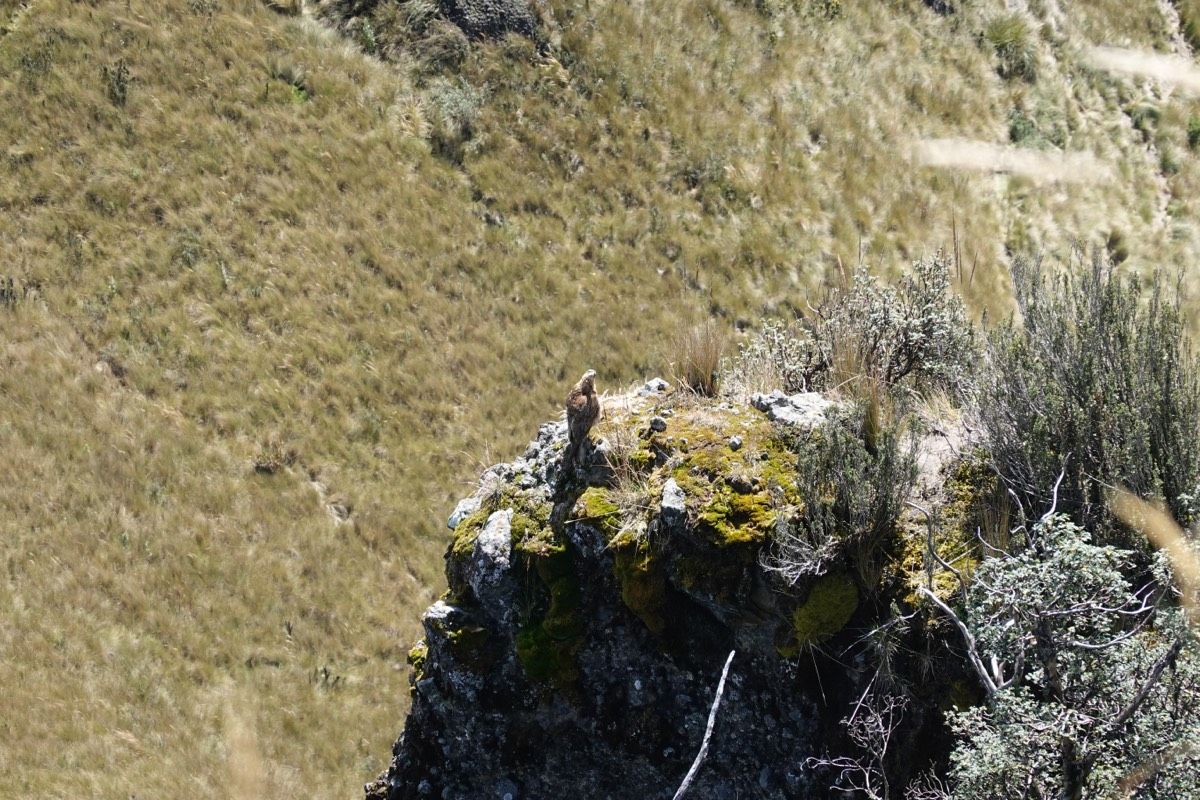
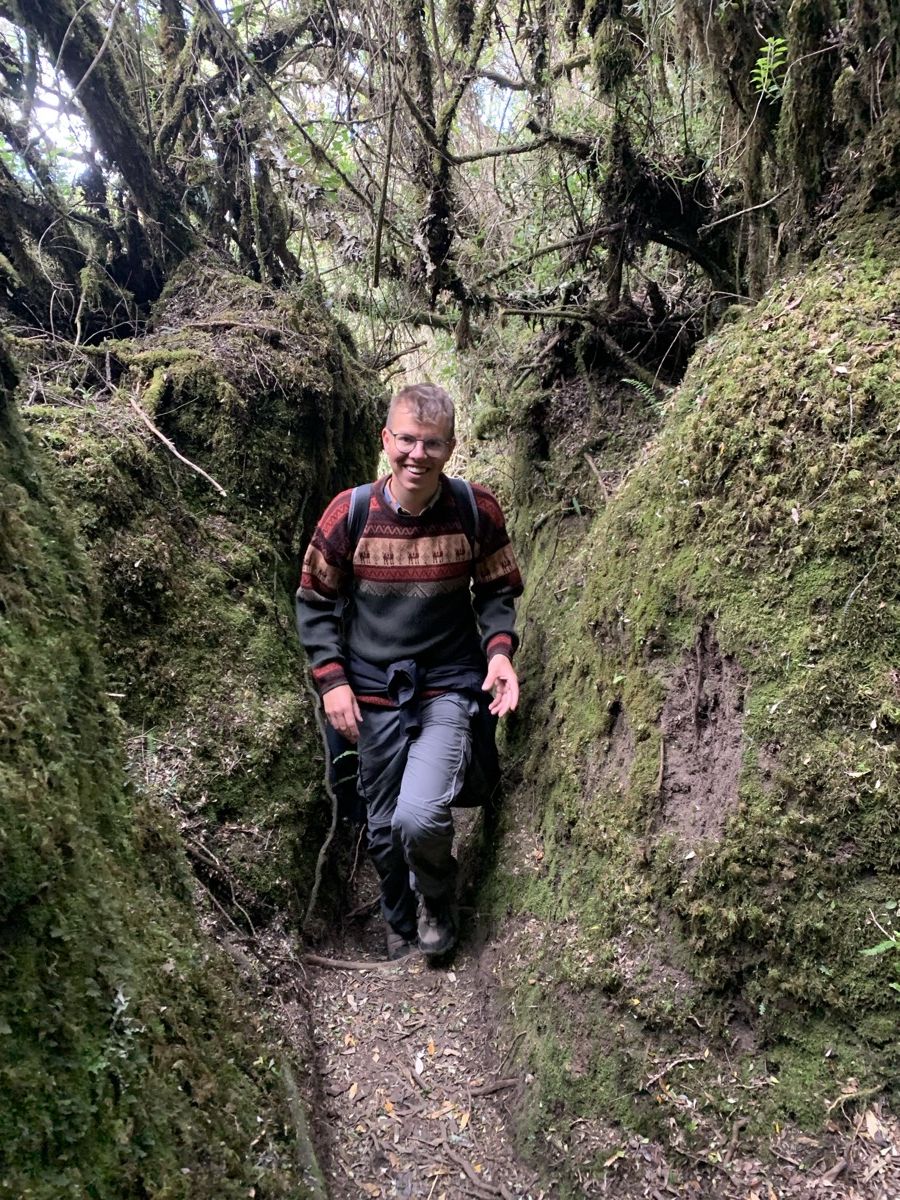
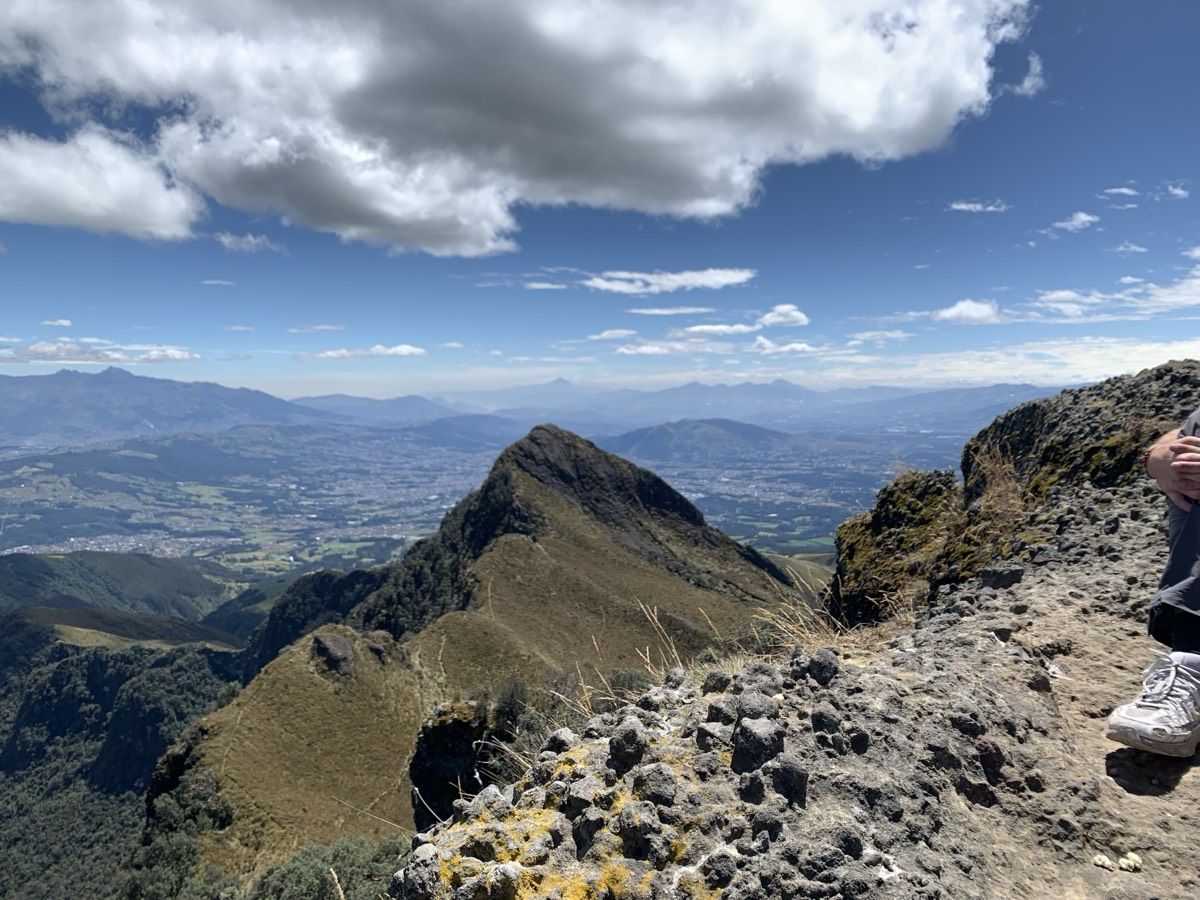
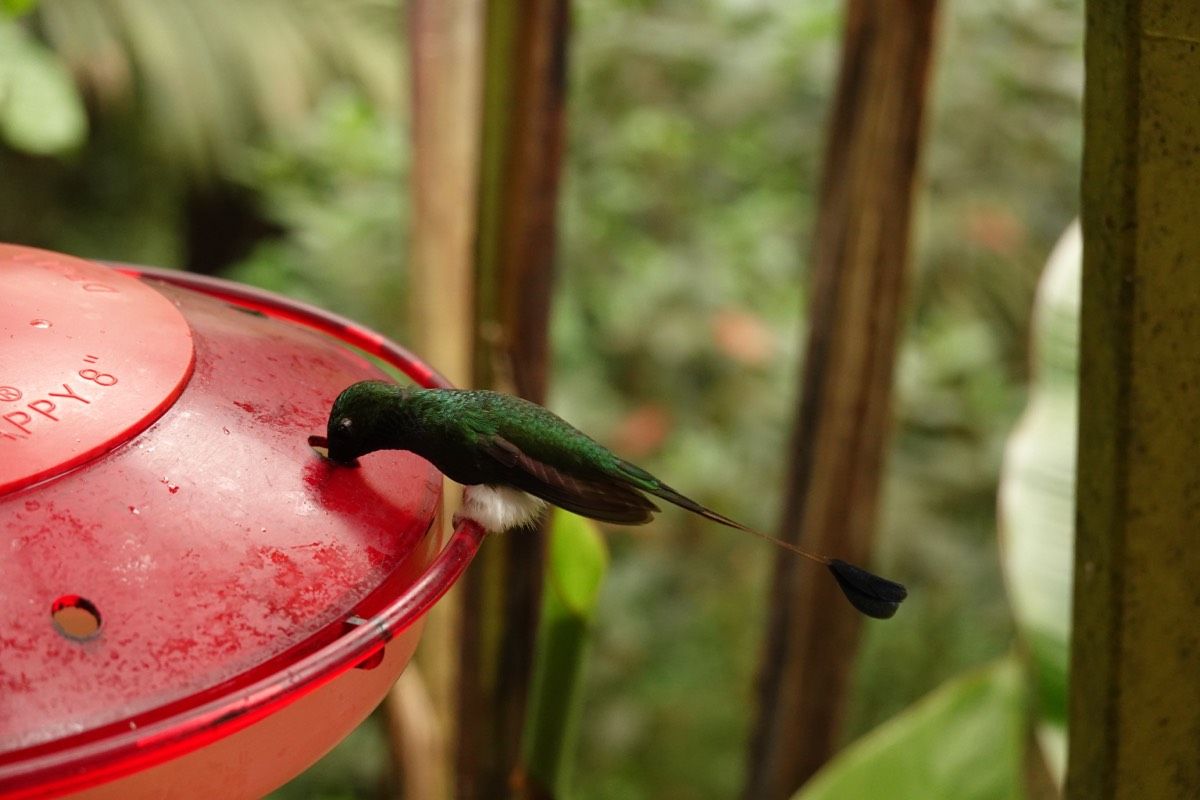
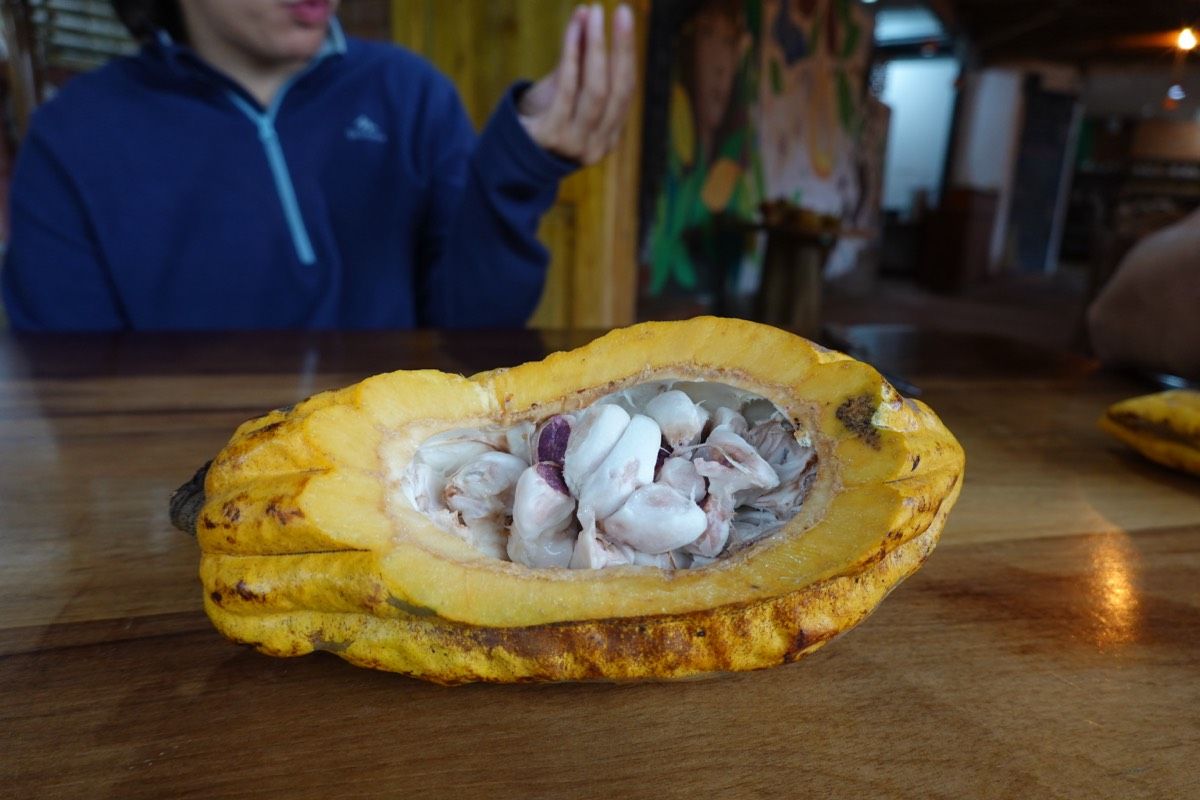
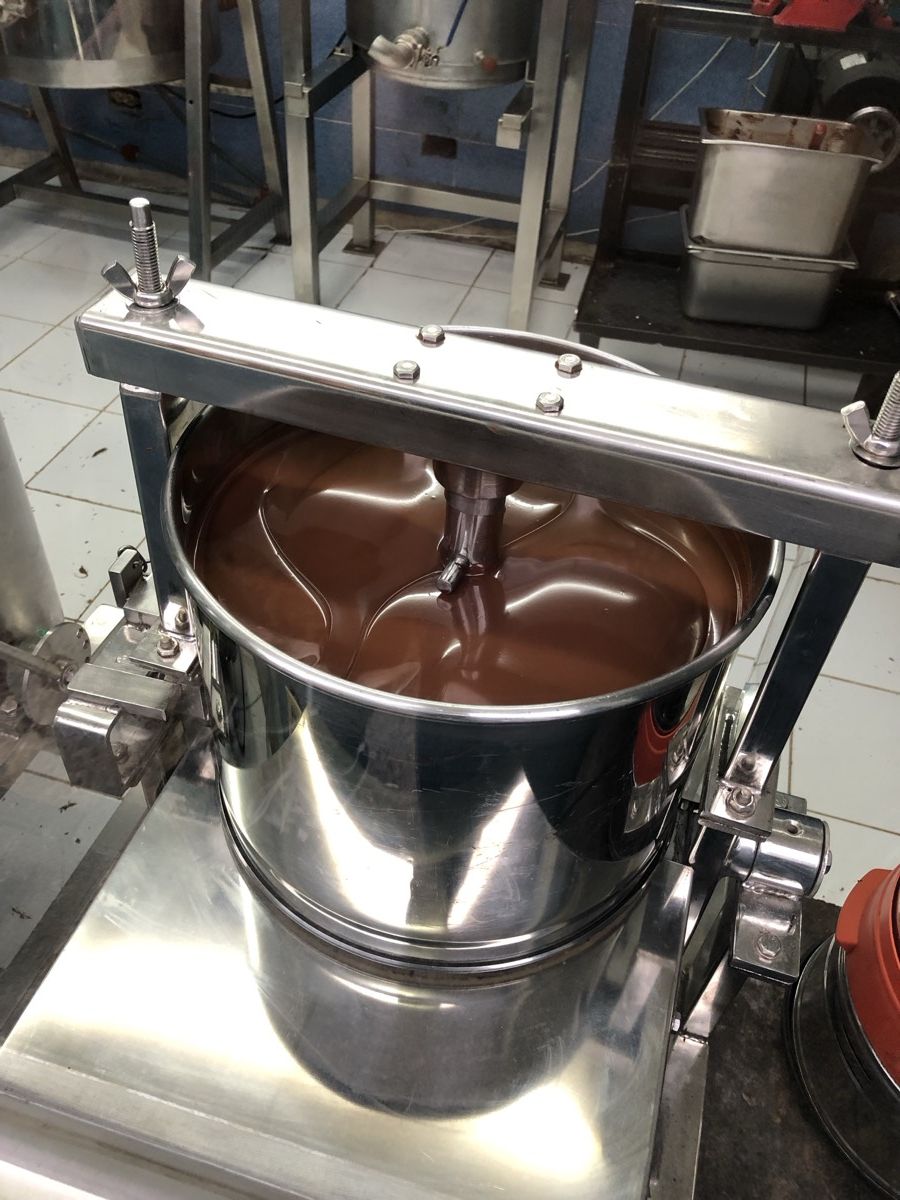
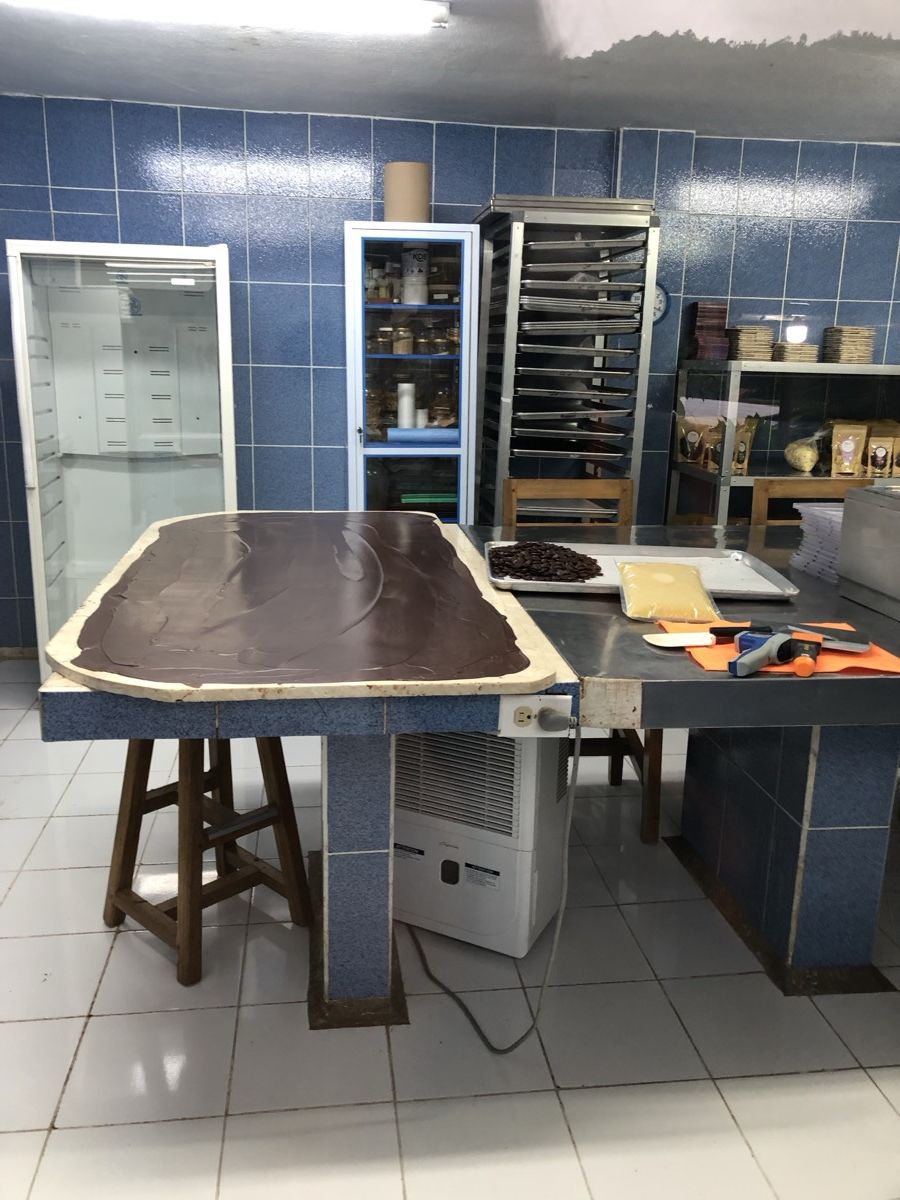
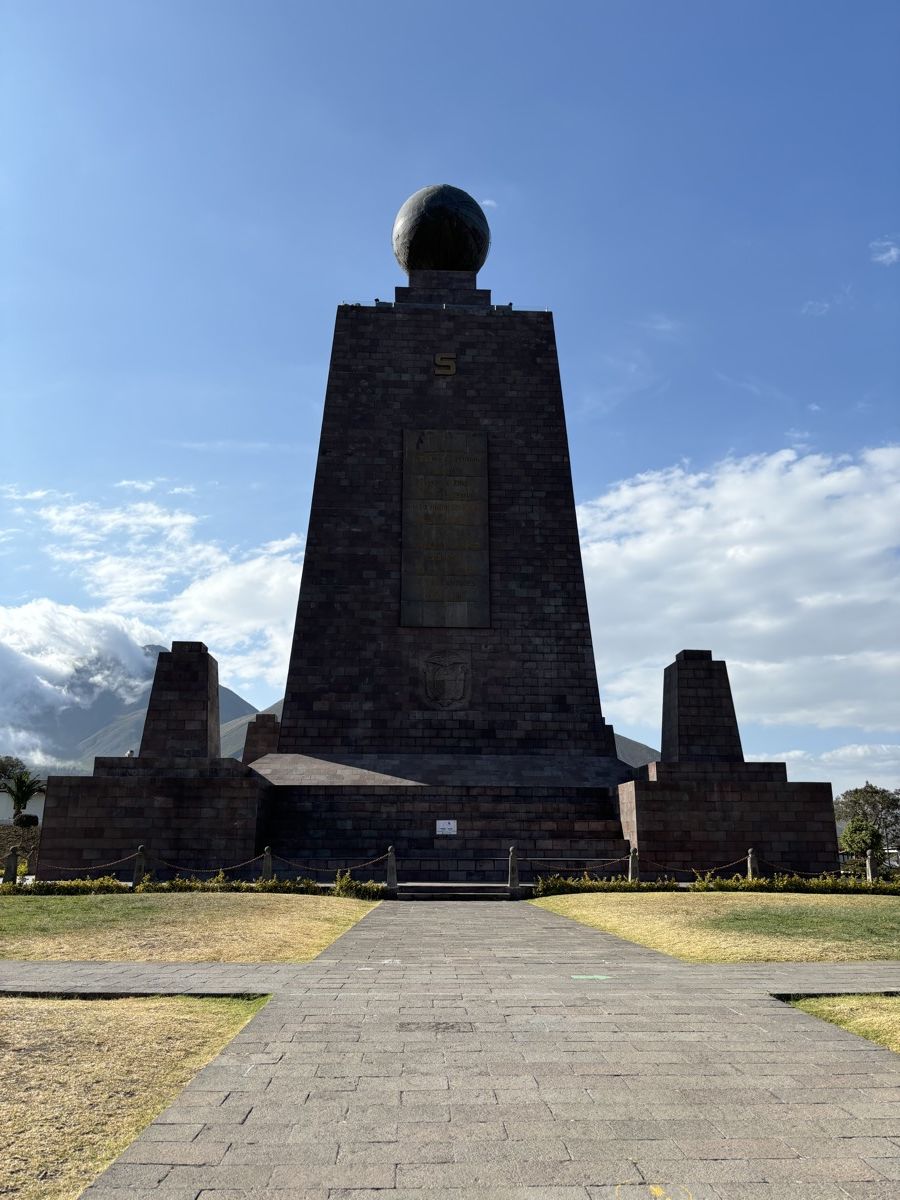
I arrived in Quito on July 25th. From there we headed south to Parque Nacional Cotopaxi for a couple of nights — day hikes around the volcano. Then north into the Mindo Valley cloud forests where we visited a small family-run cacao farm. The gap between raw cacao and what ends up as chocolate in a European supermarket is enormous. One of those things you can’t unlearn.
The coast
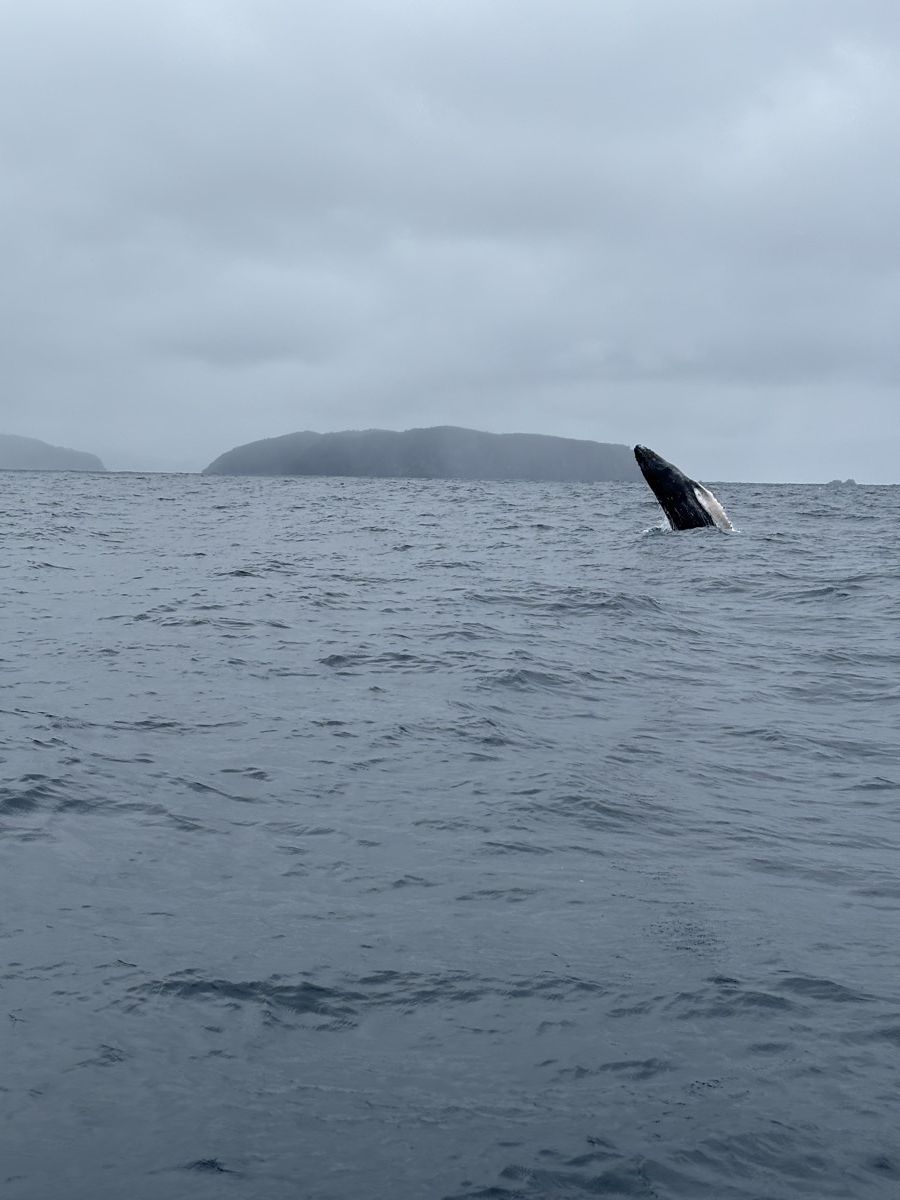
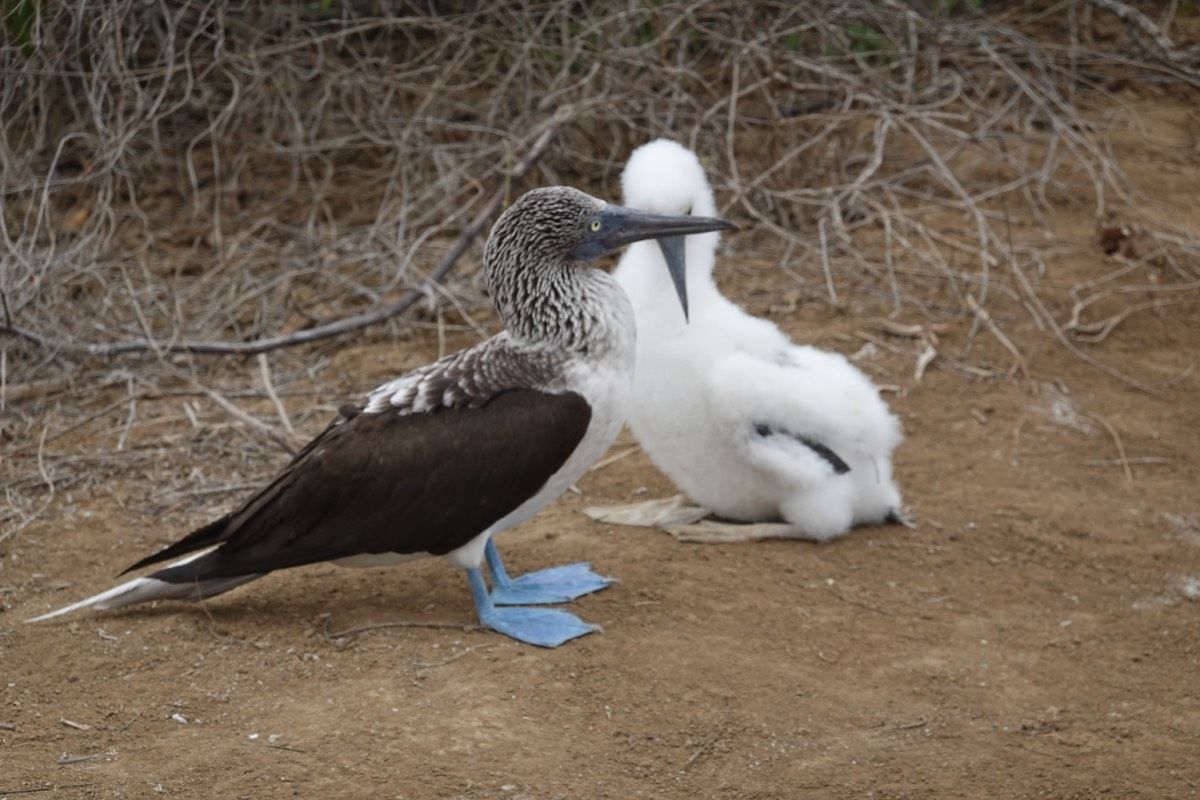
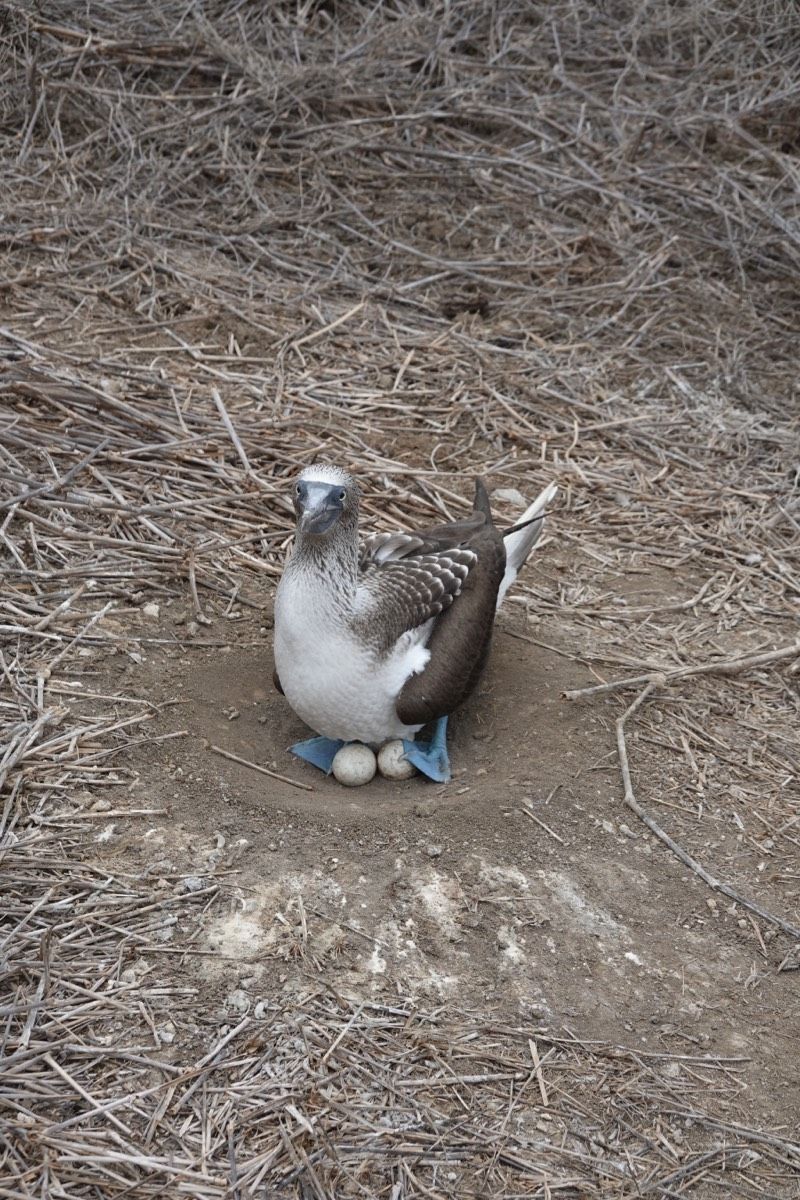
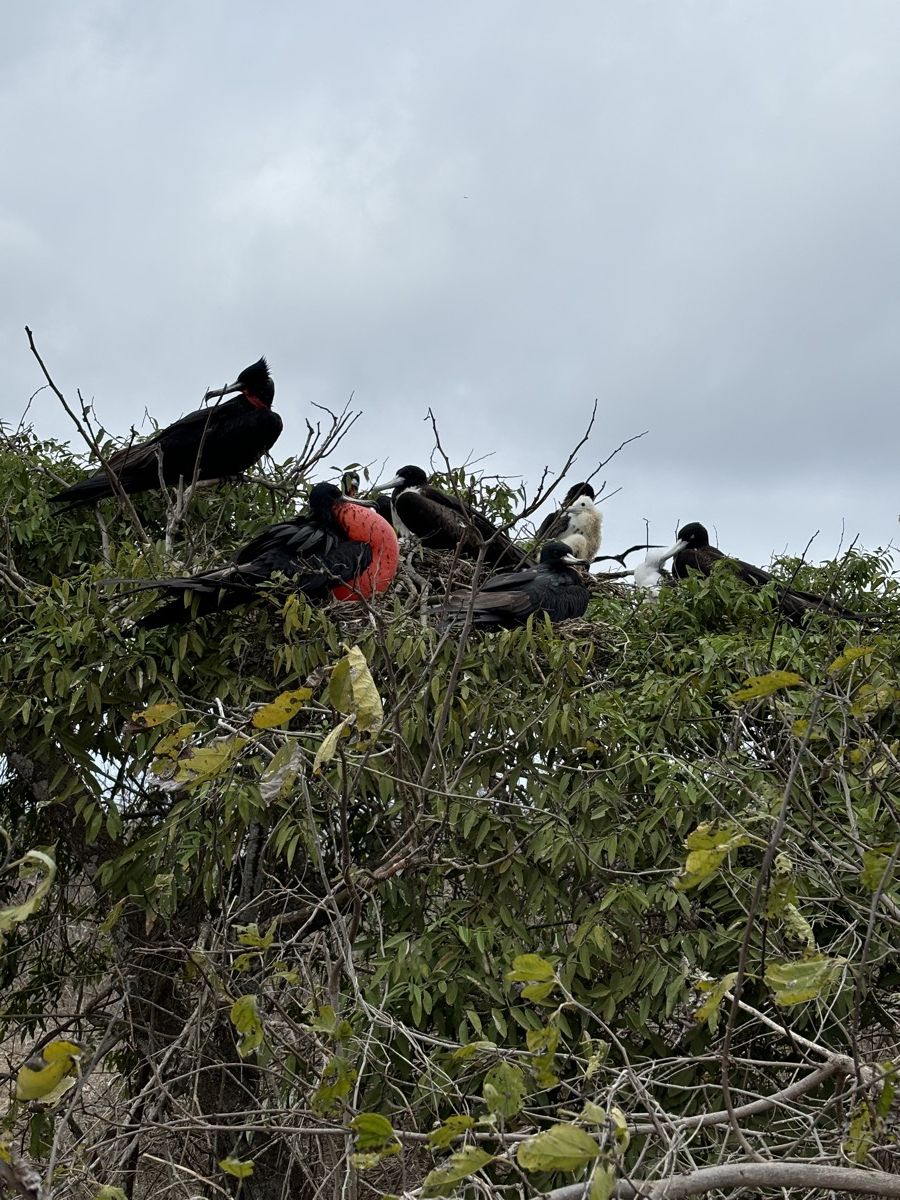
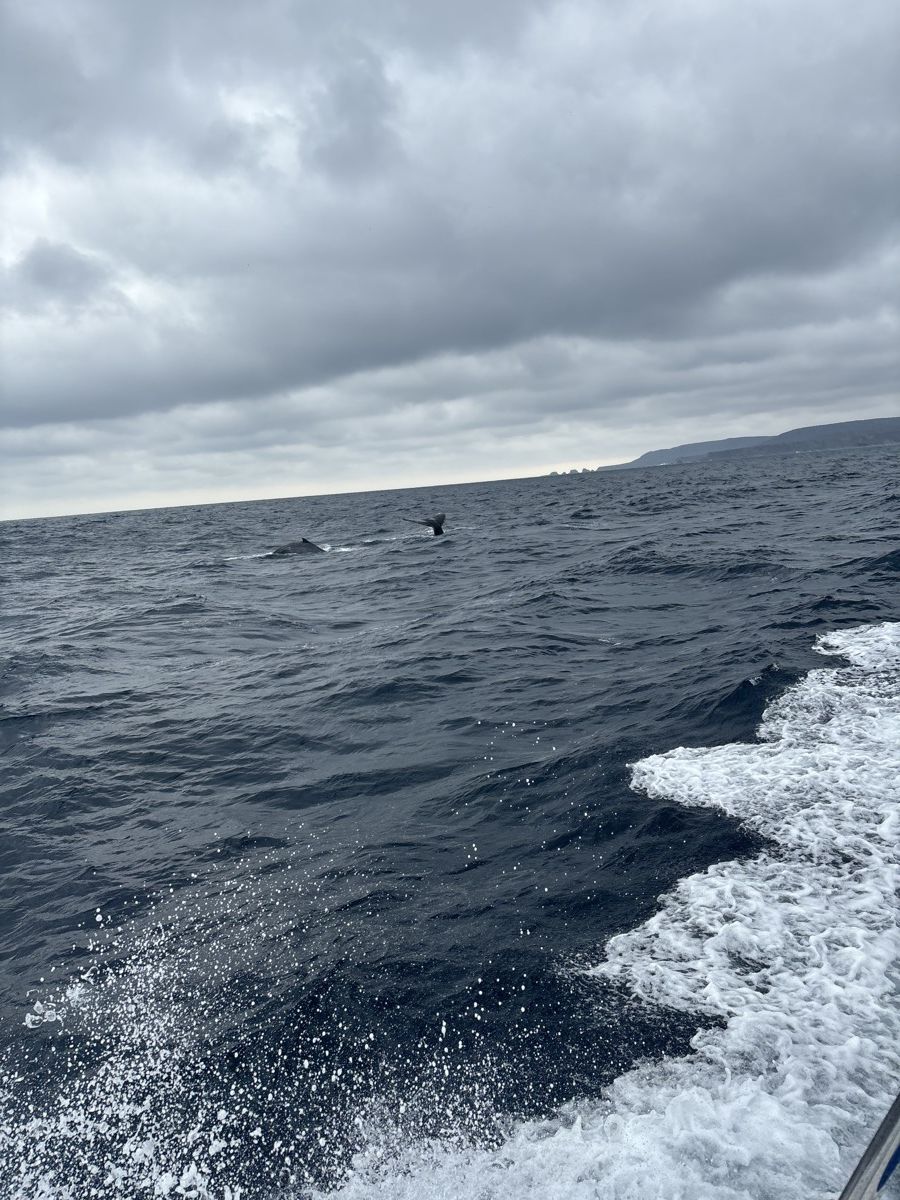
On the Ecuadorian coast we went whale watching — humpbacks, including babies jumping out of the water. The next day a trip to a nearby island: blue-footed boobies and frigatebirds, the males inflating enormous red throat pouches during mating season.
Peru — Huanchaco to Cusco
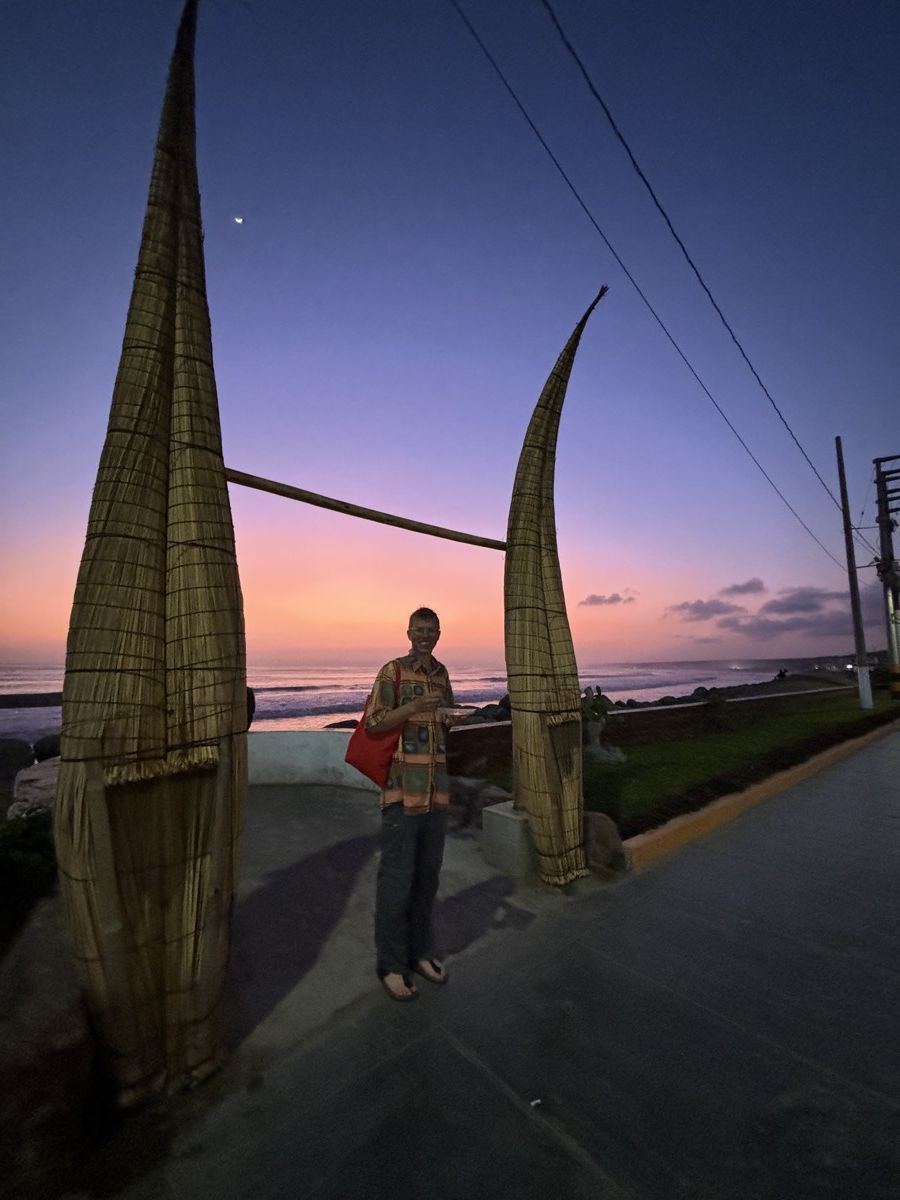
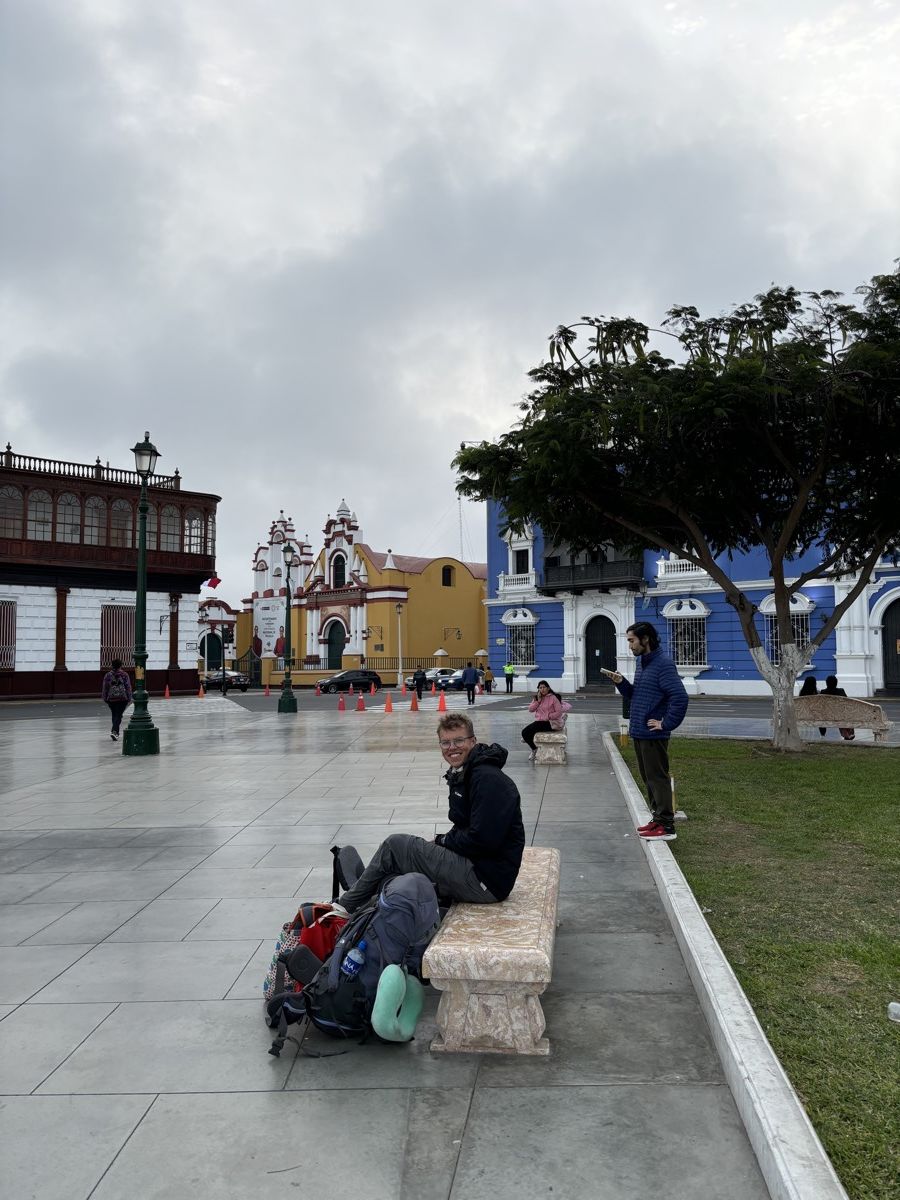
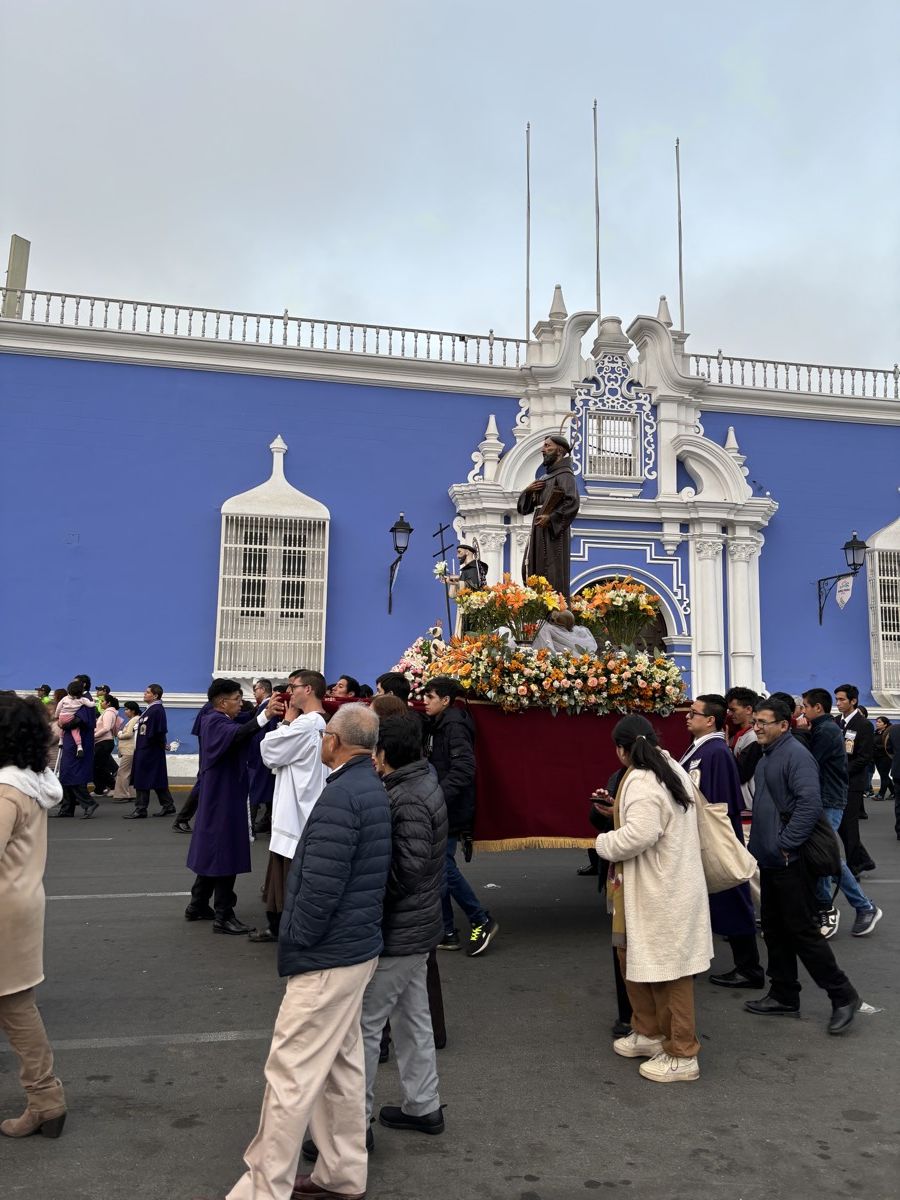
Into Peru. Huanchaco in the north — known for having the longest left-hand surf wave in the world. That’s where I had my first surf lesson — still needs a lot of improvement. Then we headed south, a short stop in Lima, and on to Cusco.
Peru — Inca Trail
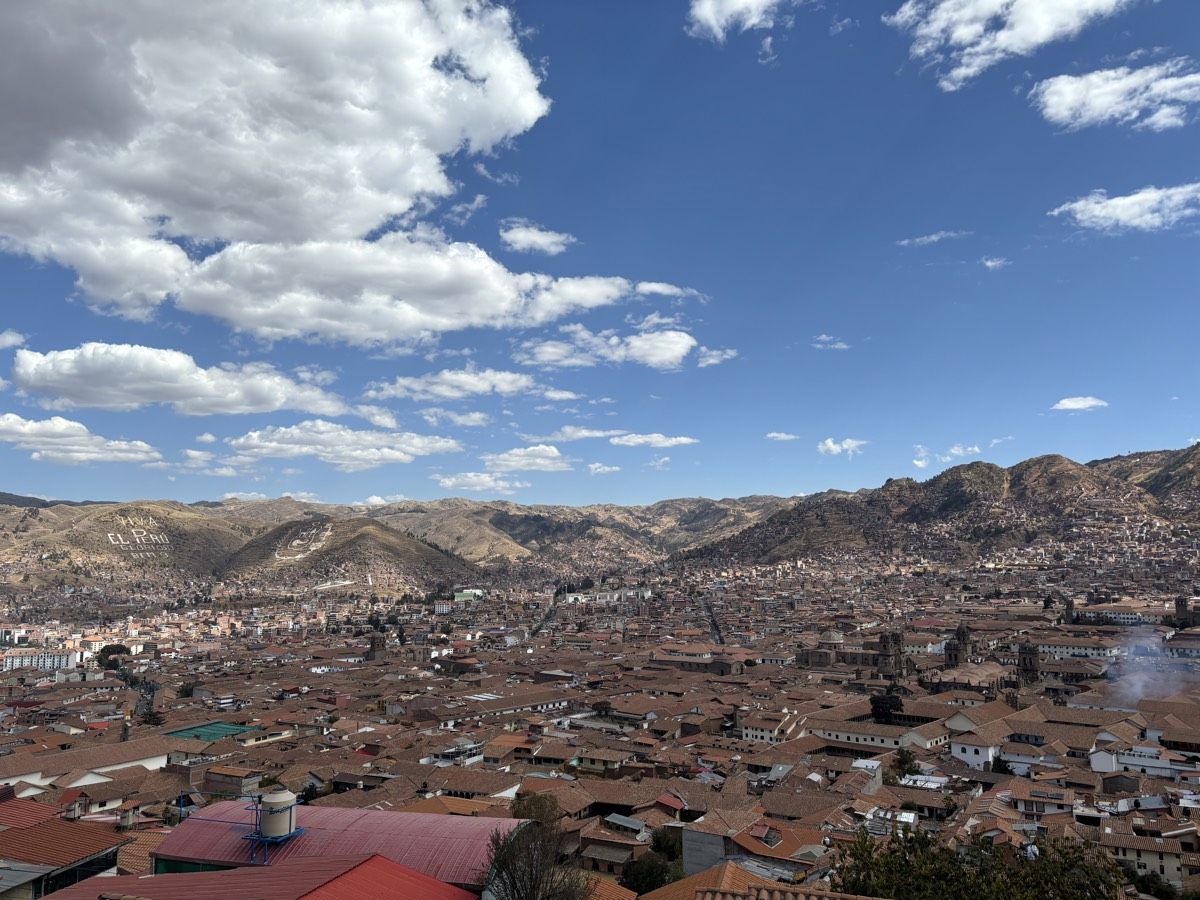
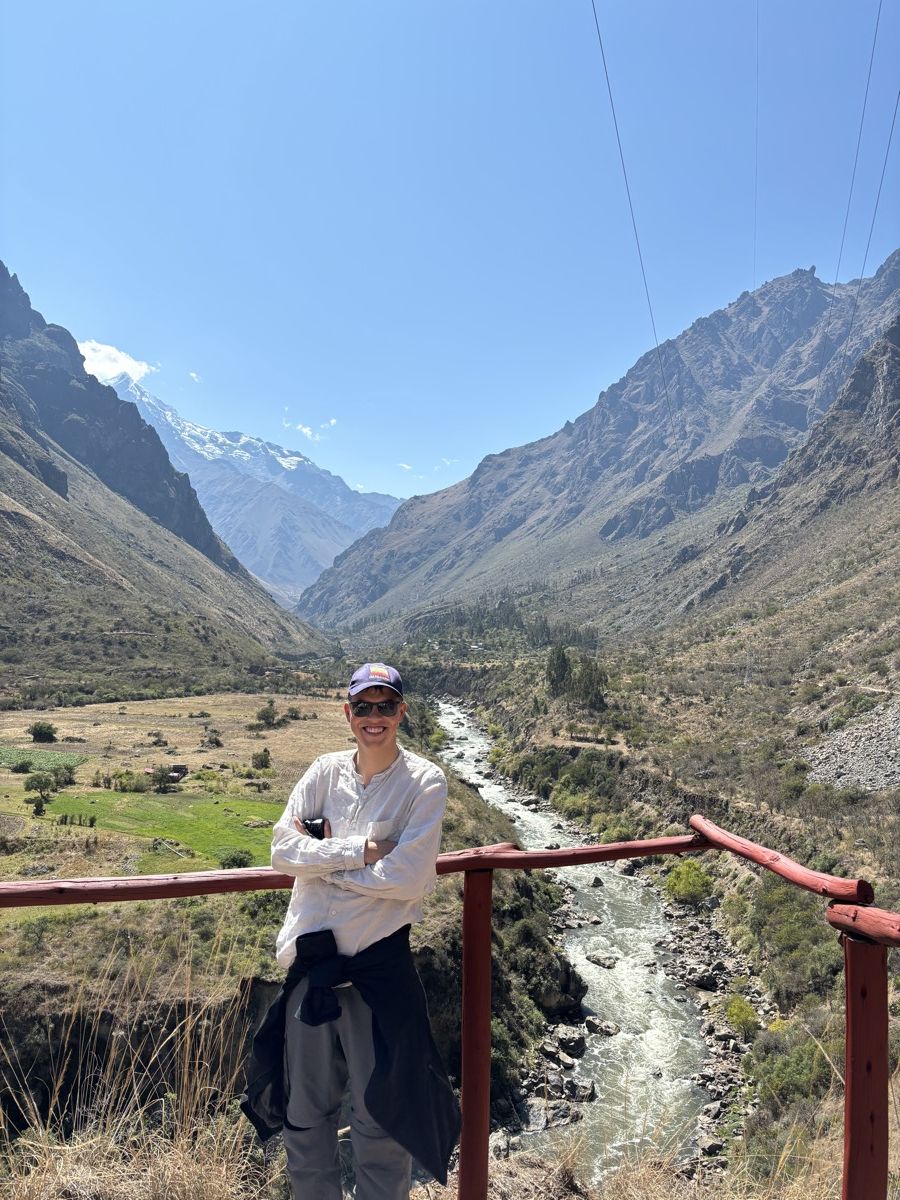
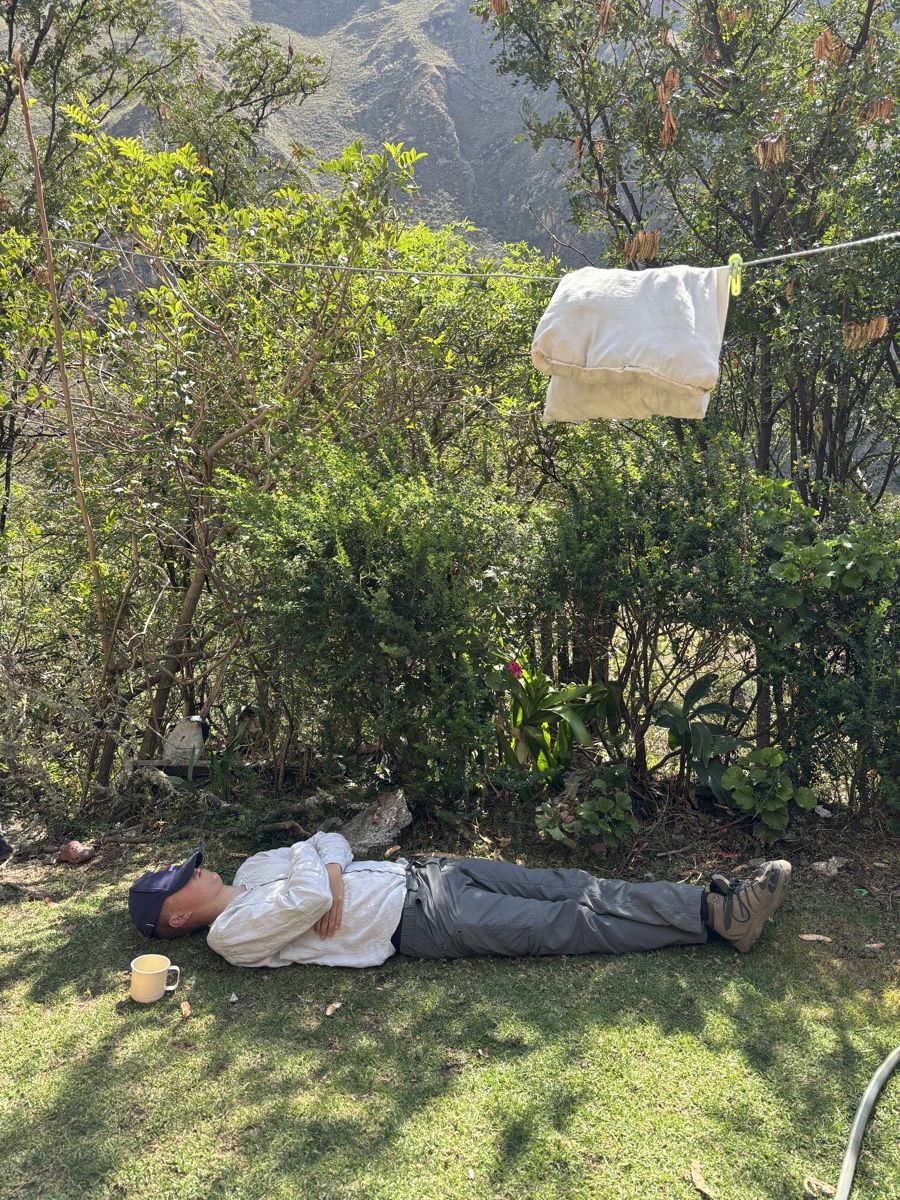
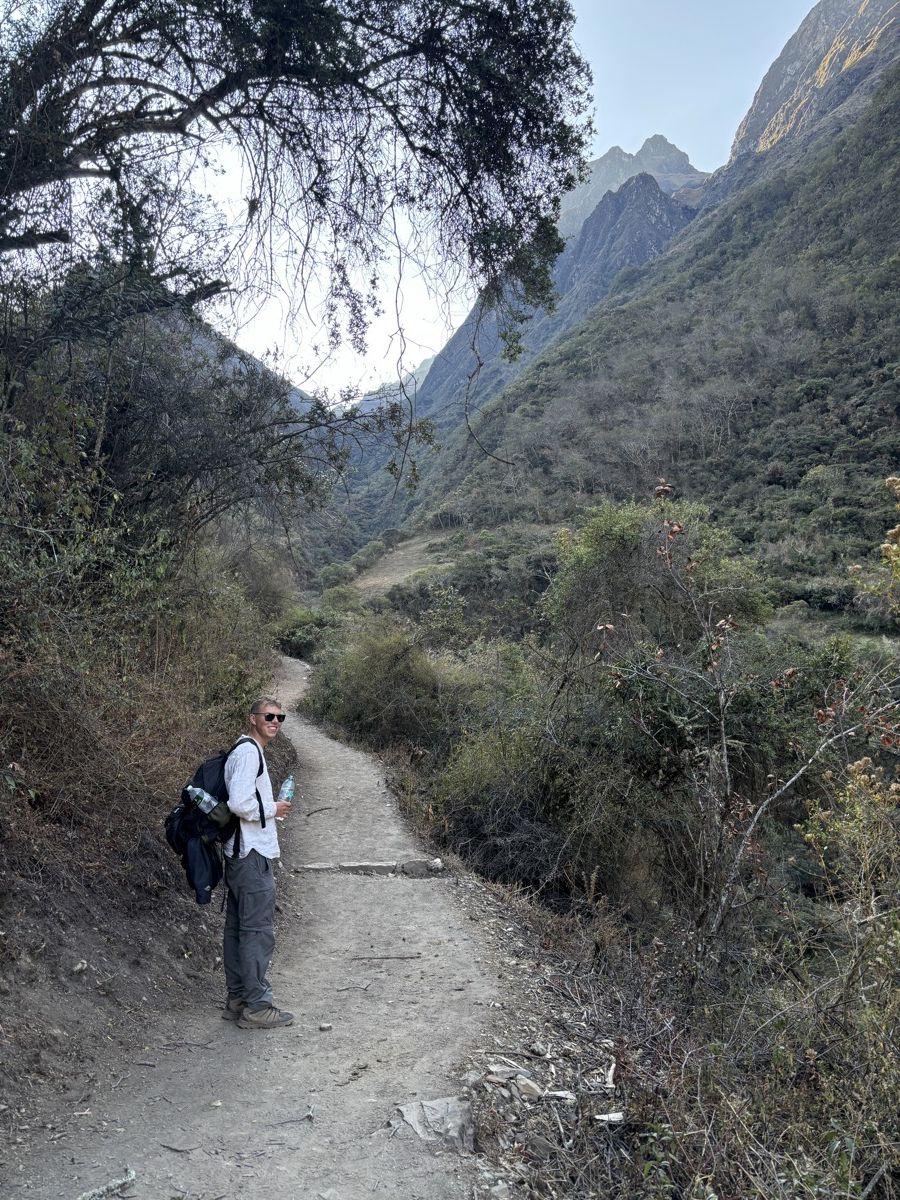
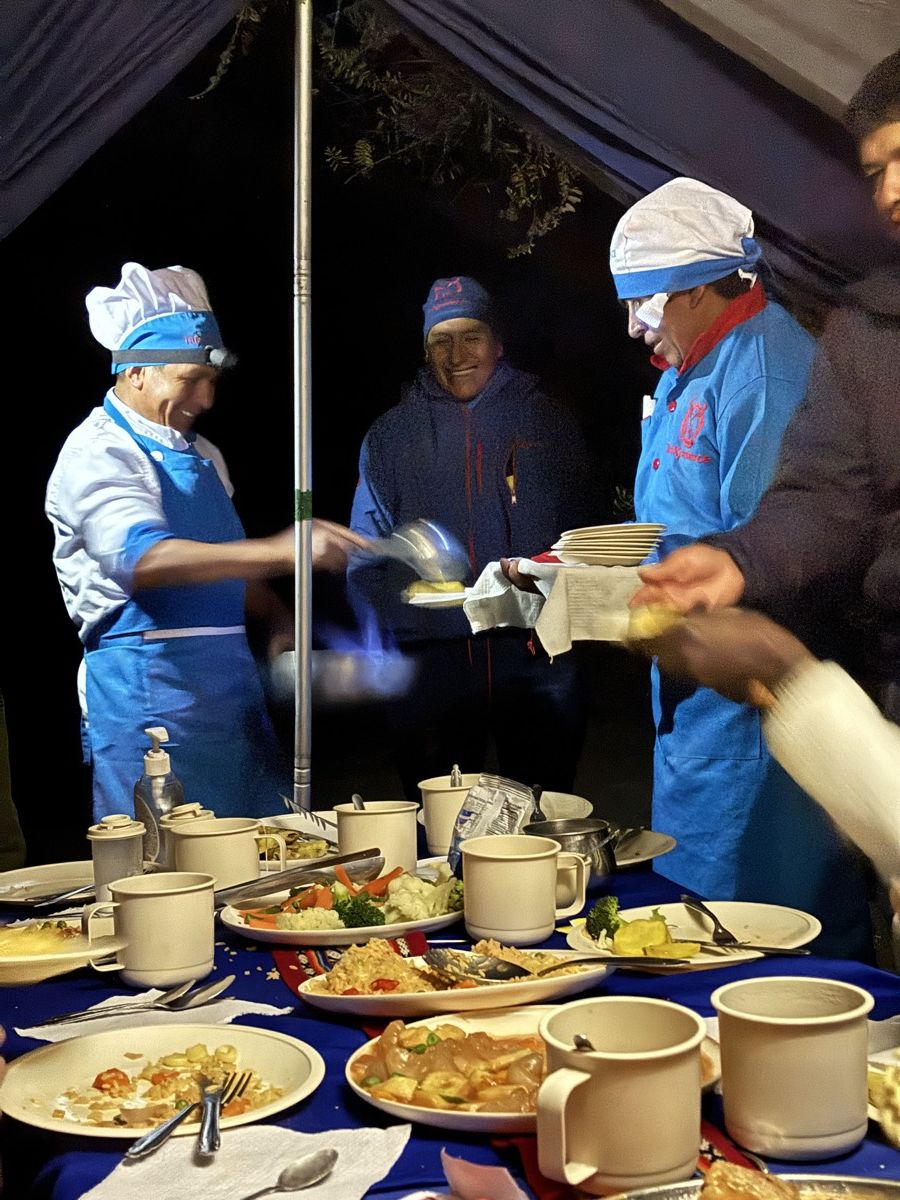
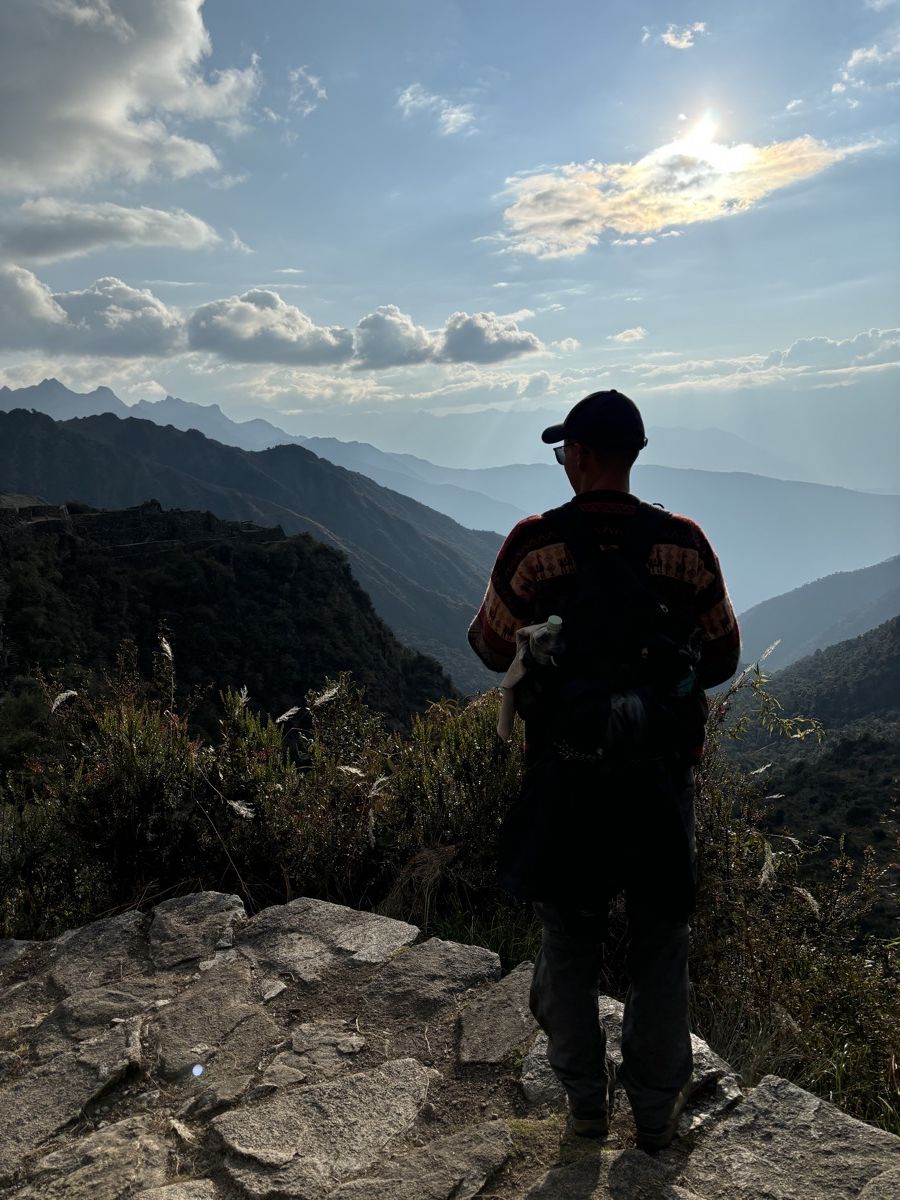
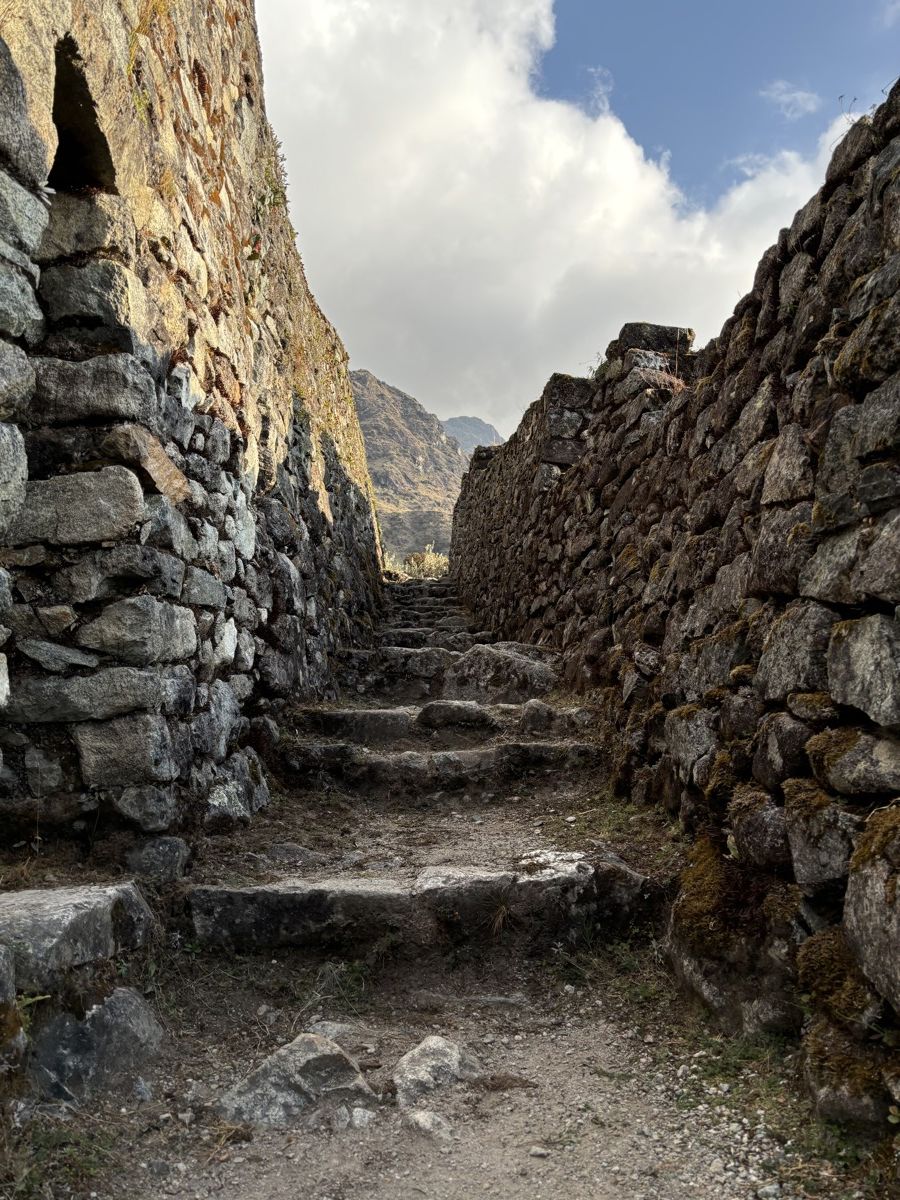
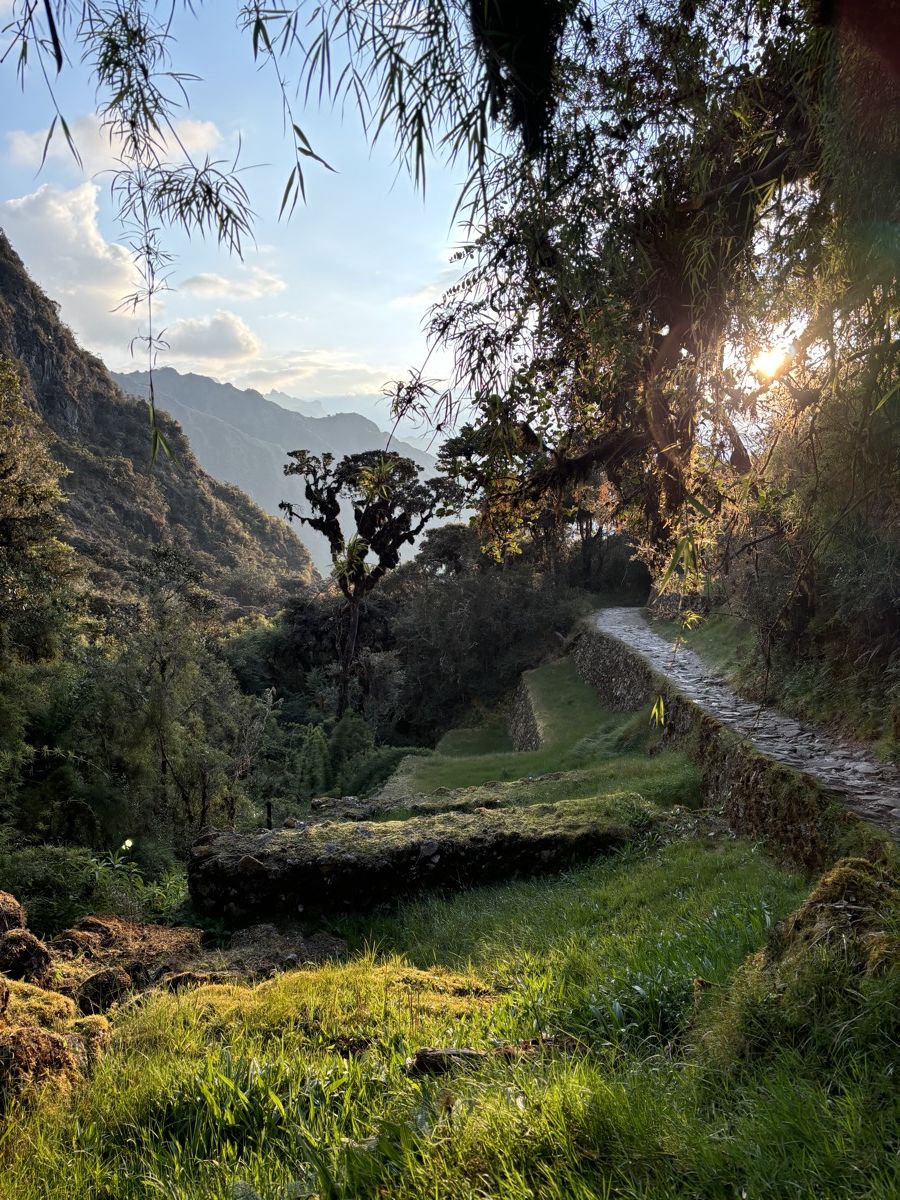
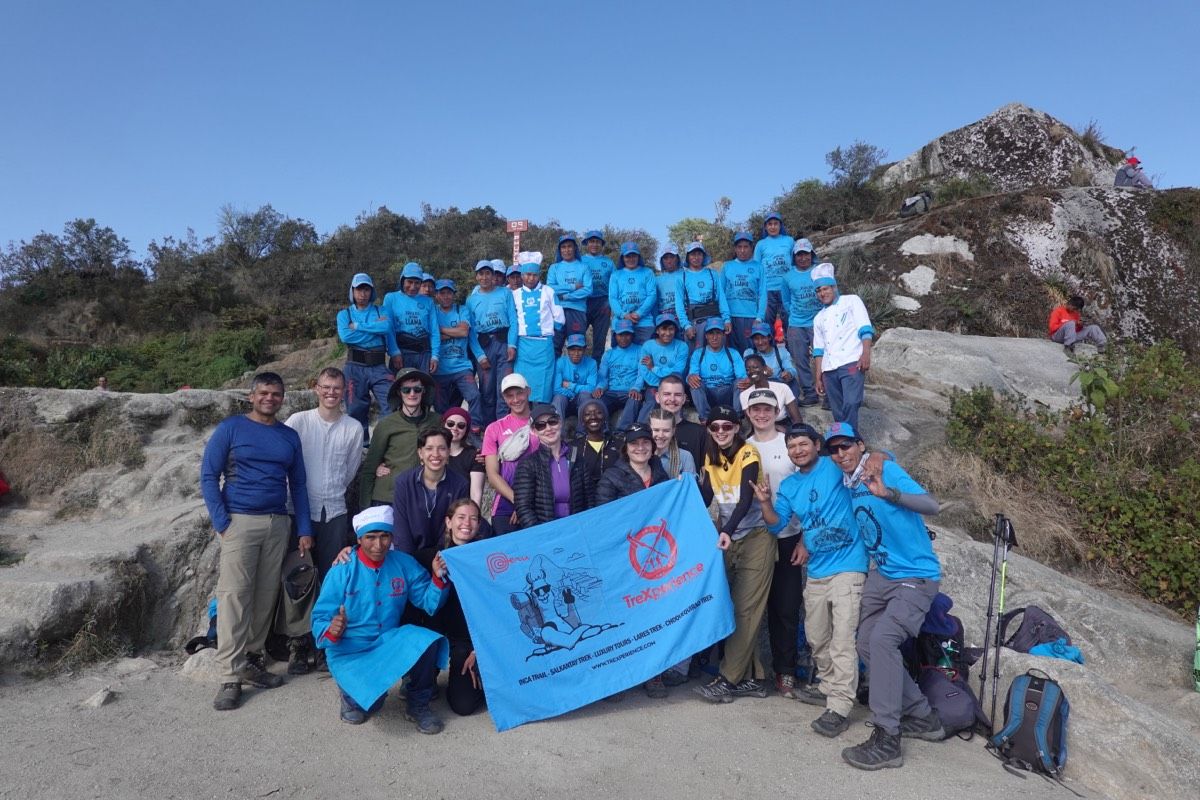
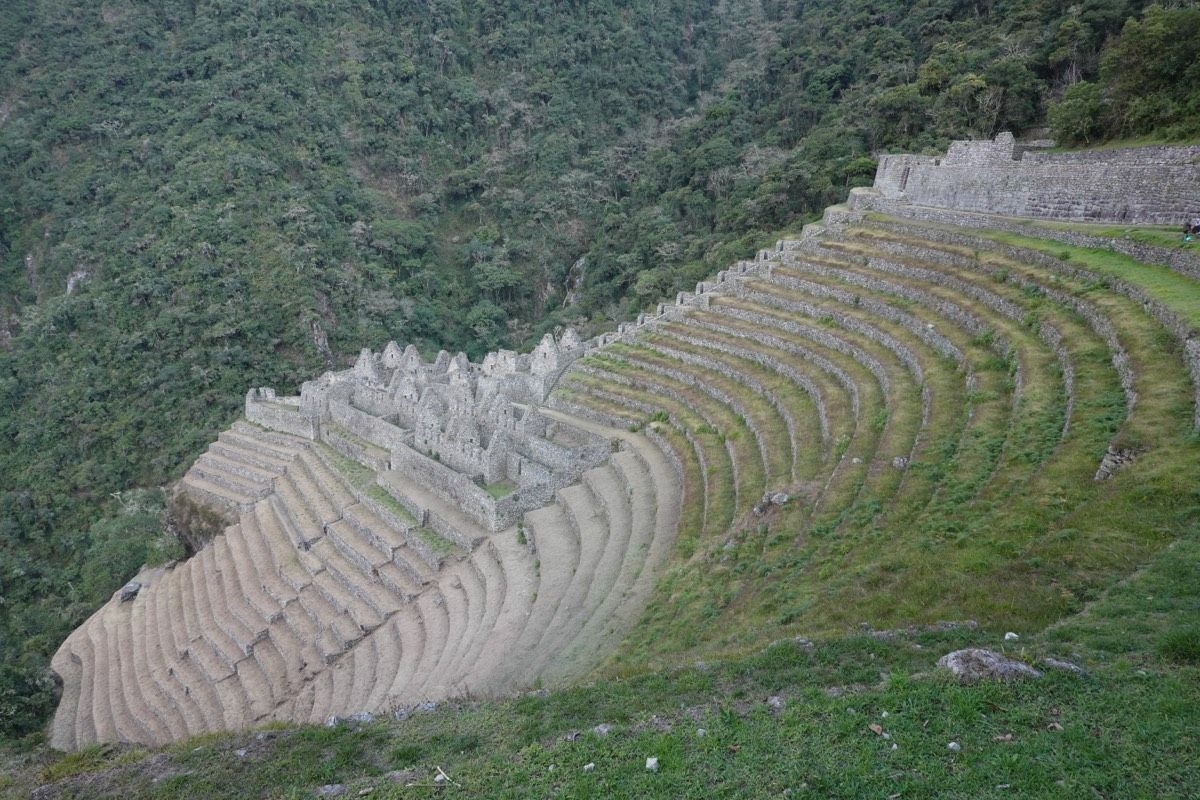
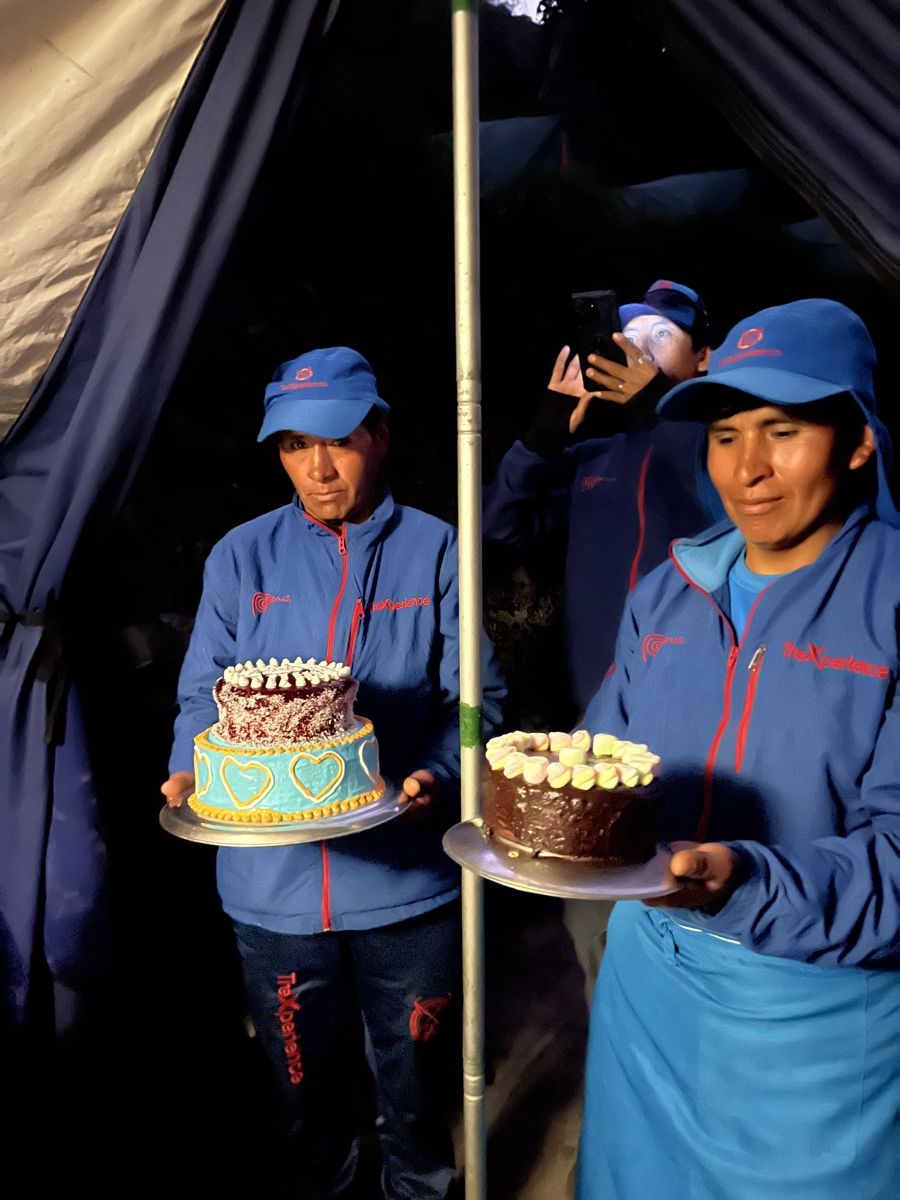
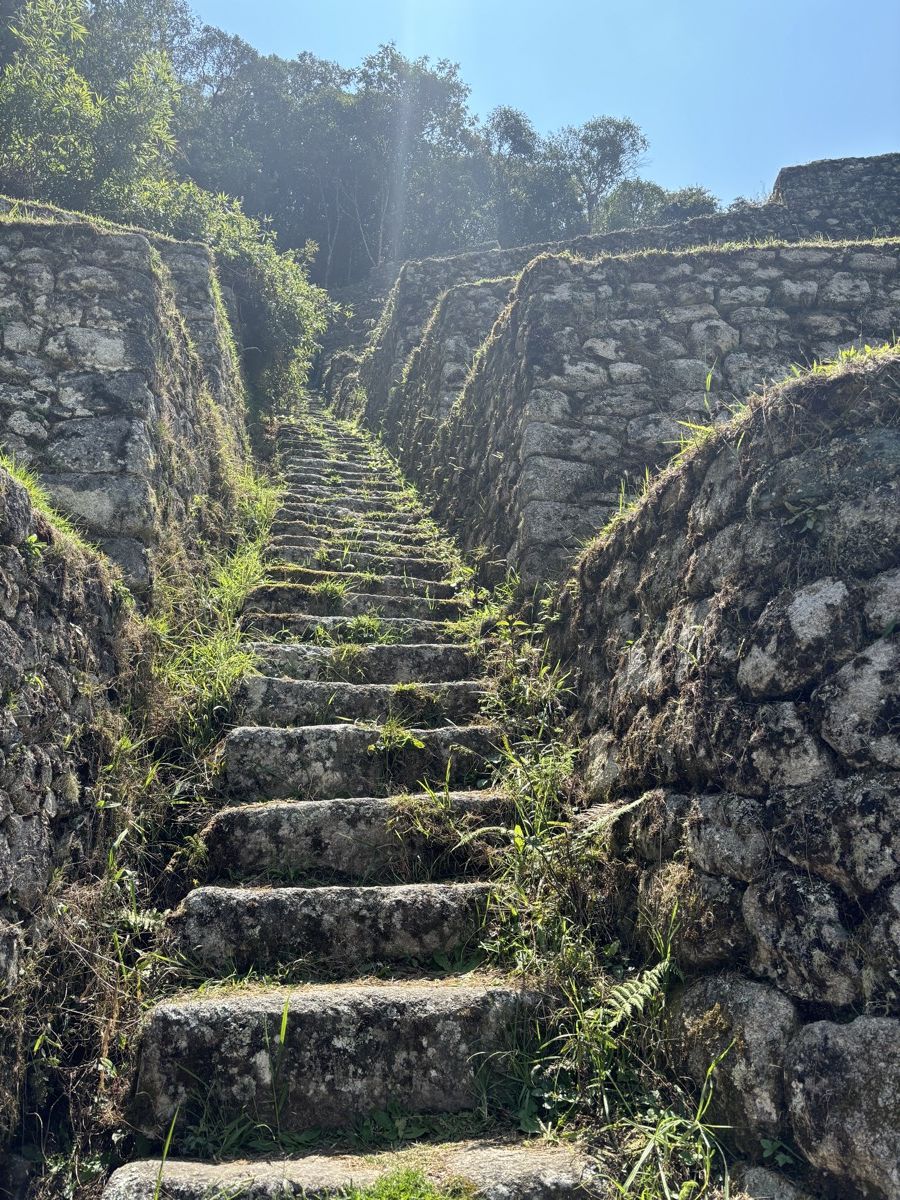
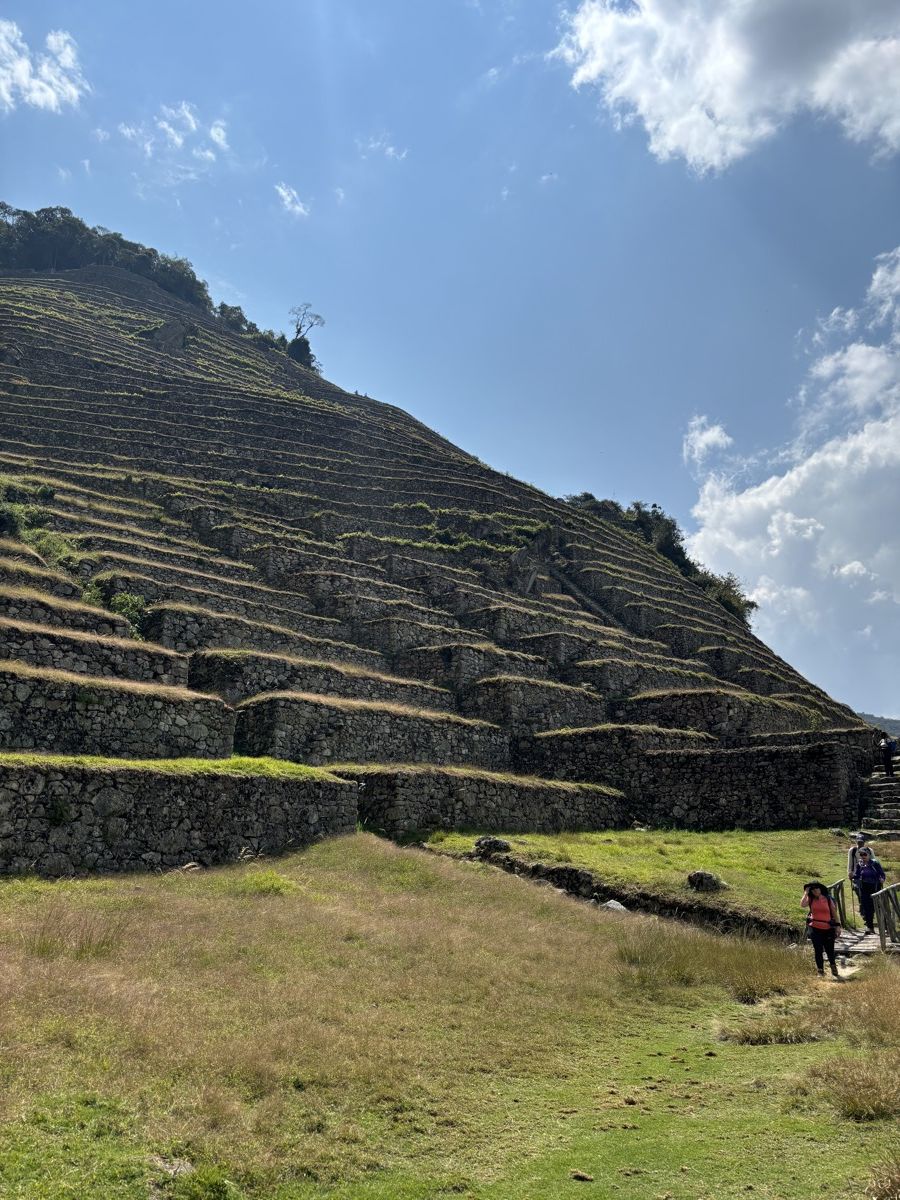
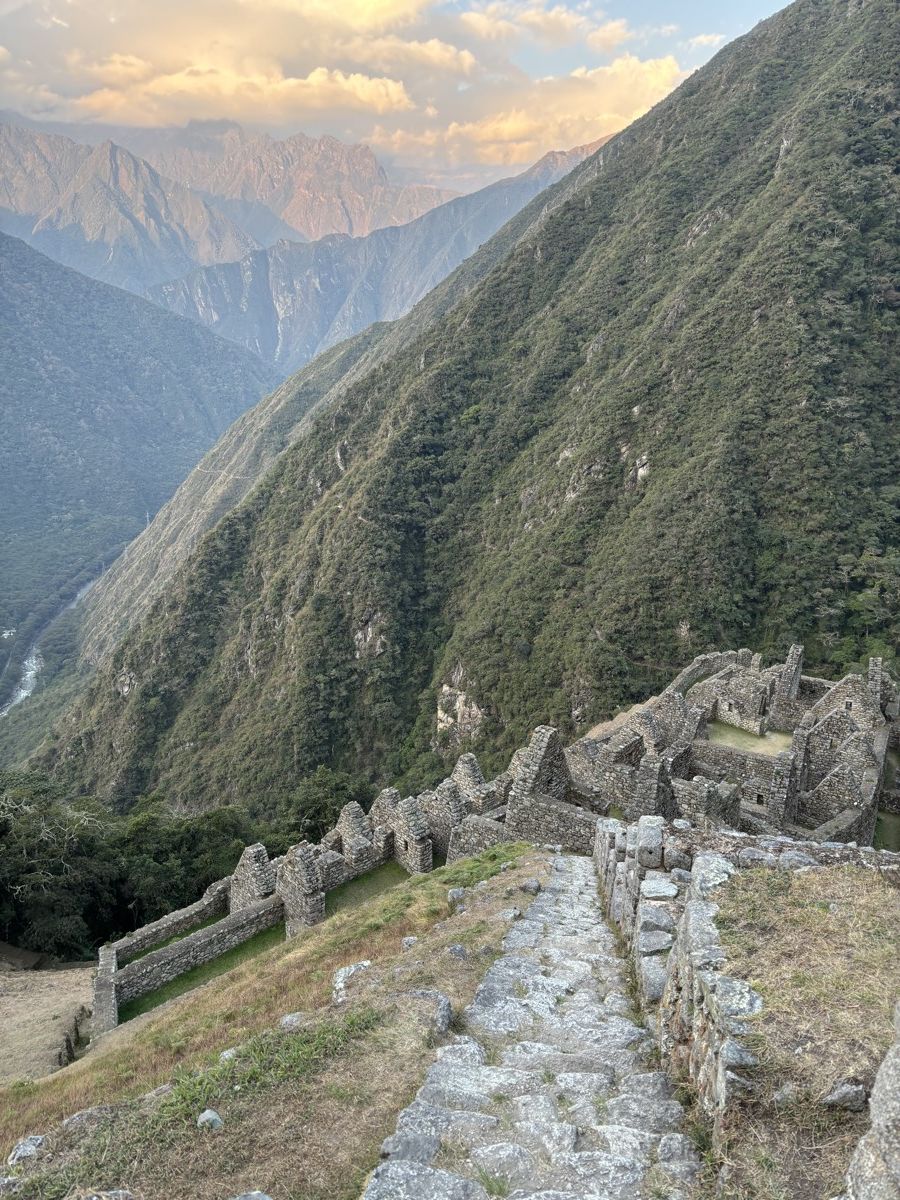
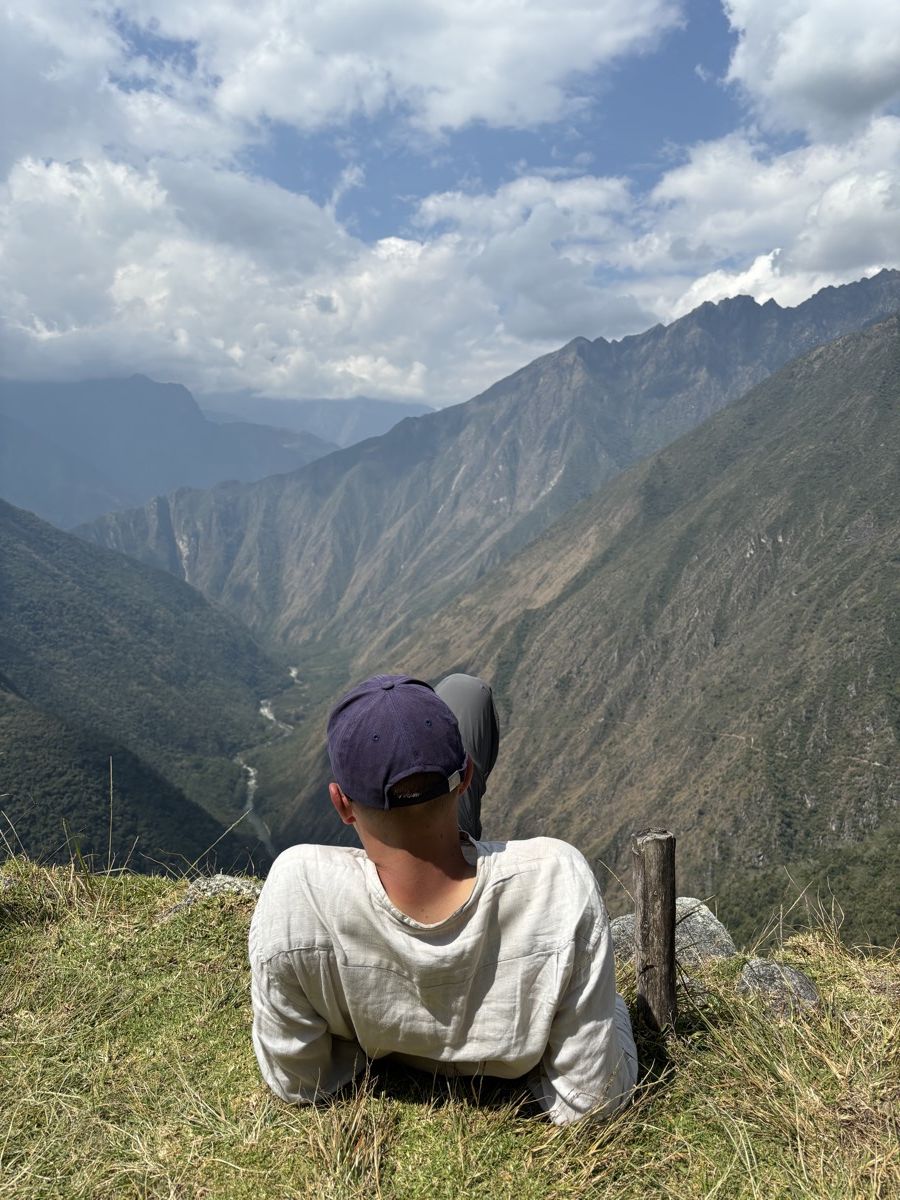
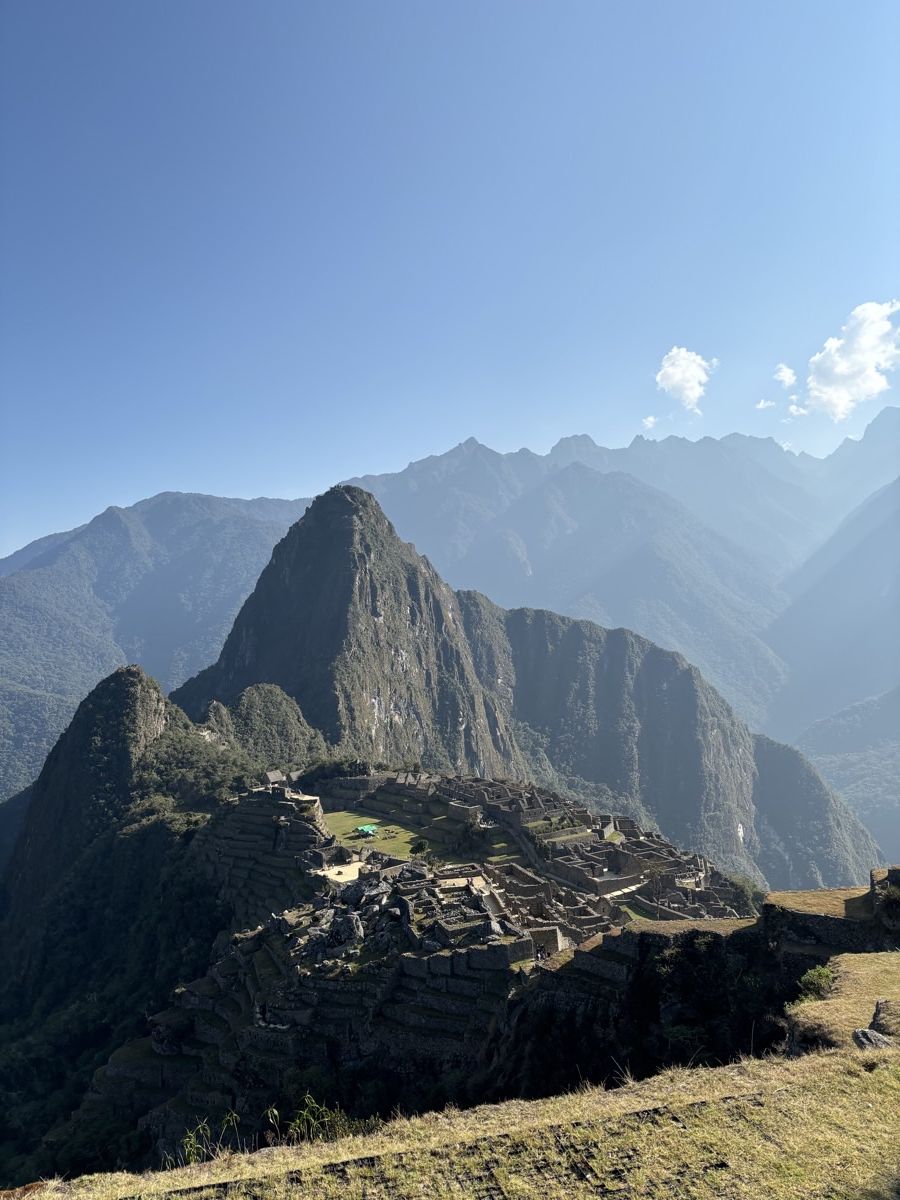
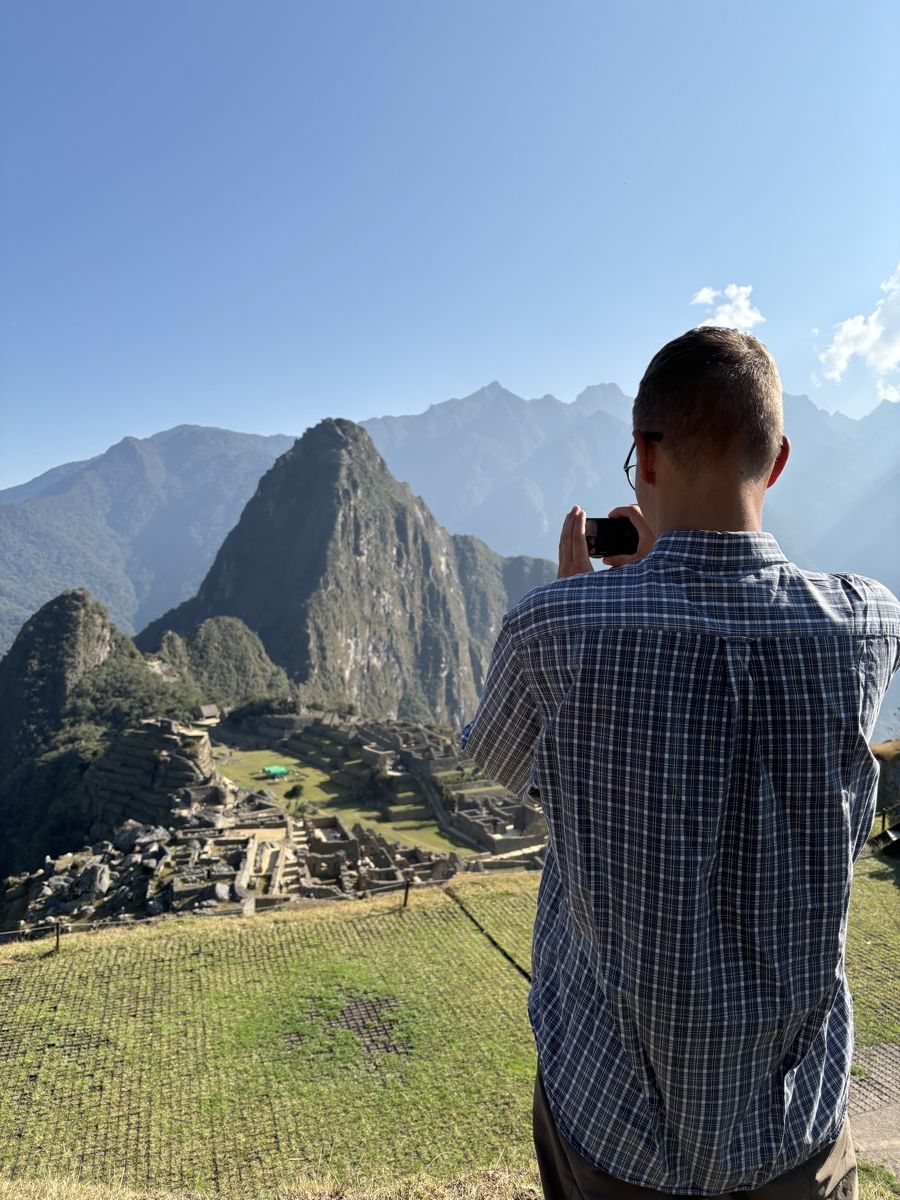
Two nights in Cusco to adjust to the altitude of 3,200m above sea level before starting the Inca Trail — a three-day hike we had signed up for months in advance. Machu Picchu at the end of it. As impressive as advertised, but having experienced all the old ruins along the hike, the overtourism killed it. Glad for the experience and the people I got to know in our hiking group along the way — but for someone who was probably the one with the smallest budget in the group, it may not have been the smartest decision.
Arequipa and Colca Canyon
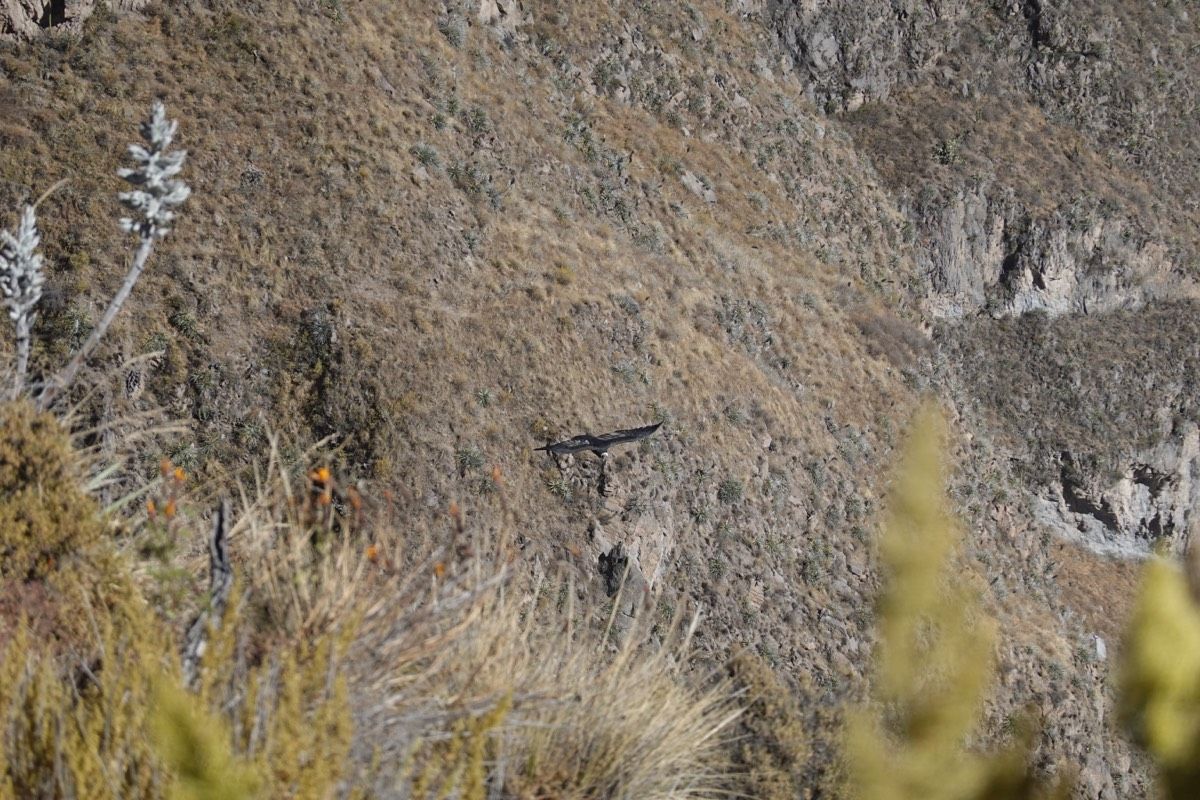
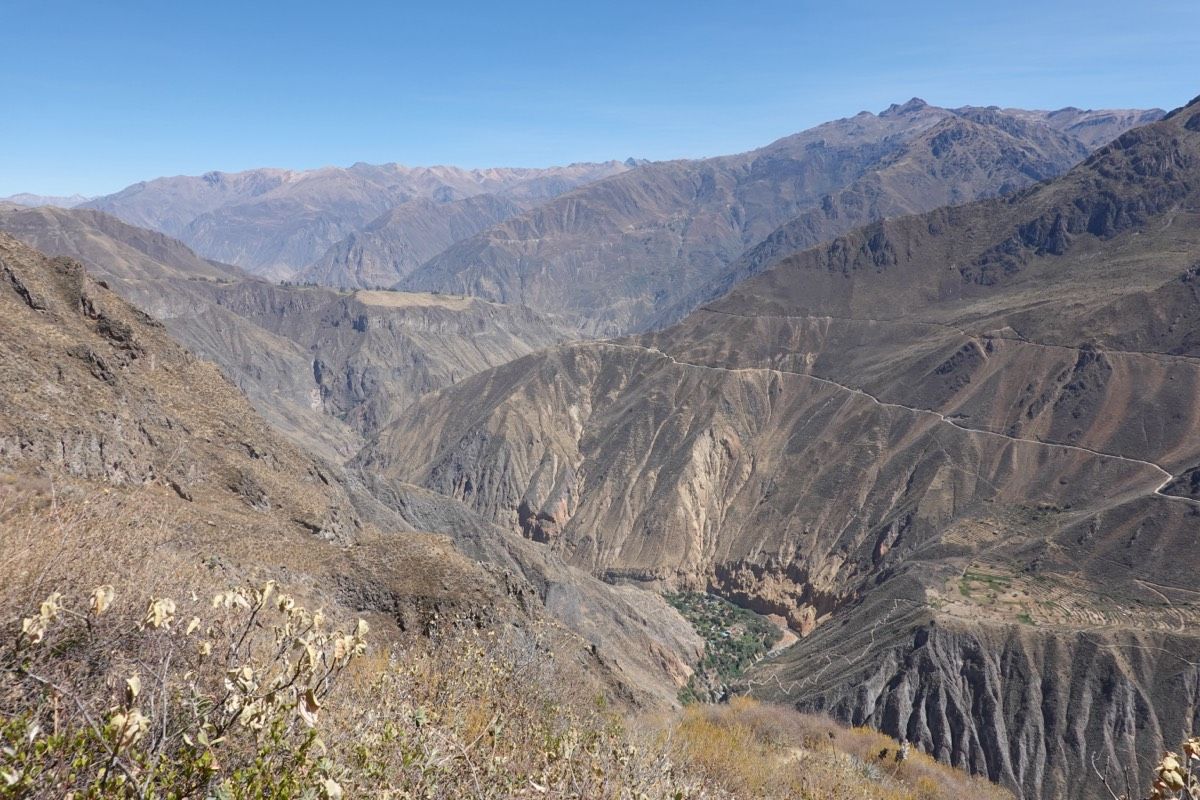
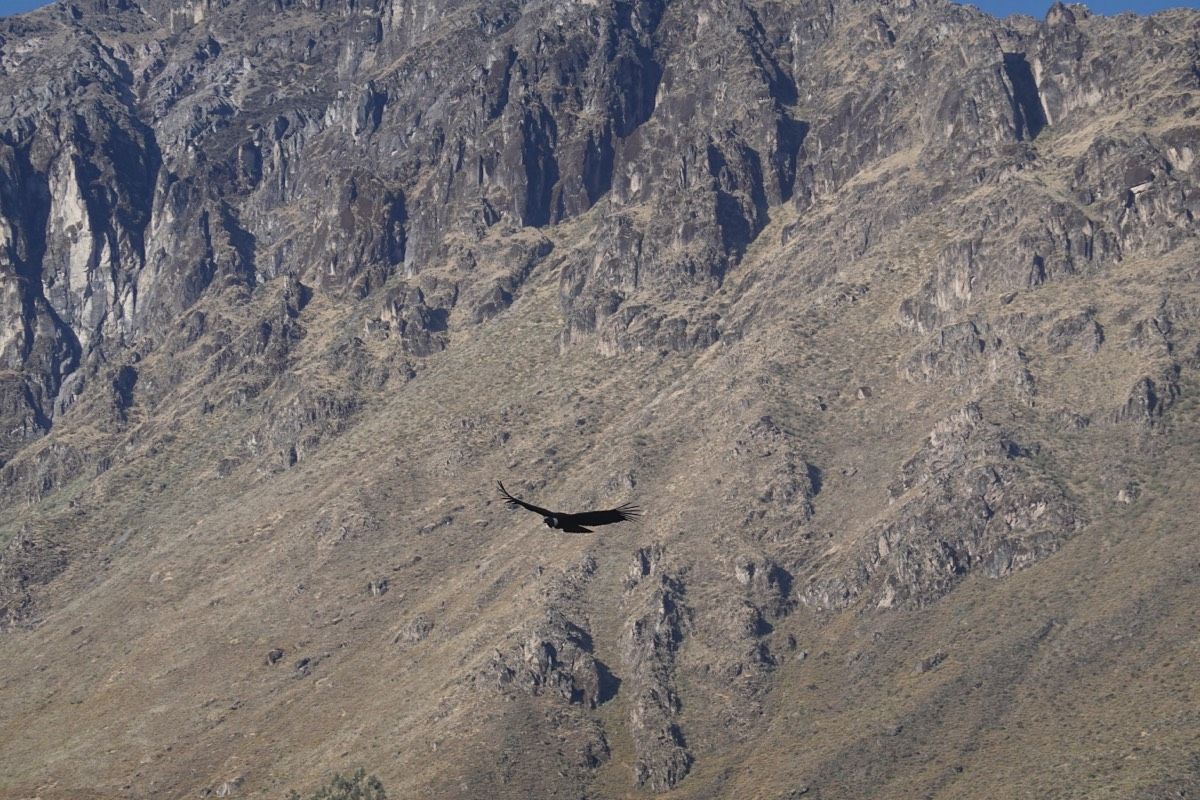
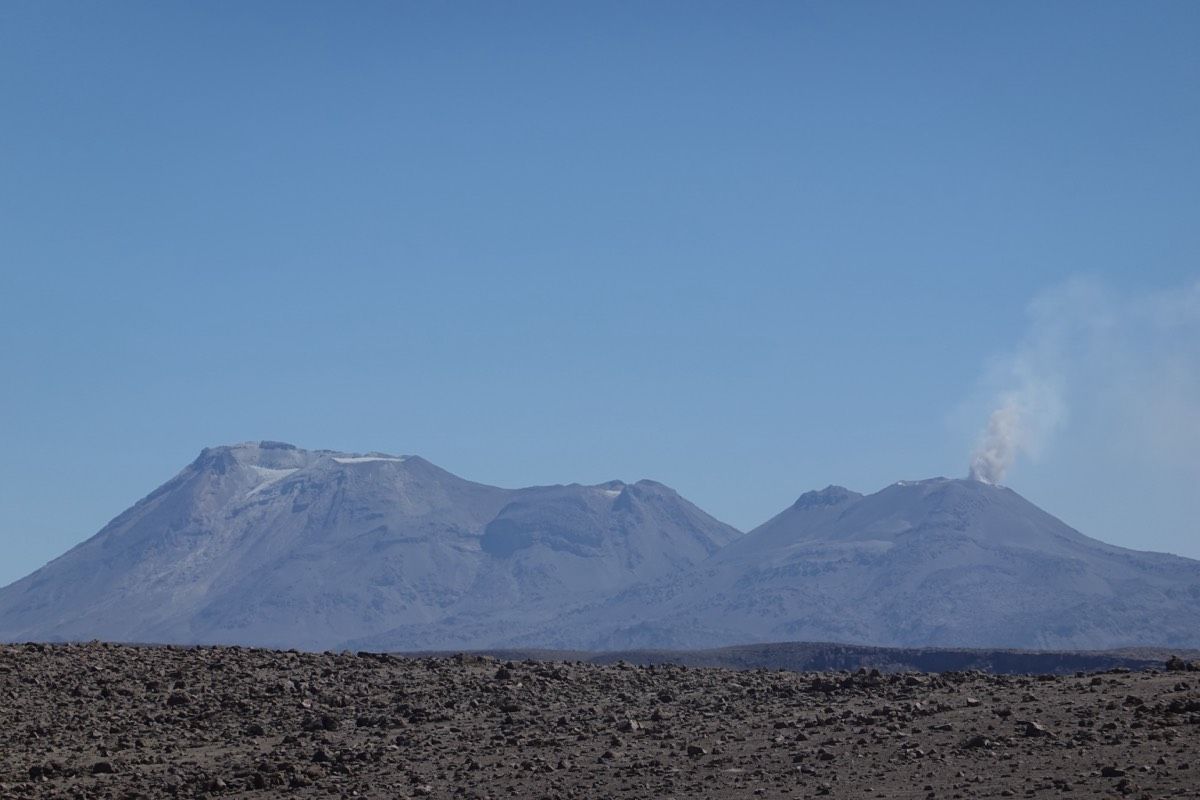
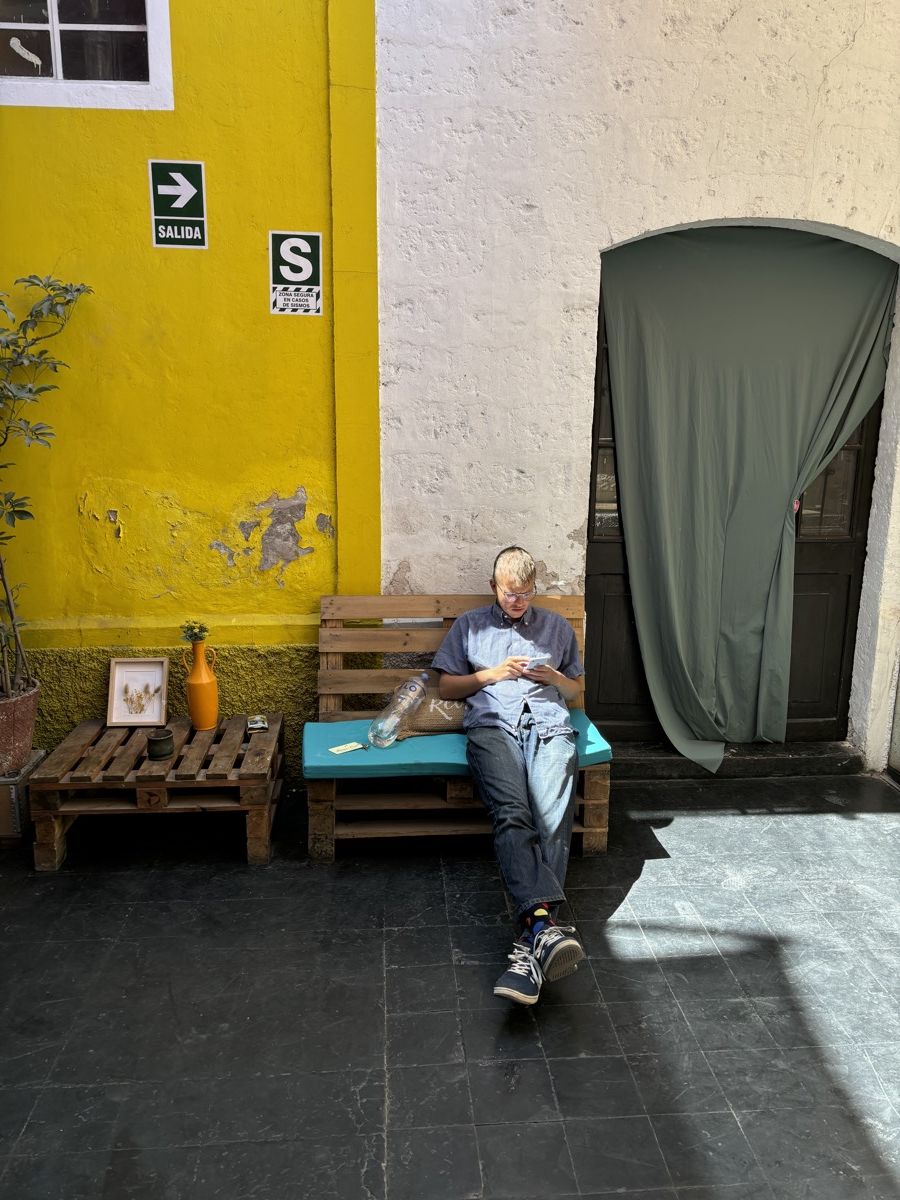
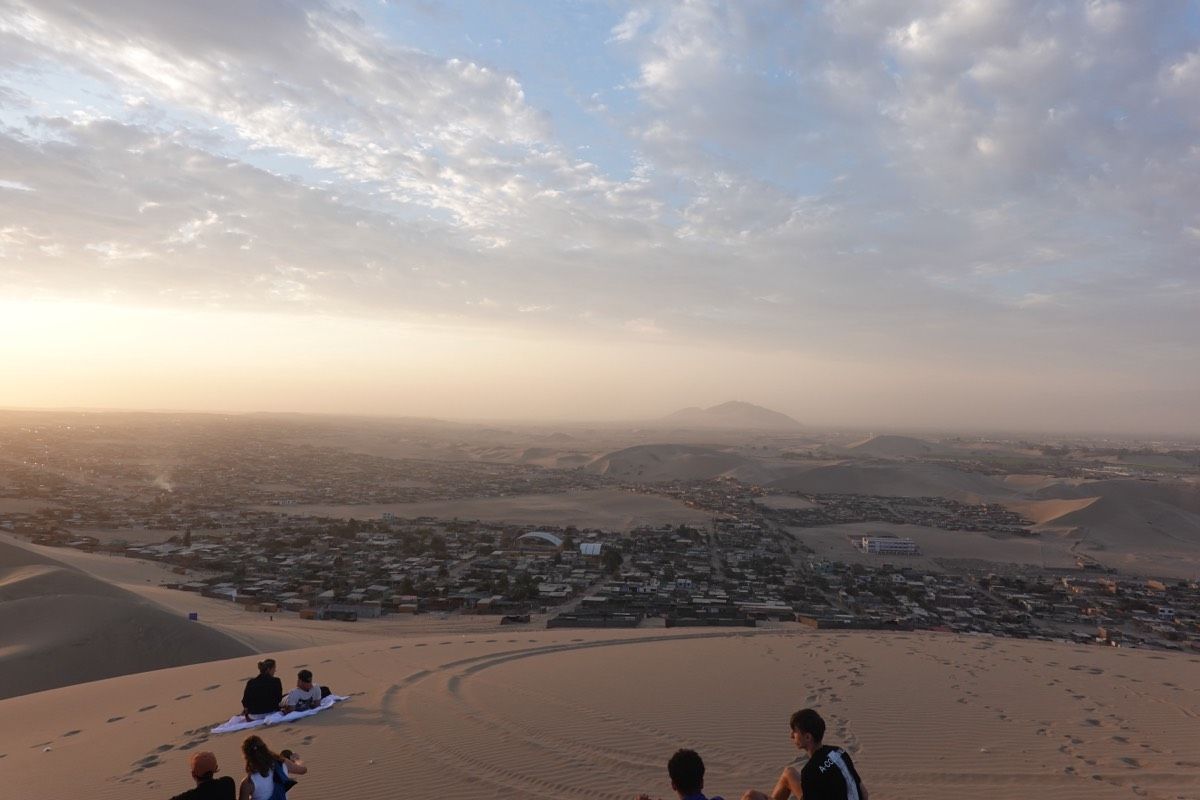
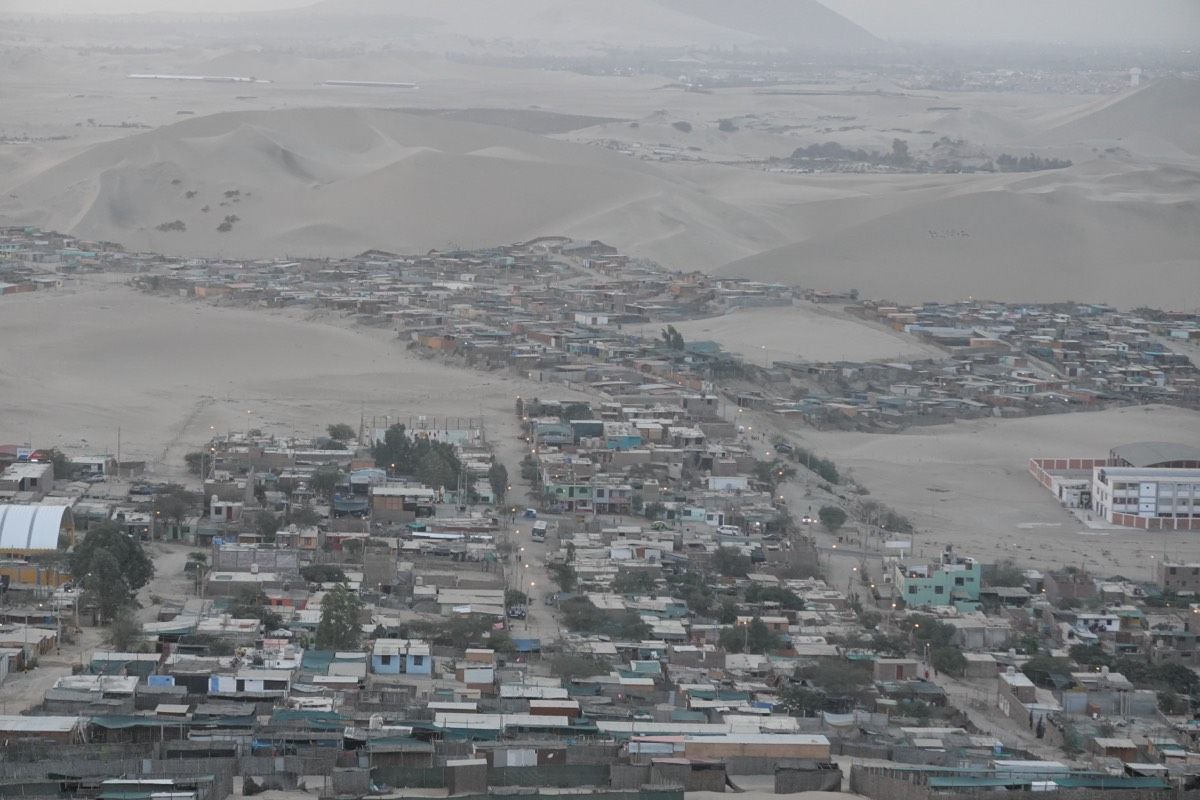
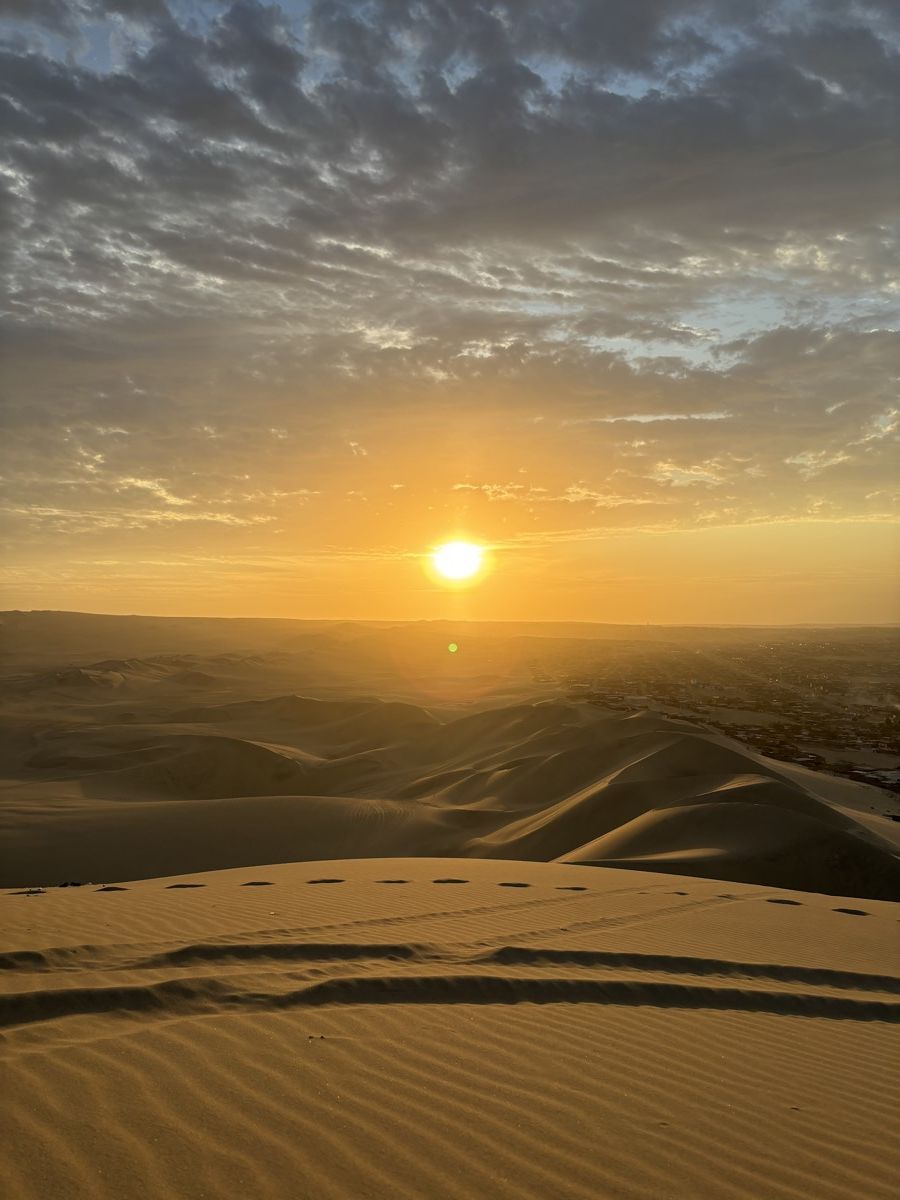
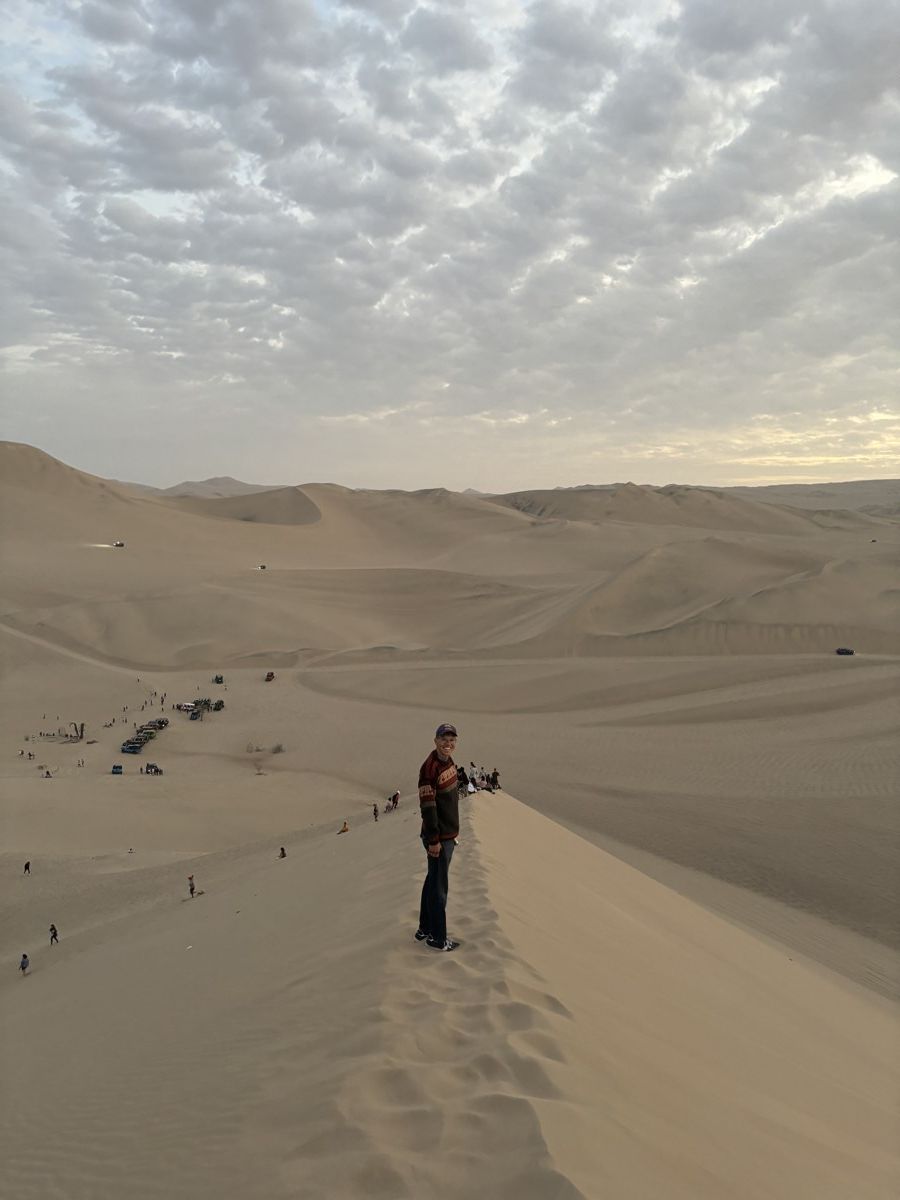
From the Inca Trail we headed north to Huaraz, but before that we made a detour south past Arequipa — my favourite city in Peru. Beautiful landscape around it. We did the Colca Canyon trip which I regret. Rushed, expensive, and only the Andean Condor gave the dry landscape a bit of life. It didn’t feel worth it. On the way back north we passed through Ica and Huacachina — sand dunes dropping straight into an oasis. Impressive, but again suffering from overtourism.
Huaraz
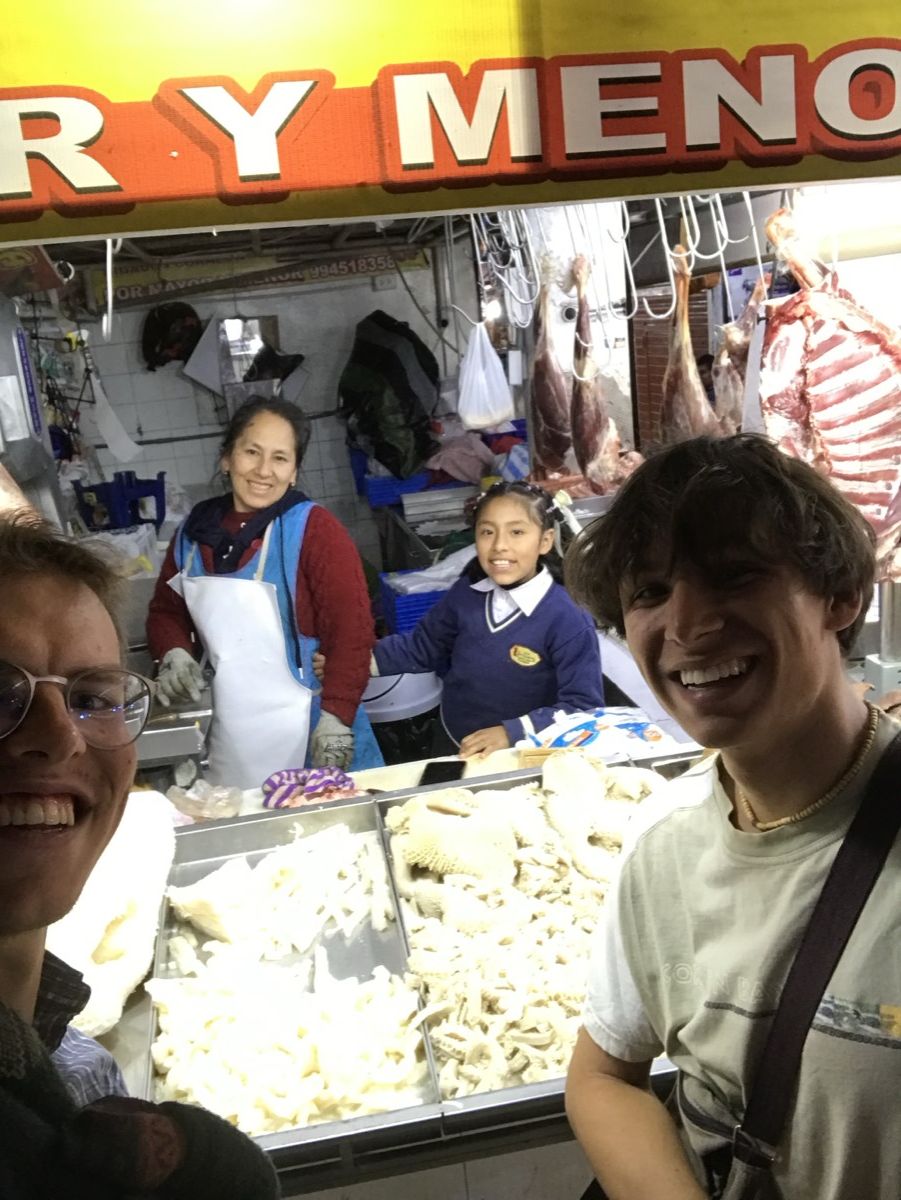
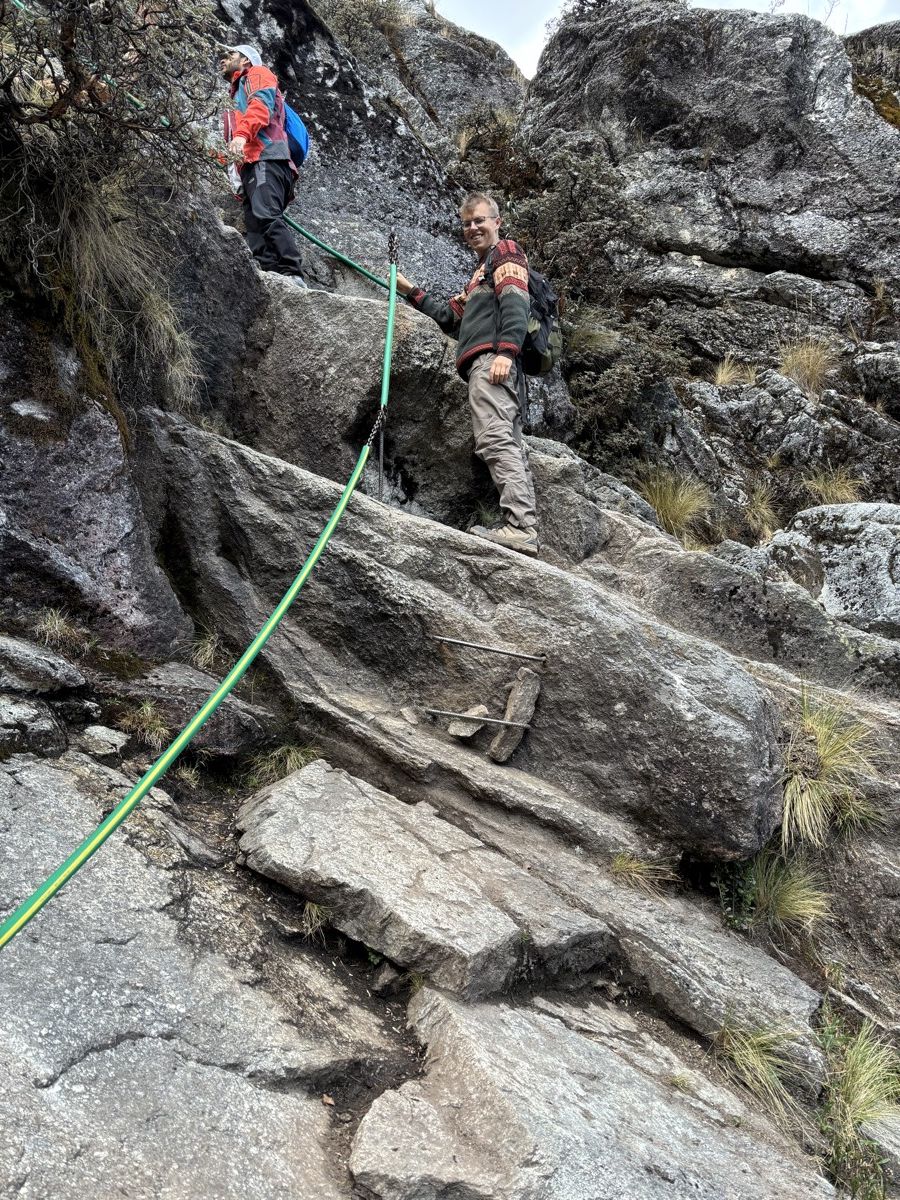
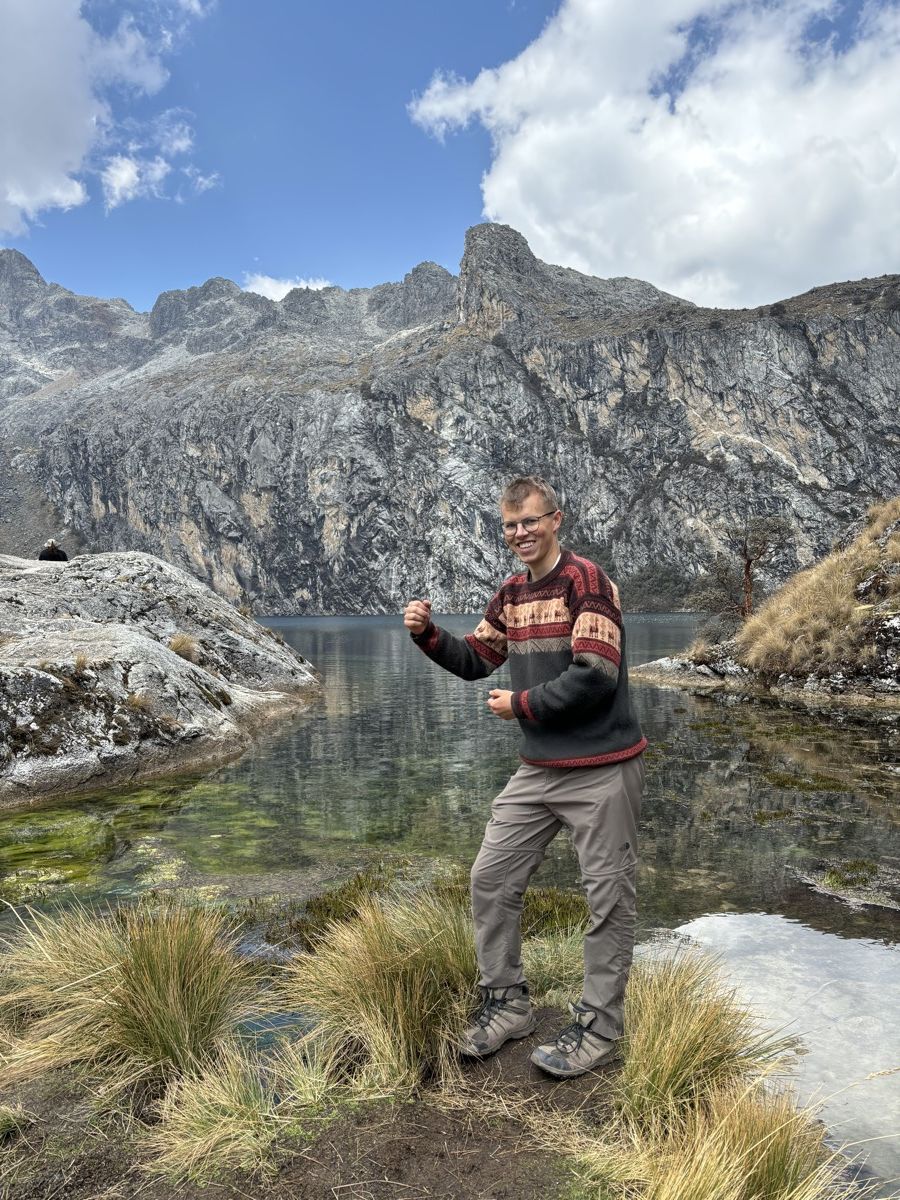
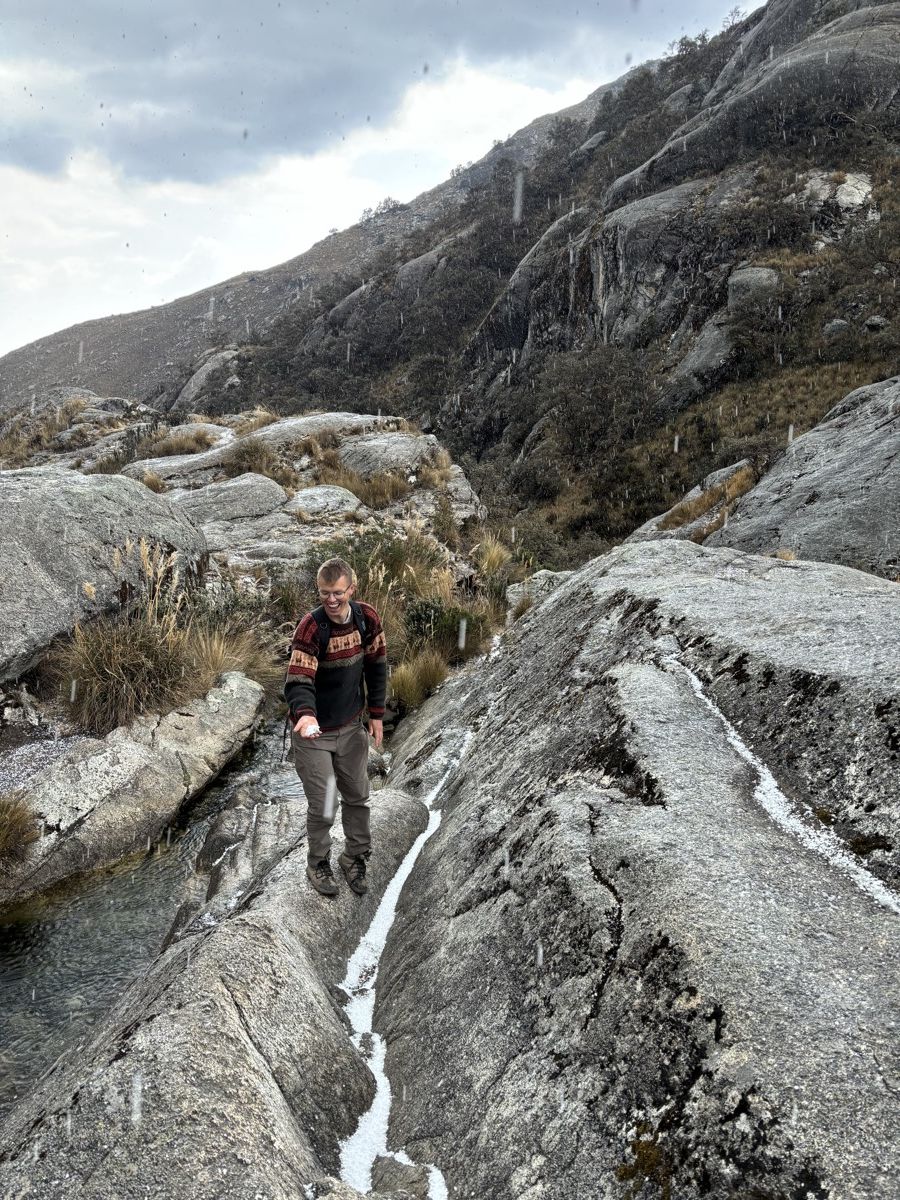
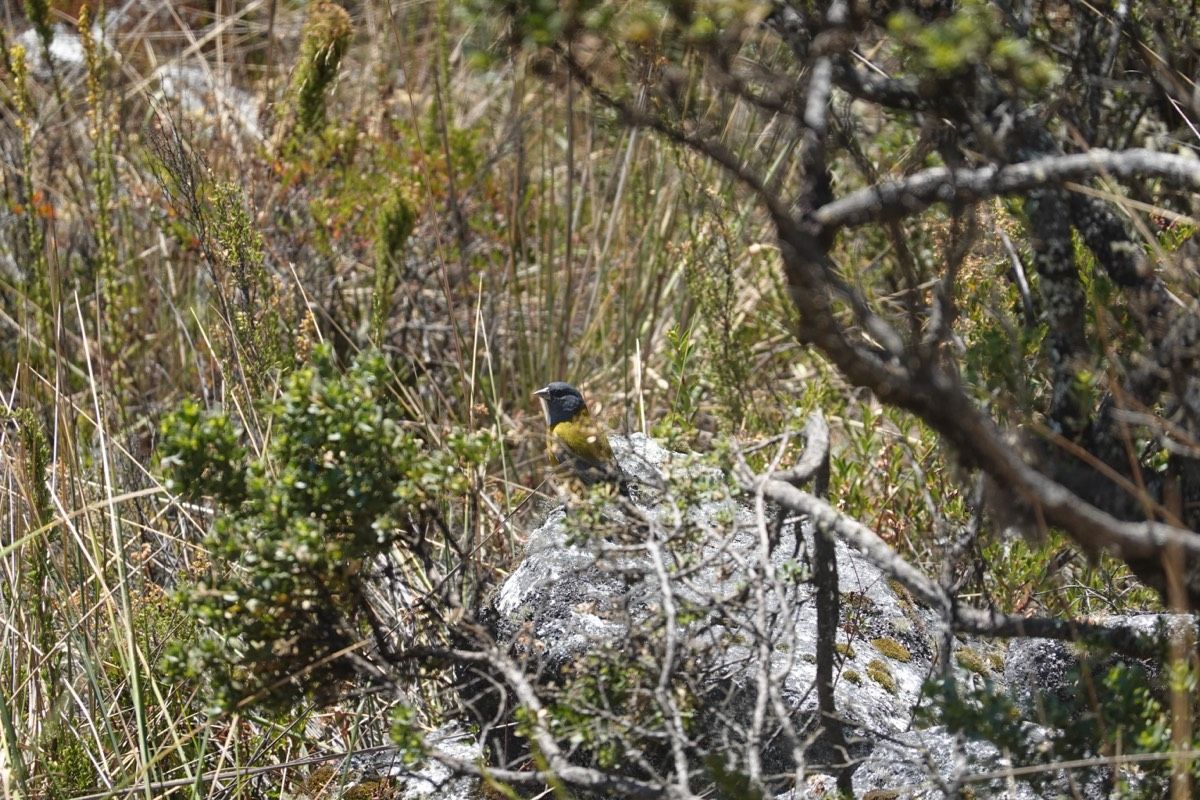
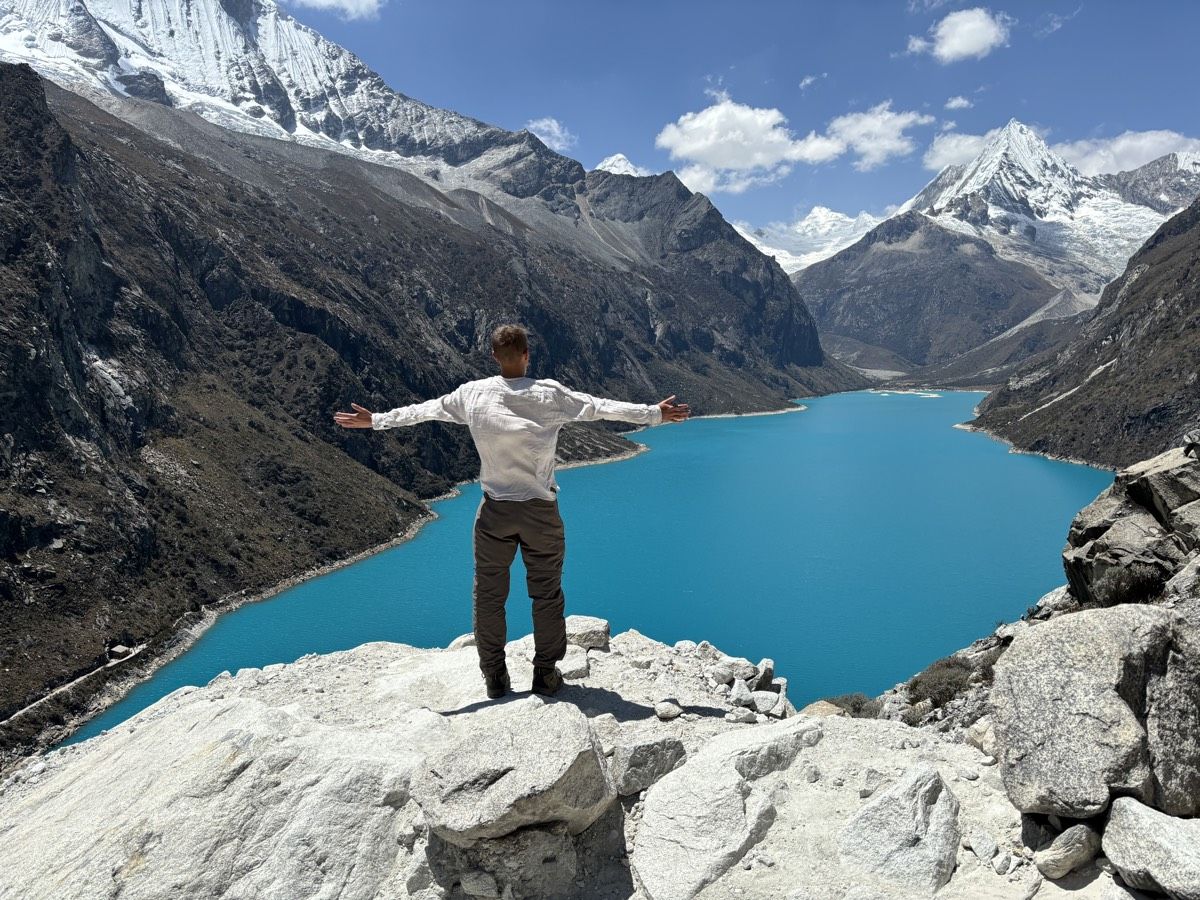
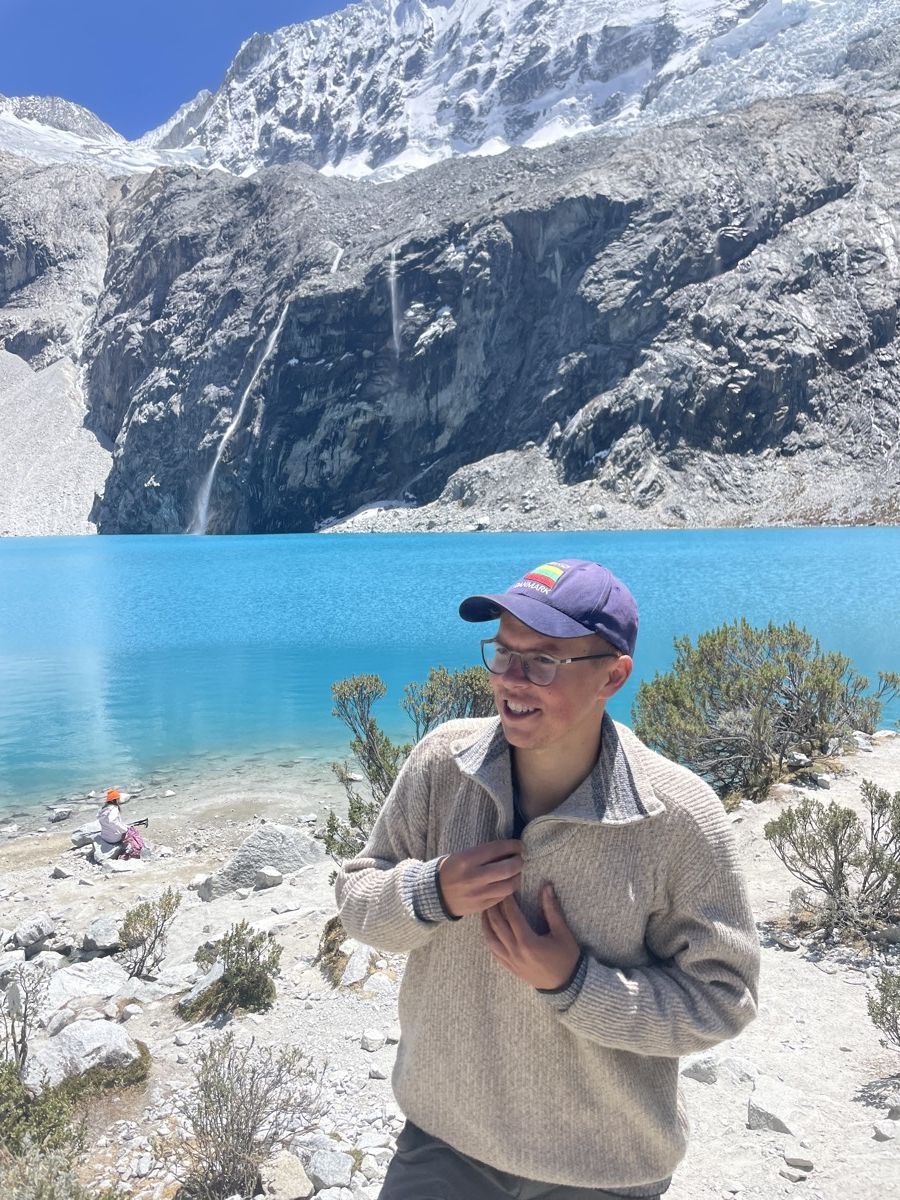
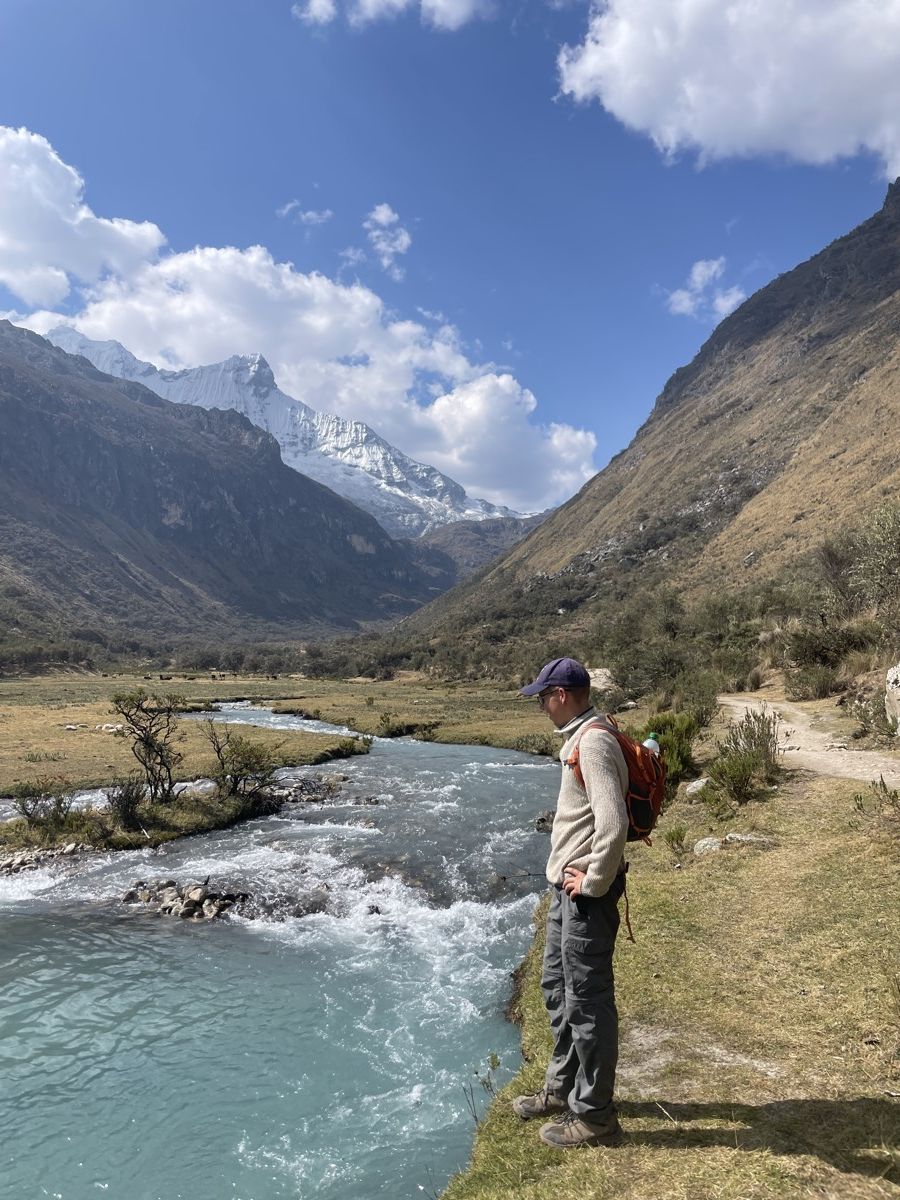
Then the Huaraz area. I spent more time here on my own and enjoyed it more for that reason — I got more in contact with locals. I met a young man who was half German, half Peruvian and we did day hikes together to mountain lakes, beautiful blue water and dramatic landscape. I tried heart on a stick for the first time, which led to a good conversation with a local. One day at the food market we talked to a young girl standing at her mother’s meat stall. She already knew everything about the different cuts and offal her mother was selling — confident, sharp, impressive. The kind of kid you’d want to support financially so she can study one day, where you know you can make a real impact. I’m currently working on getting back in contact with the parents to see what is possible — if you want to support this, you’re welcome to join.
Lake Titicaca
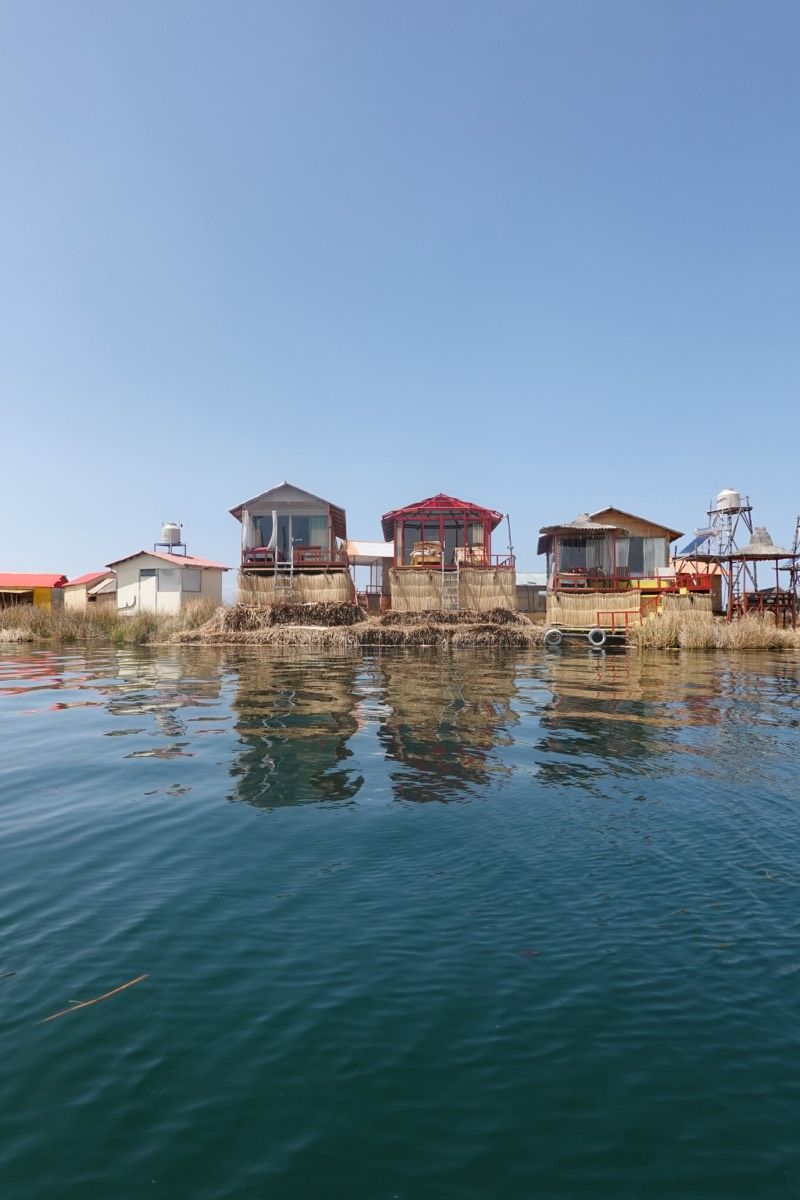
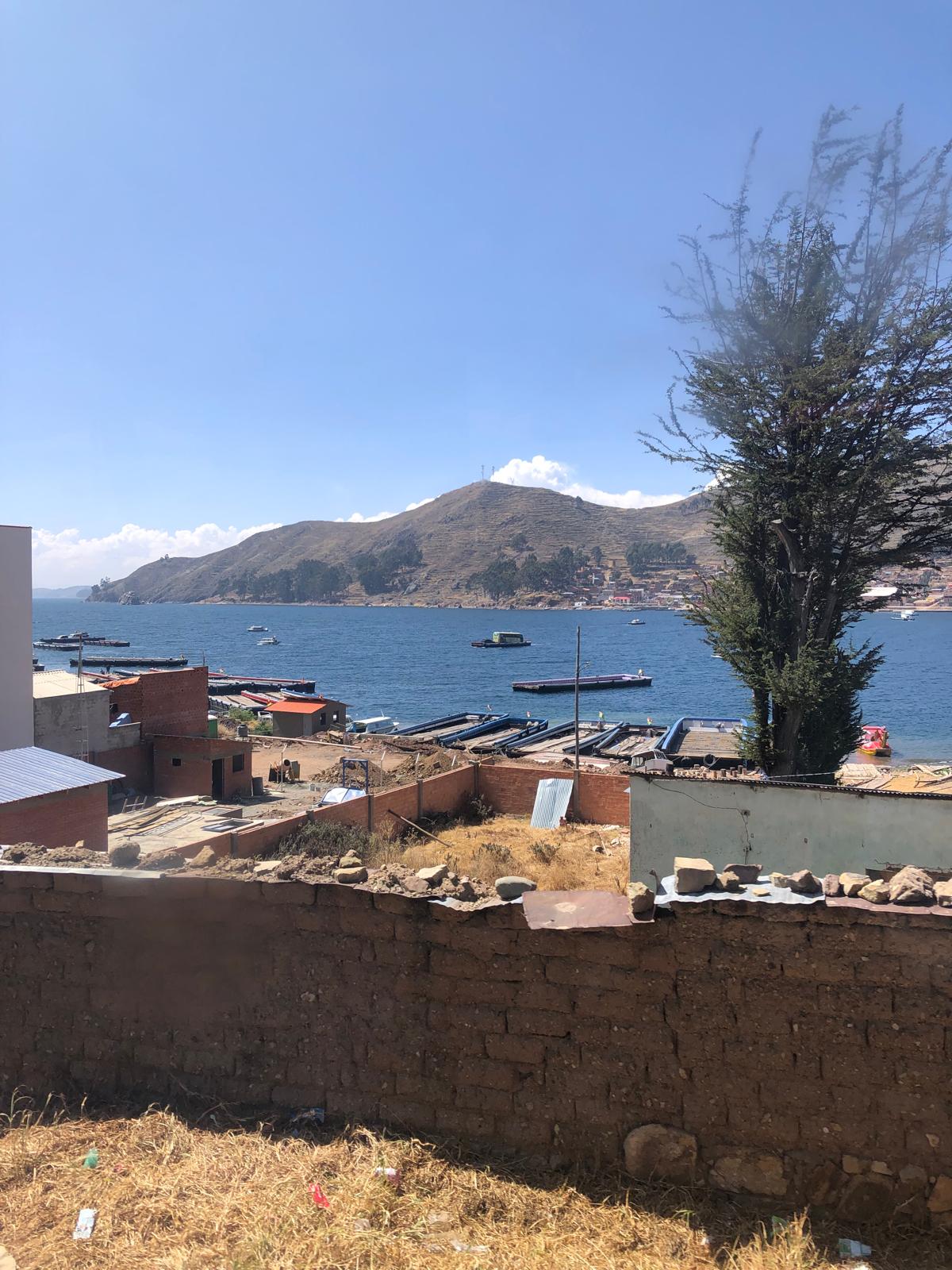
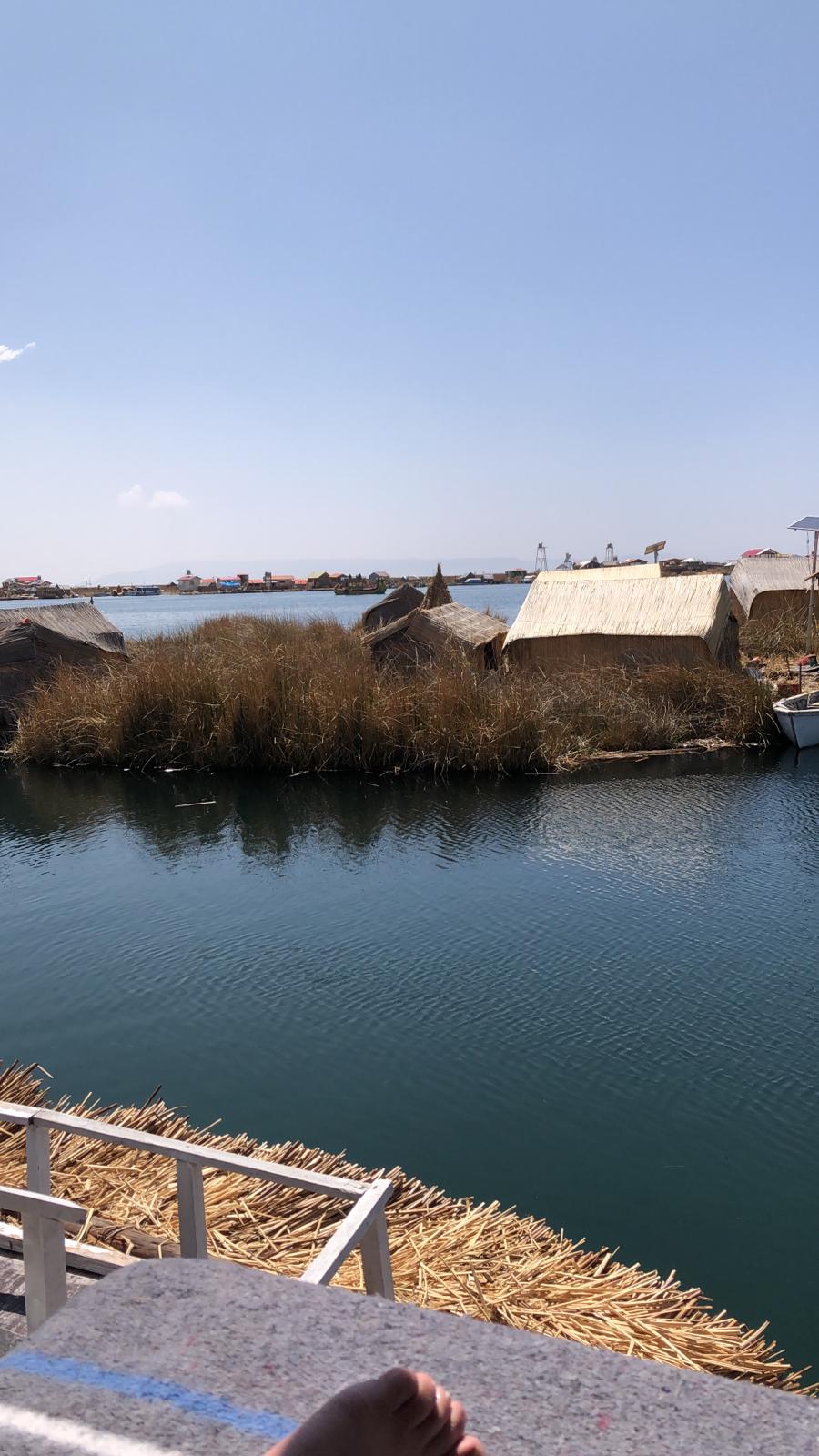
After the beautiful time in Huaraz it was time to head to Bolivia. Past Lima, the next stop south was Lake Titicaca. We stayed with a local family — simple but unique. But what stuck in my head even more was the bus crossing. After the border the road ends at a harbour where the lake narrows. You get off the bus and board a small passenger boat — while watching your bus drive over thin wooden planks onto a separate boat that barely has enough room to walk around it. Small engine, wind whipping across the narrow stretch of water, and a bus providing the perfect sail area for that wind to send the whole thing rocking. That’s when you understand why you had to get off. And from there you just hope the bus — with everything you own inside it — makes it safely across.
Bolivia — La Paz
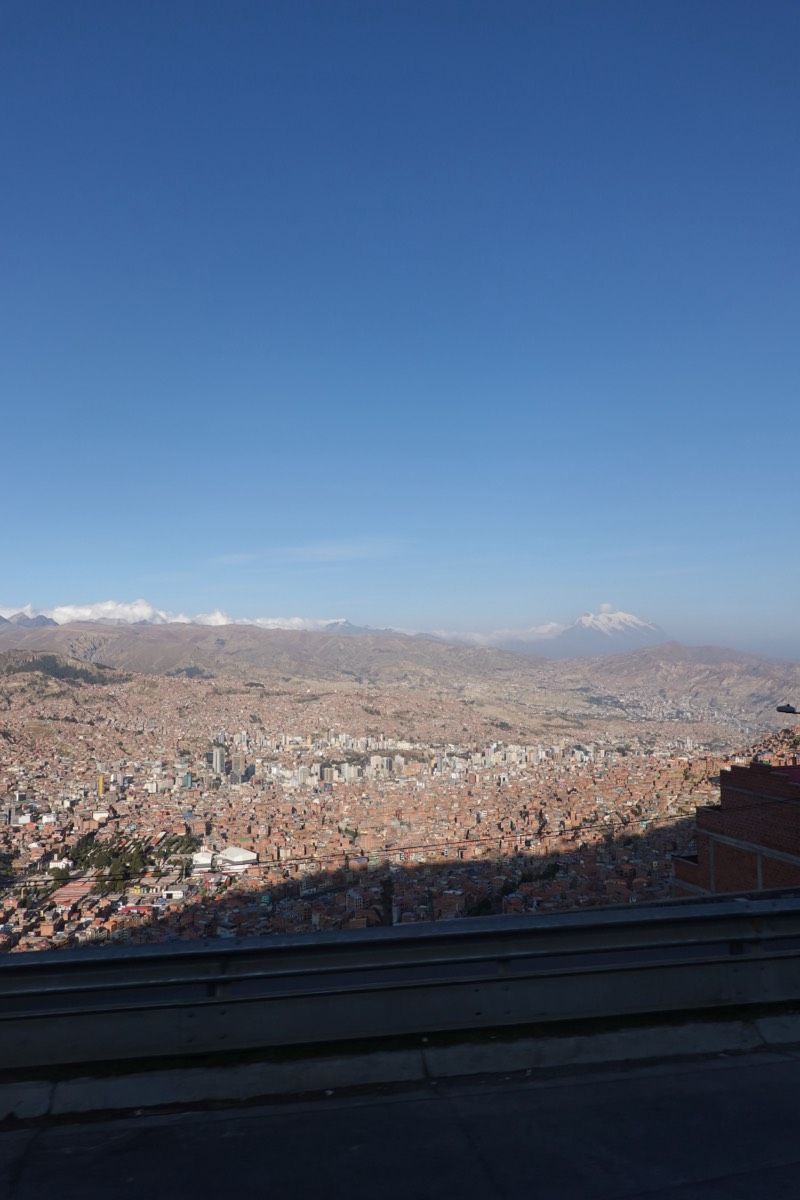
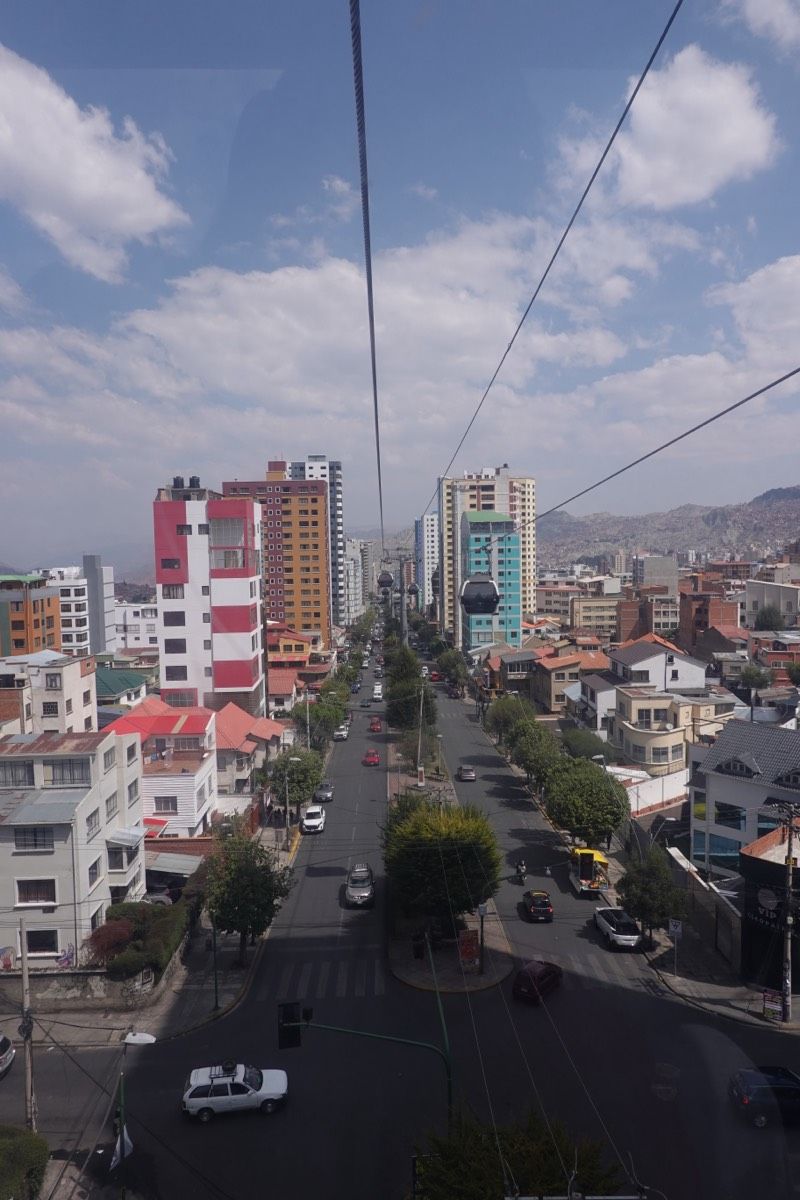
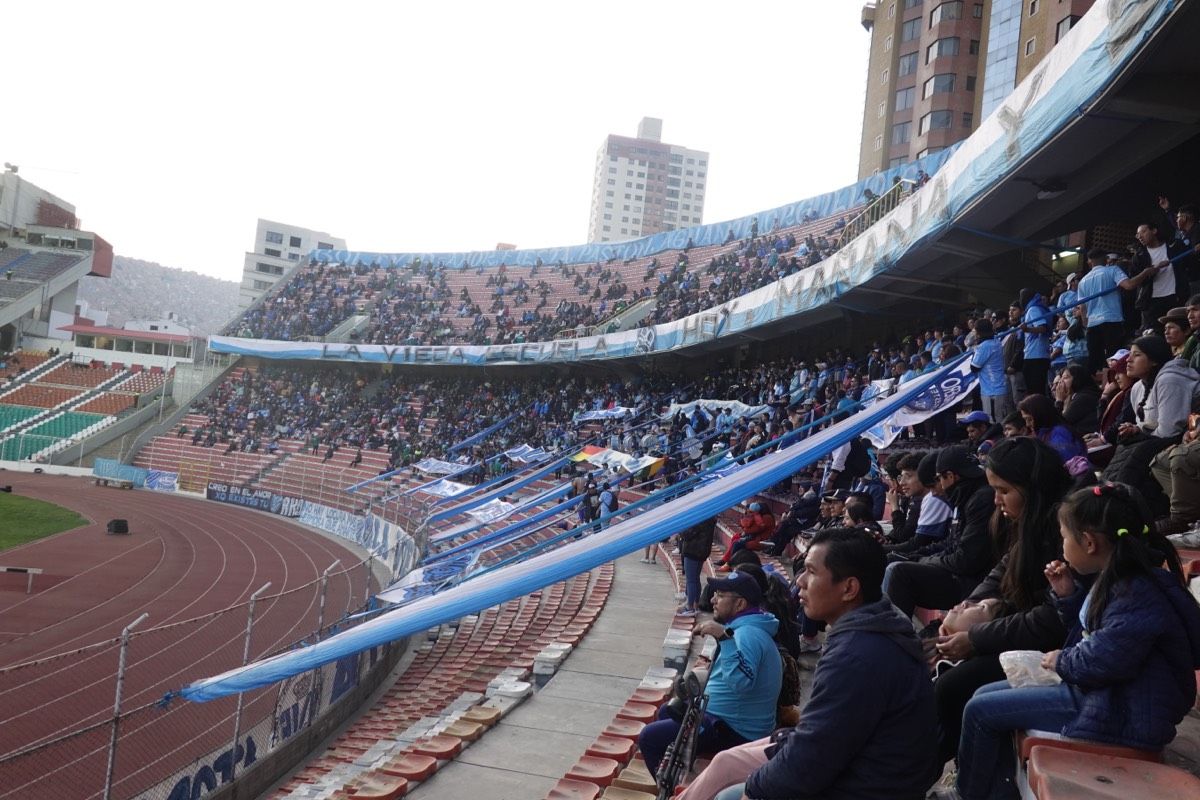
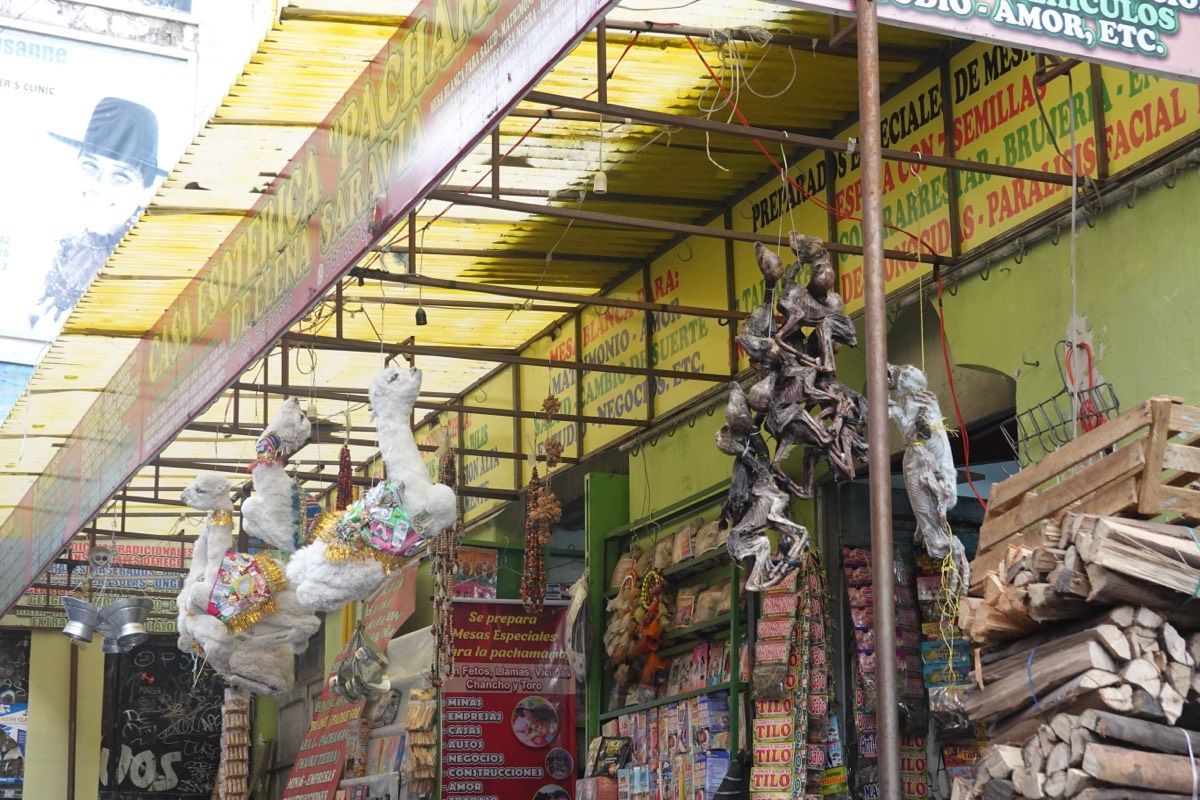
Into Bolivia. La Paz — the capital city, with a nearby neighbourhood that’s recommended not to visit without a guide. We got a preview of that immediately, as our bus ride went straight through it on arrival. Struck by the density of it all — the traffic, the noise rushing through narrow streets — we arrived and stayed in a small flat with a nice view over the city. The city has a remarkably well-run cable car system. Impressive to learn that this development cut waiting times during rush hour from 90 minutes to sometimes less than 15. We explored the different areas of the city, watched a football match in one of the highest stadiums in the world — loud, chaotic, completely different to anything in Europe, but impressive how a small group of fans can give a big stadium such a great atmosphere. We ate at Gustu, one of the best restaurants in South America. First Michelin-star experience for me. Worth every peso. We also spent time eating Bolivian popular food — just as good, but far cheaper.
Huayna Potoşí
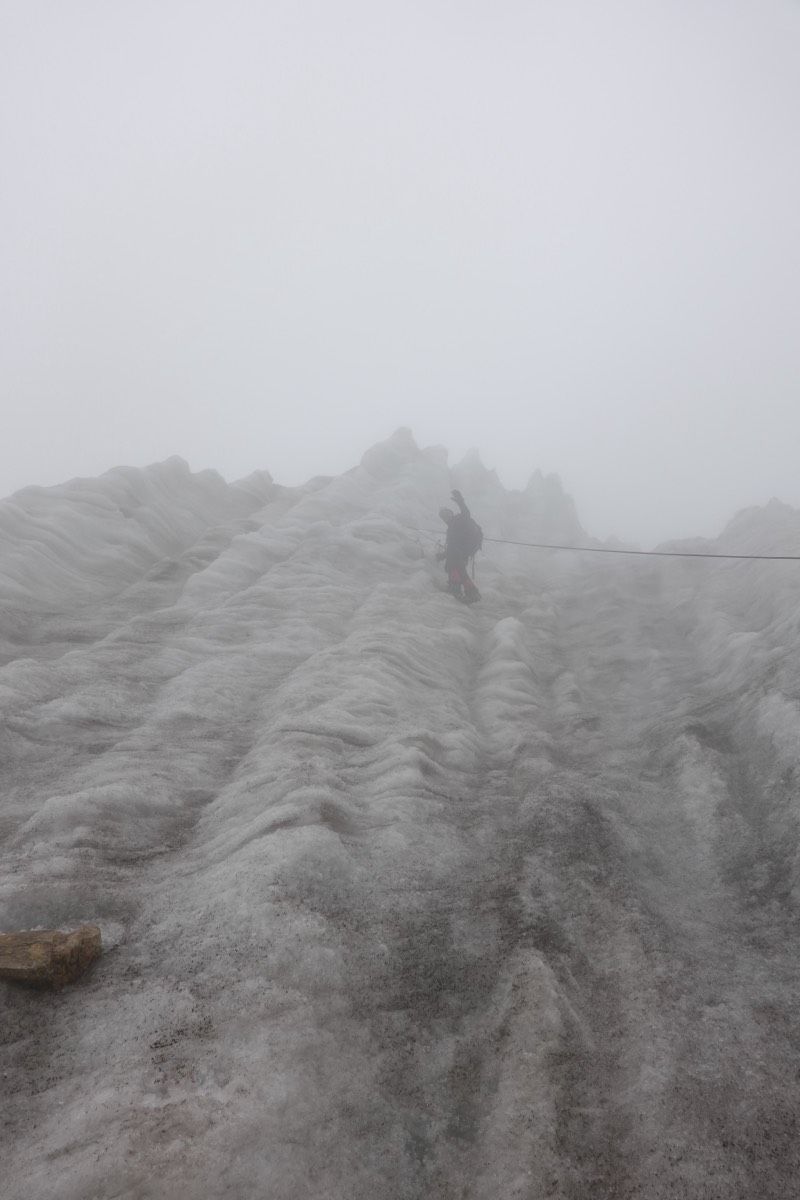
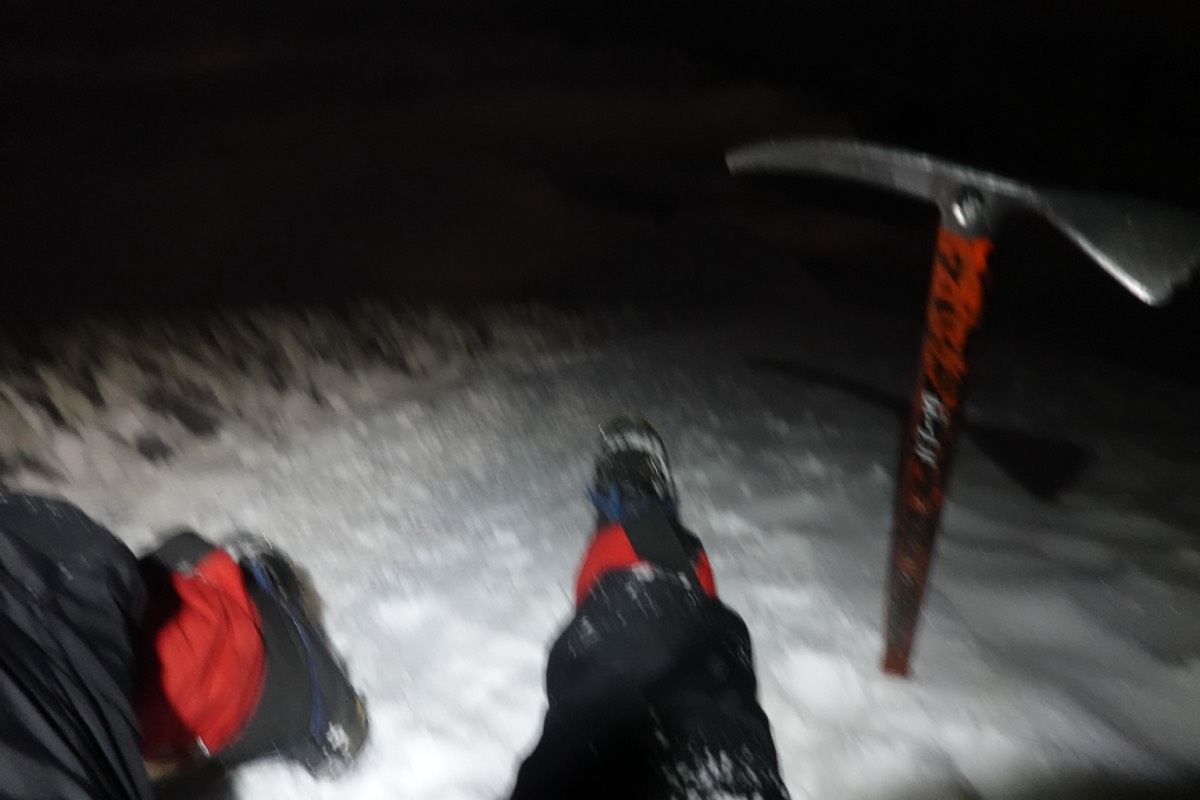
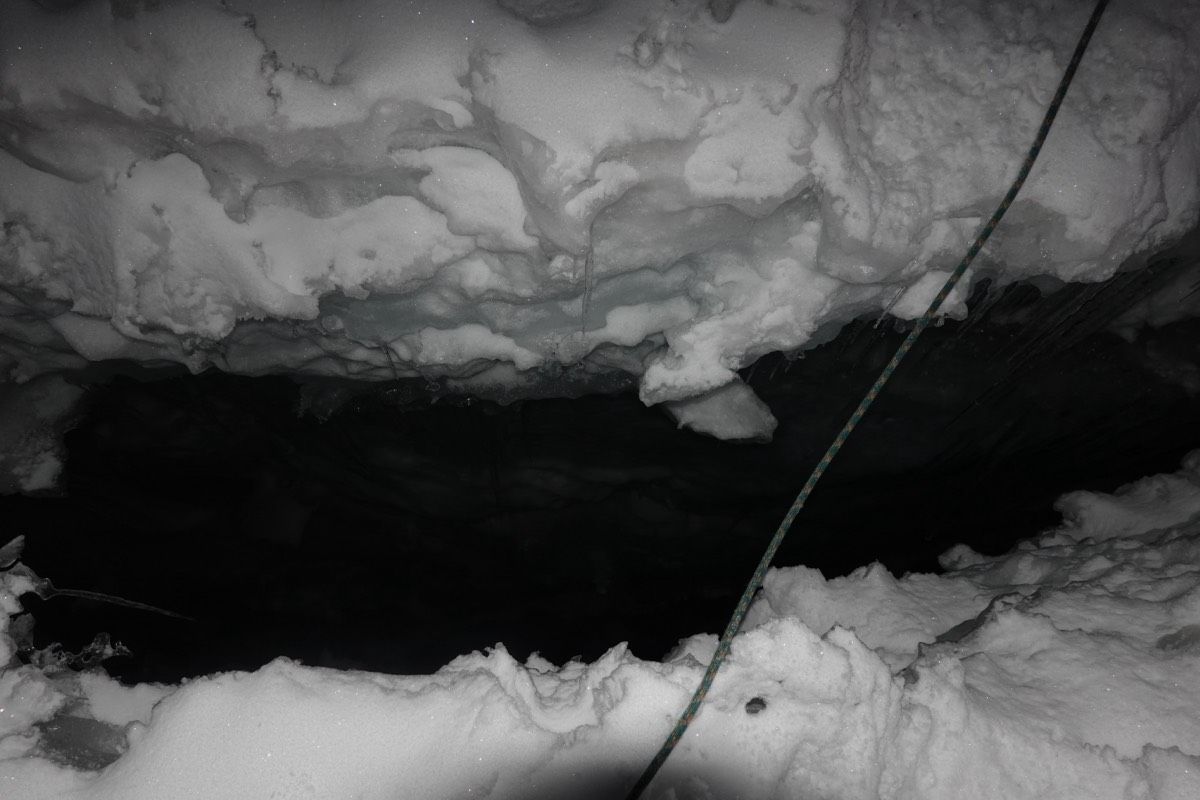
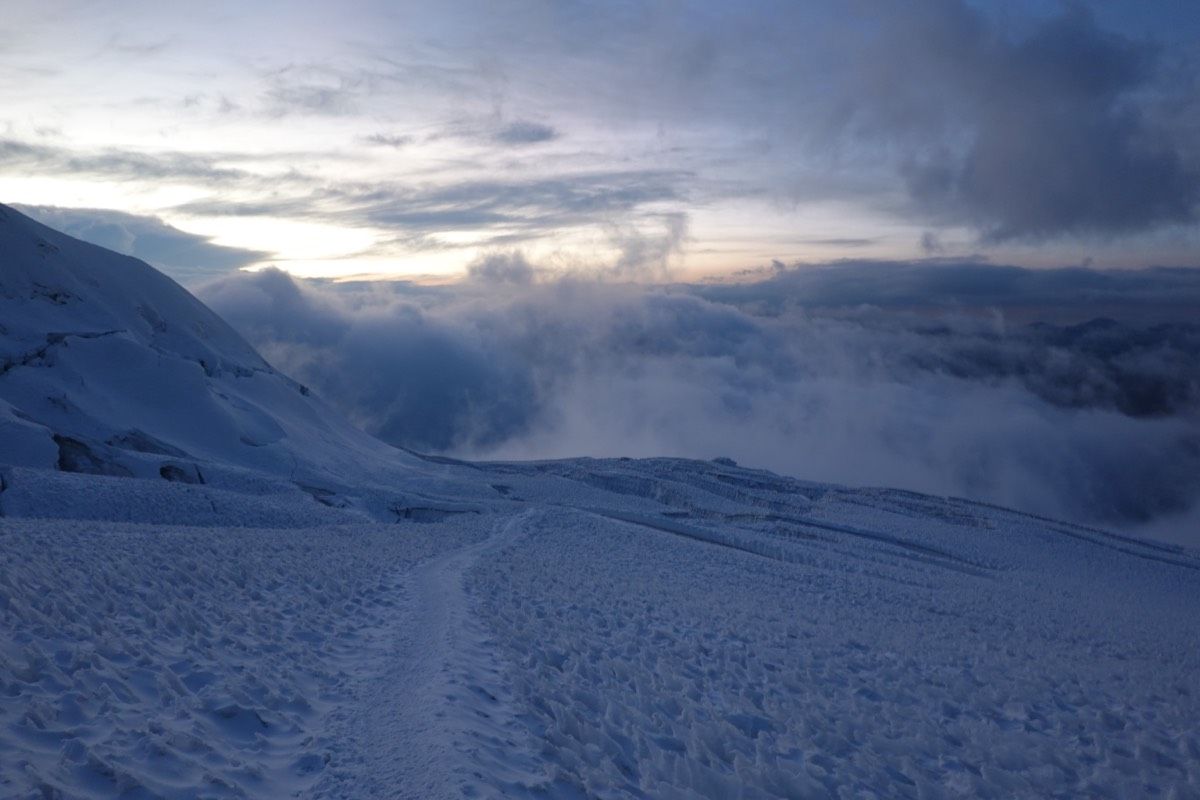
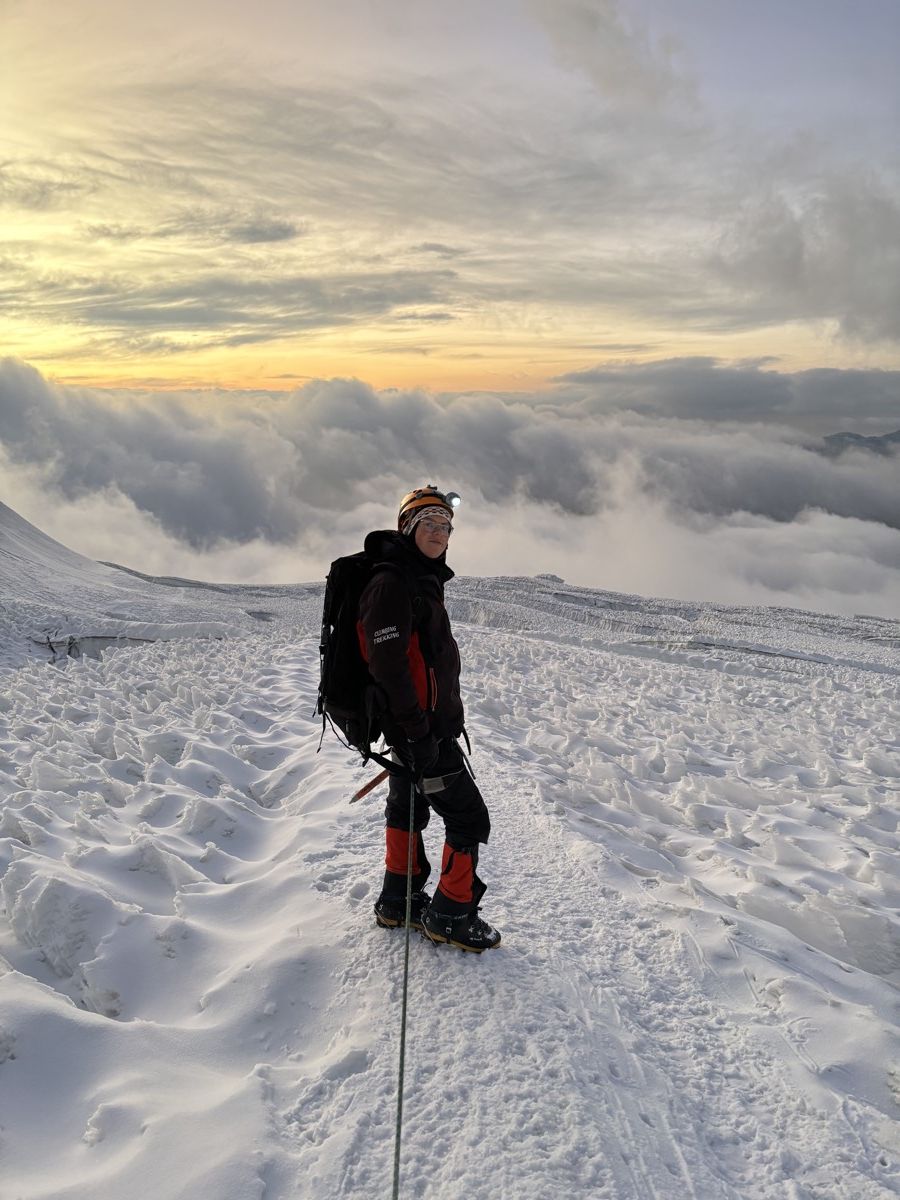
We attempted Huayna Potoşí, 6,088 metres. We didn’t make the summit — poor guidance from our guide and altitude sickness forced a turnaround. But I understand my body better now. The breathing technique and the physical experience give me confidence I can reach a 6,000 metre peak one day. I know I’ll try again.
The Amazon
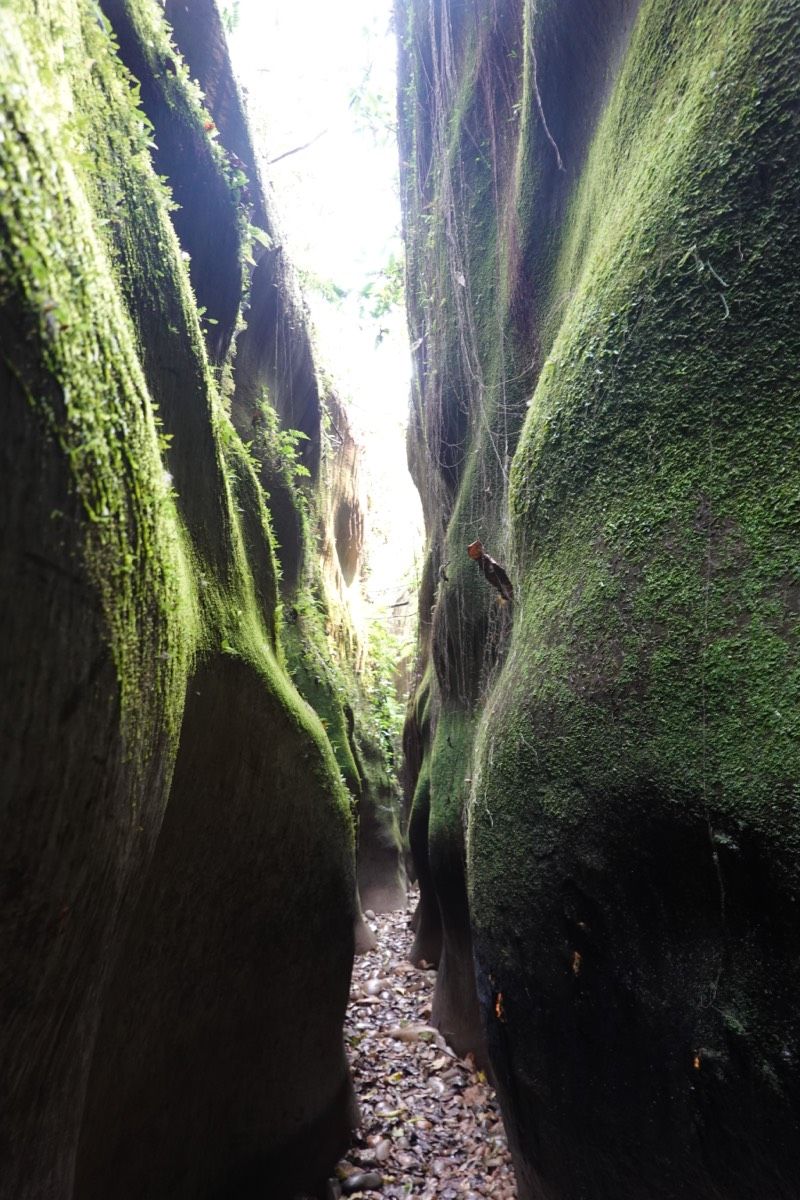
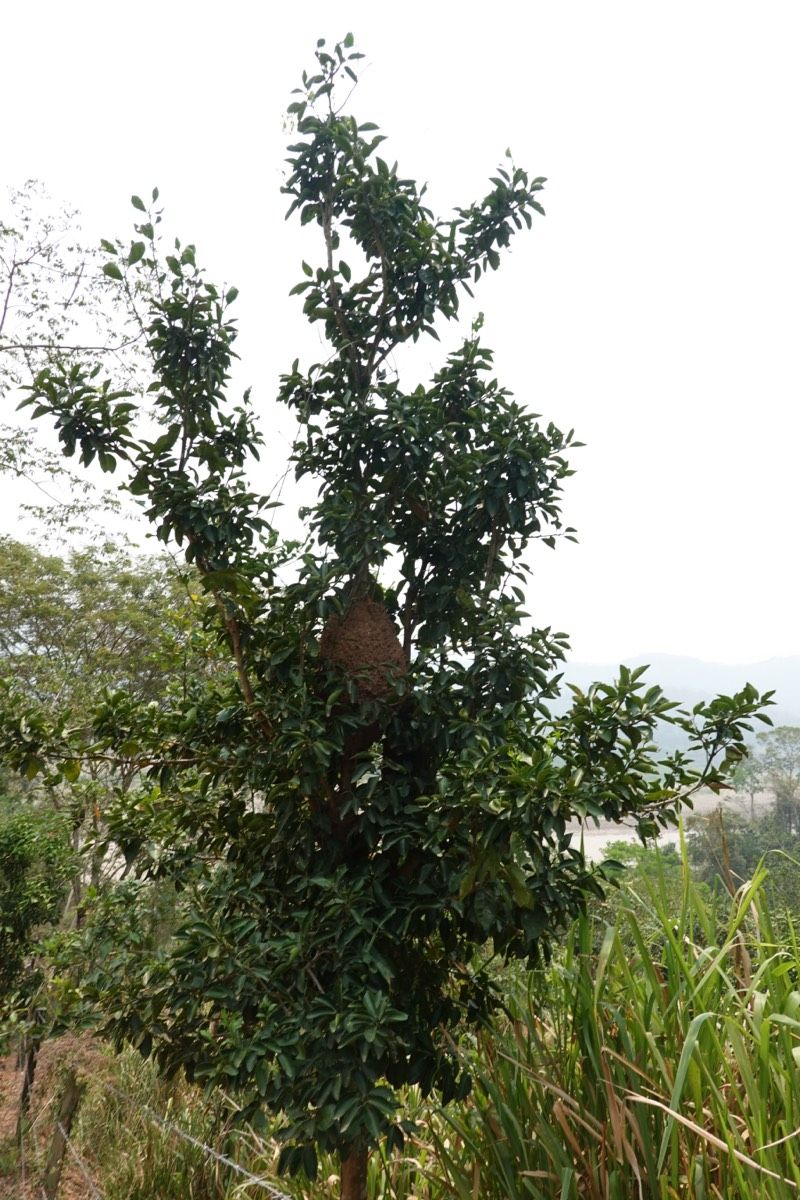
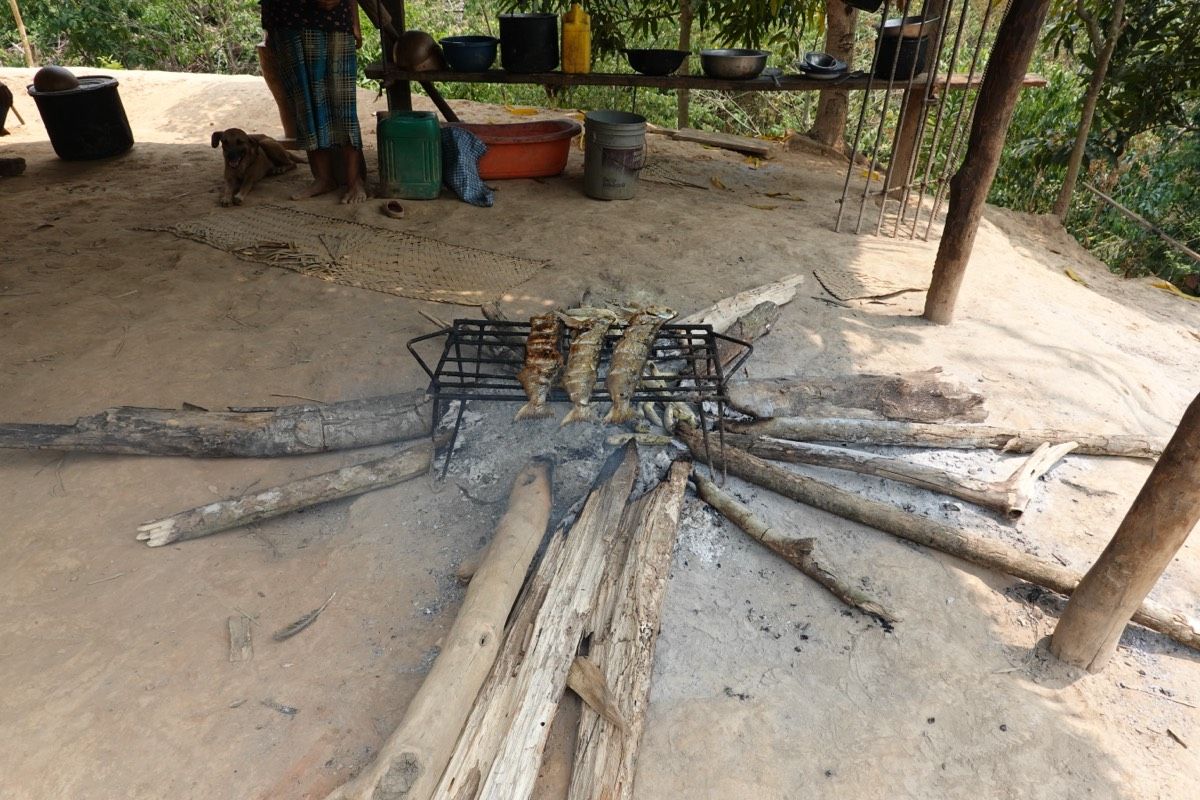
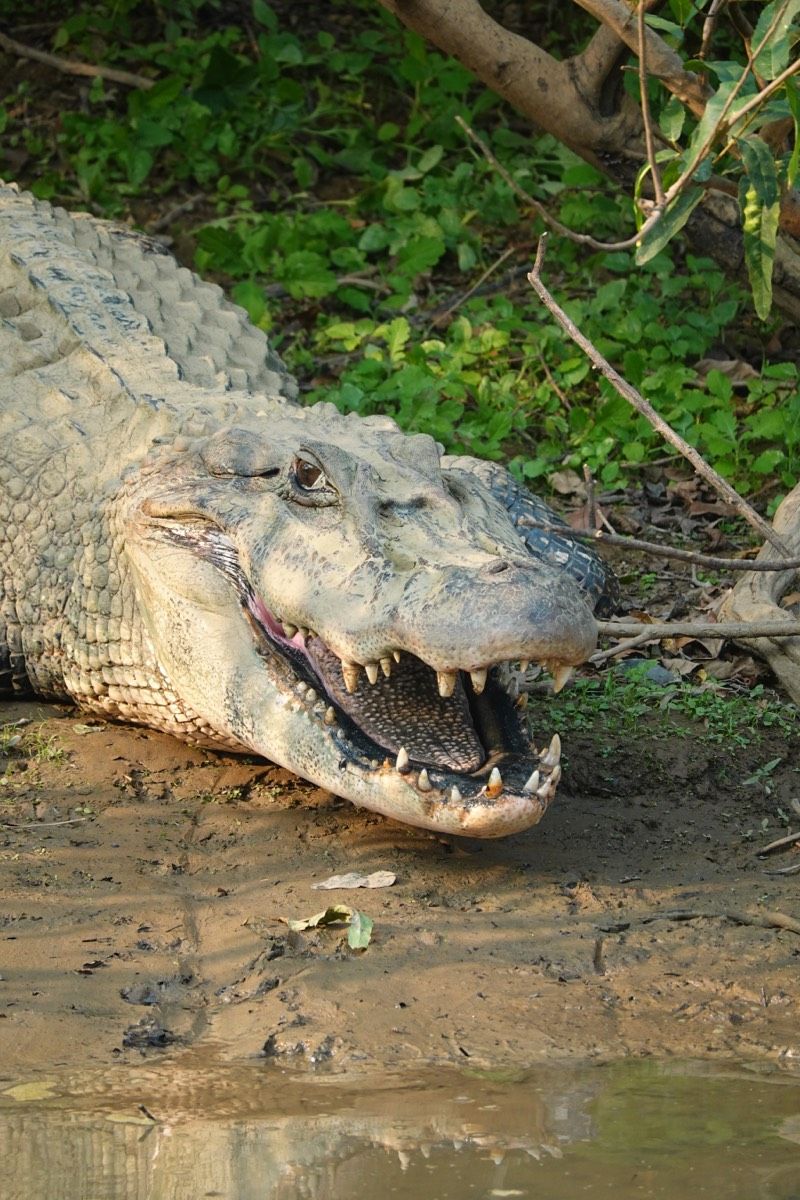
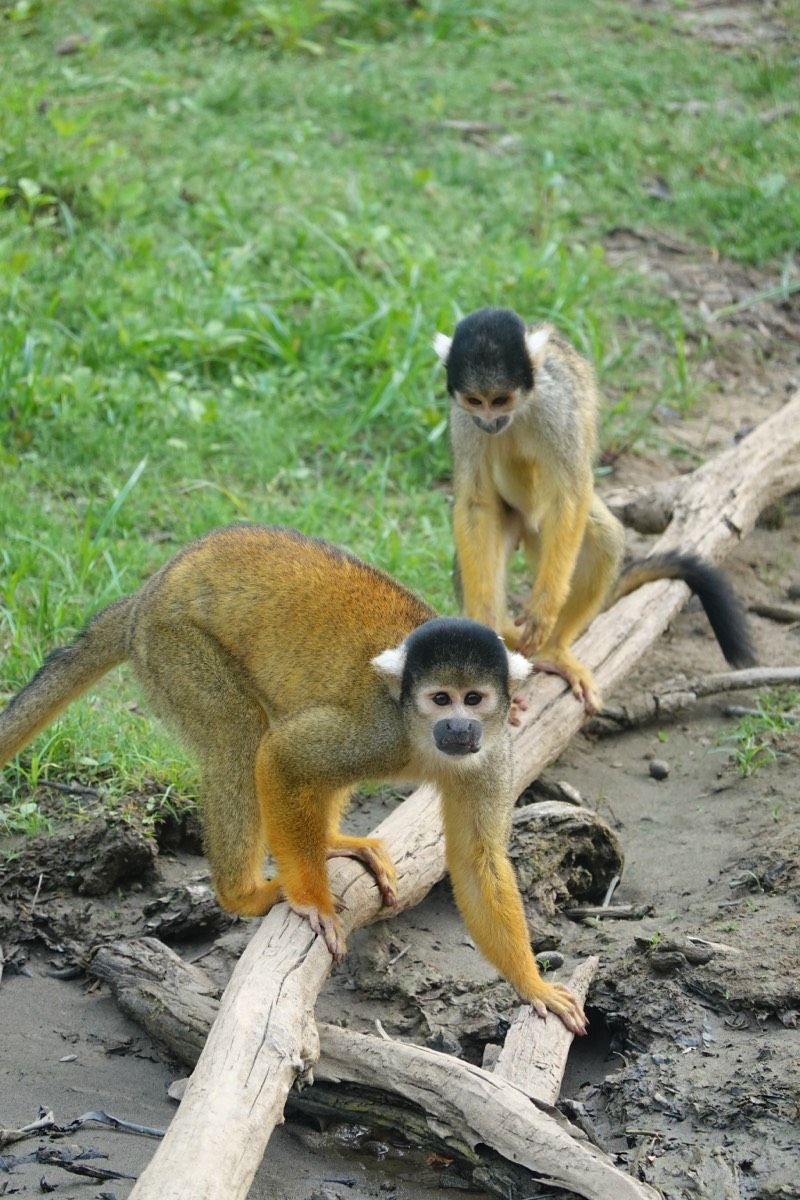
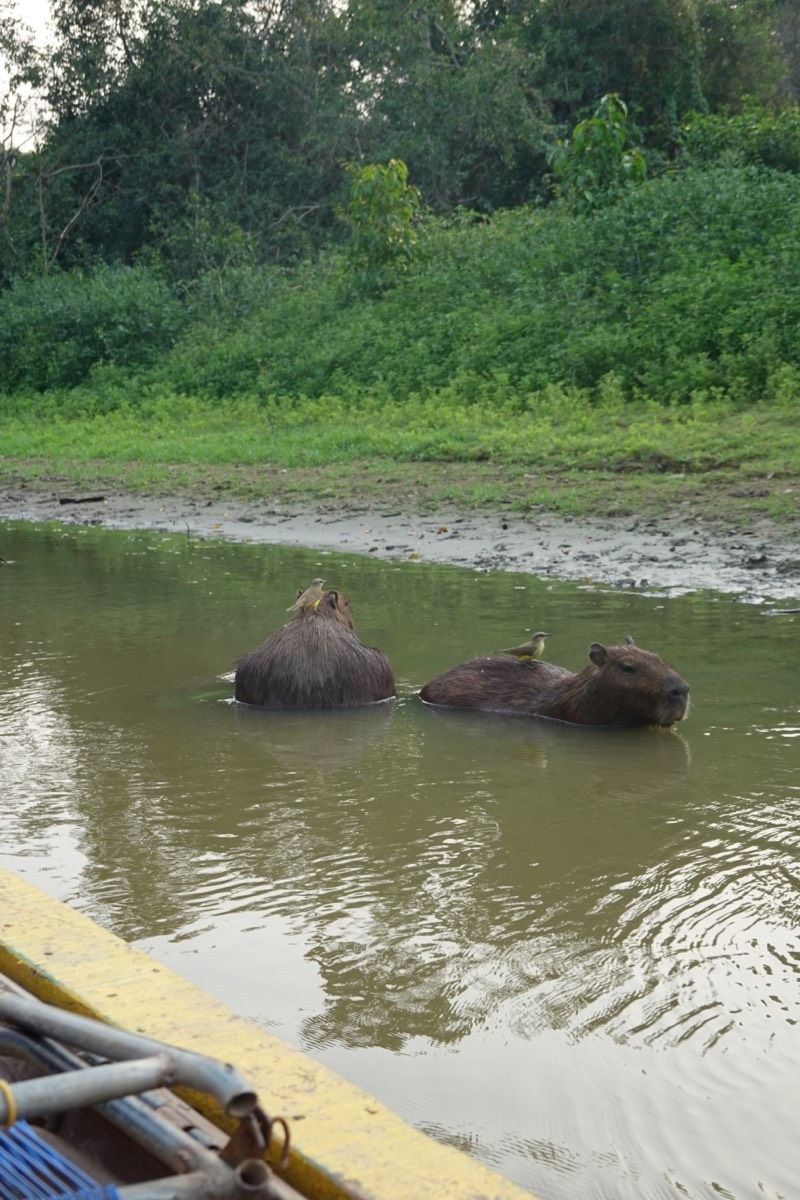
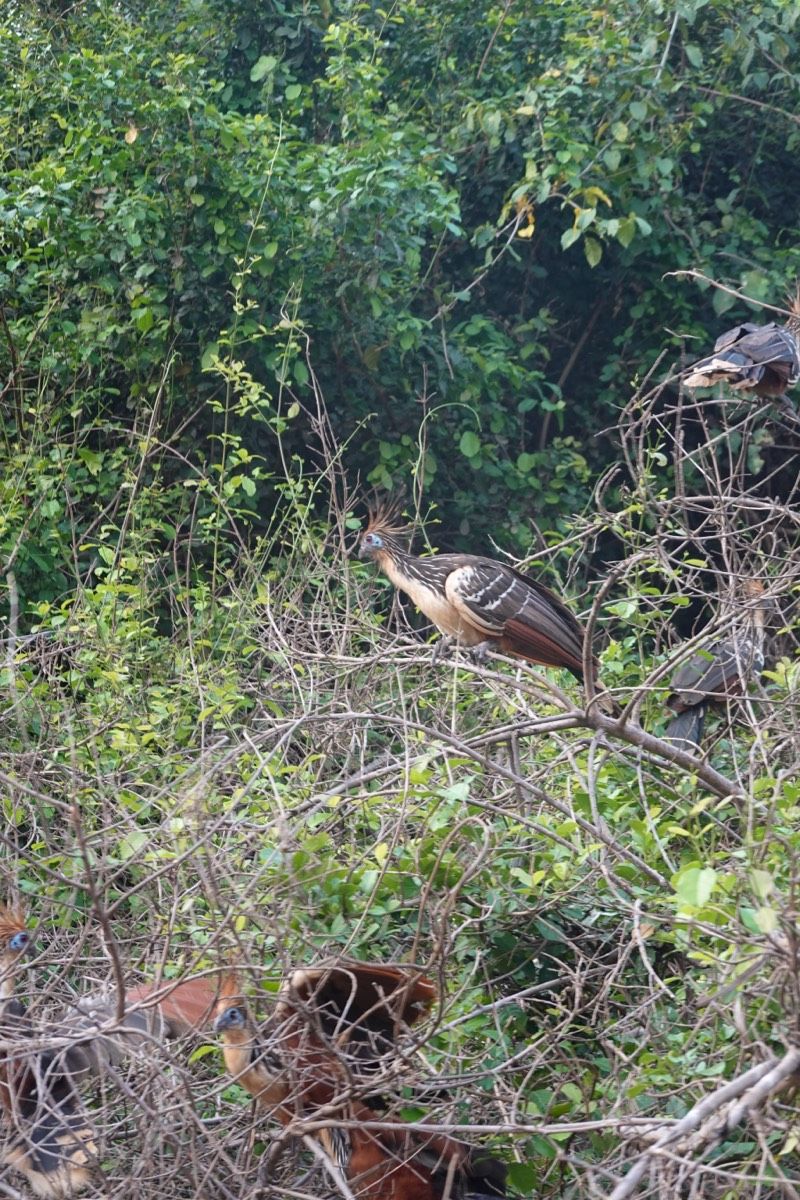
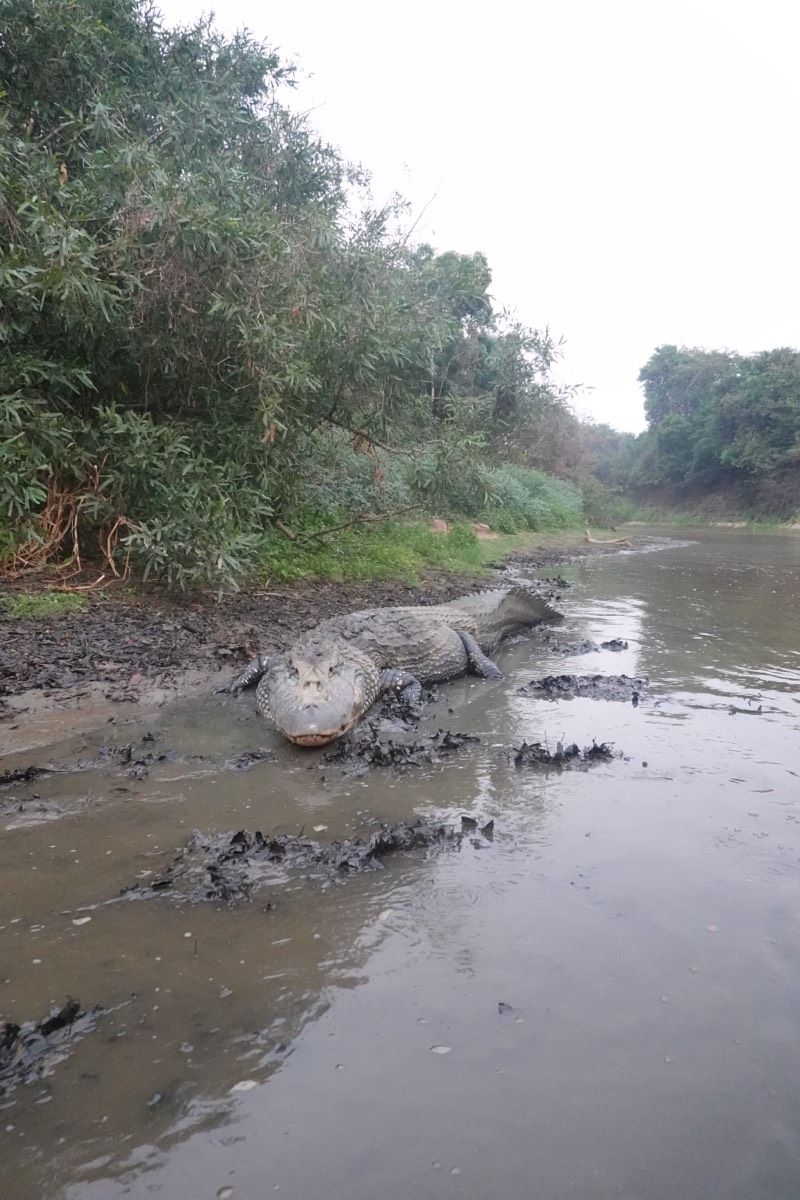
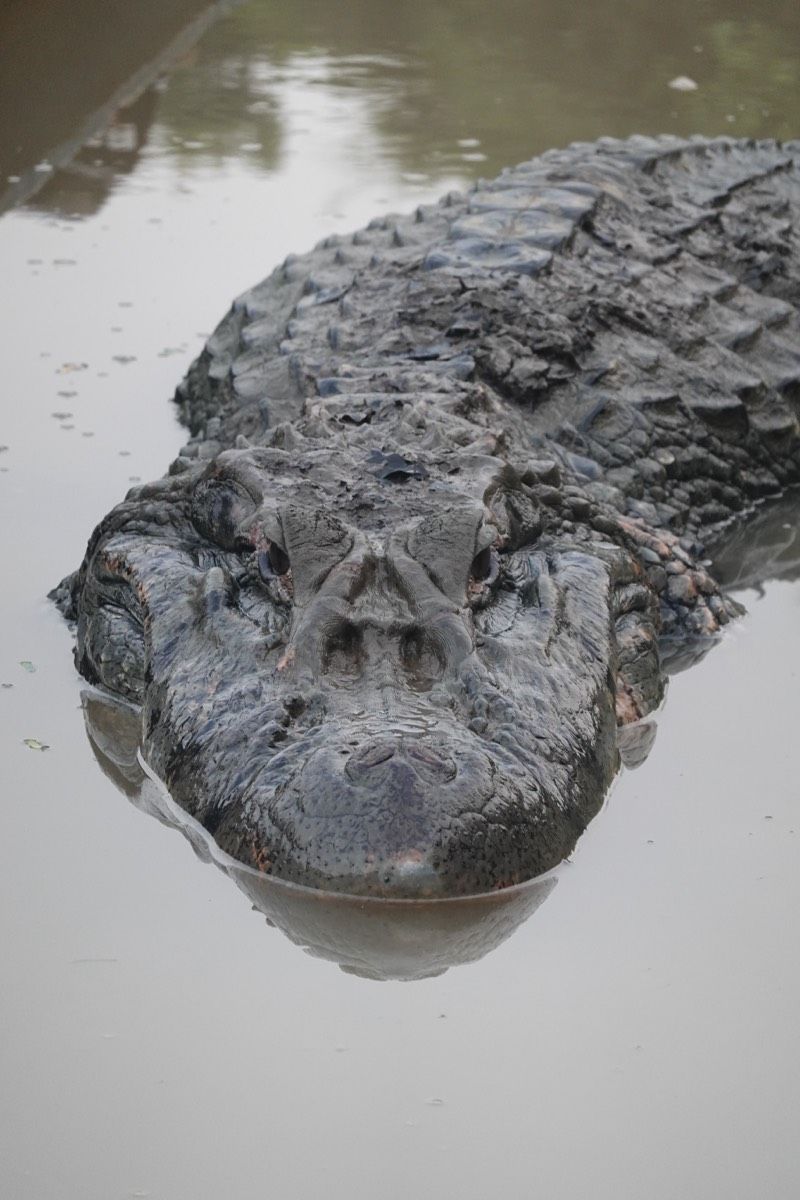
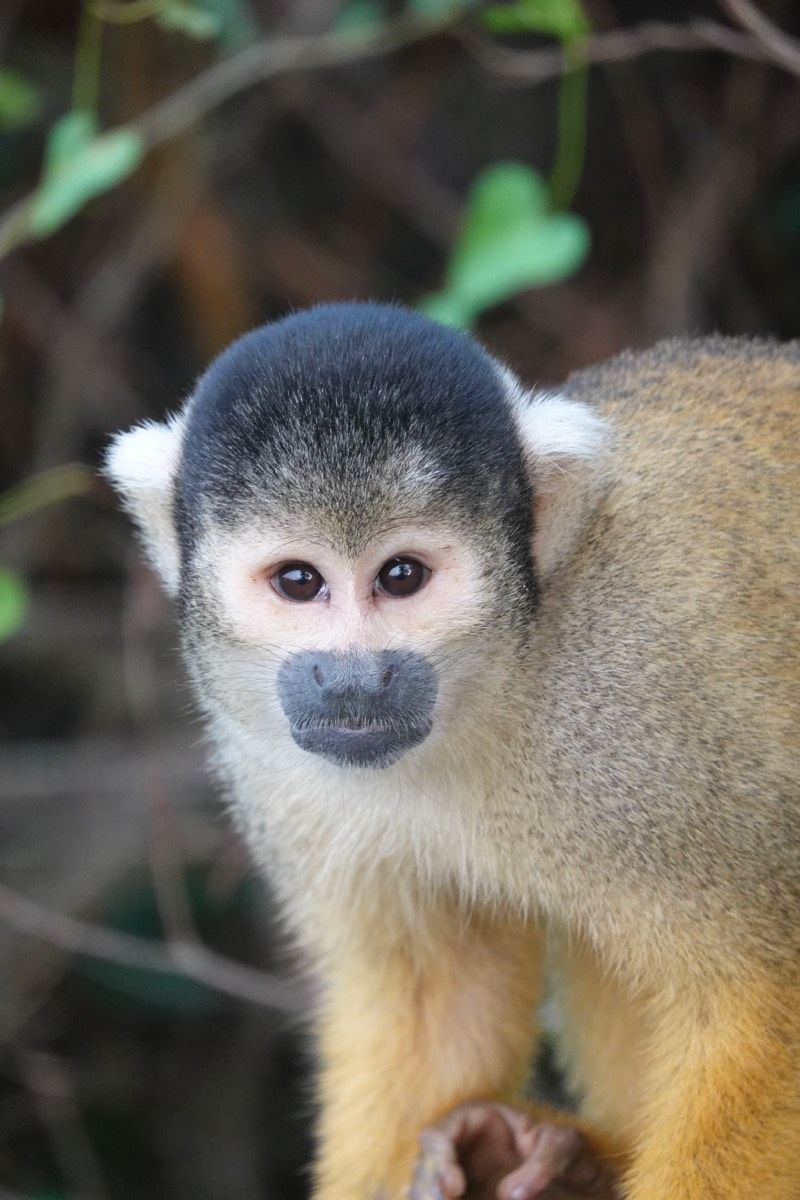
After the 6,000m attempt we headed into the Amazon to explore the jungle — piranha fishing, and swimming with pink river dolphins, which nearly led to an unexpected encounter with caimans. During that time the political situation escalated. When we were about to leave, the protesters had built blockades on the main roads in and out of the region. Planes were full. We were stuck in a small village with no obvious way out. Eventually we found a path through — taxis between the blockades on foot, then a bus in the middle of the night. Tense, uncertain, a foreign country with no reliable information. What helped was my experience in Thailand in 2020 — being completely on my own, cut off, watching the world shut down around me. That taught me to stay calm, trust my own judgement, and find a way through when the official information is useless. It worked again here.
Salt flats
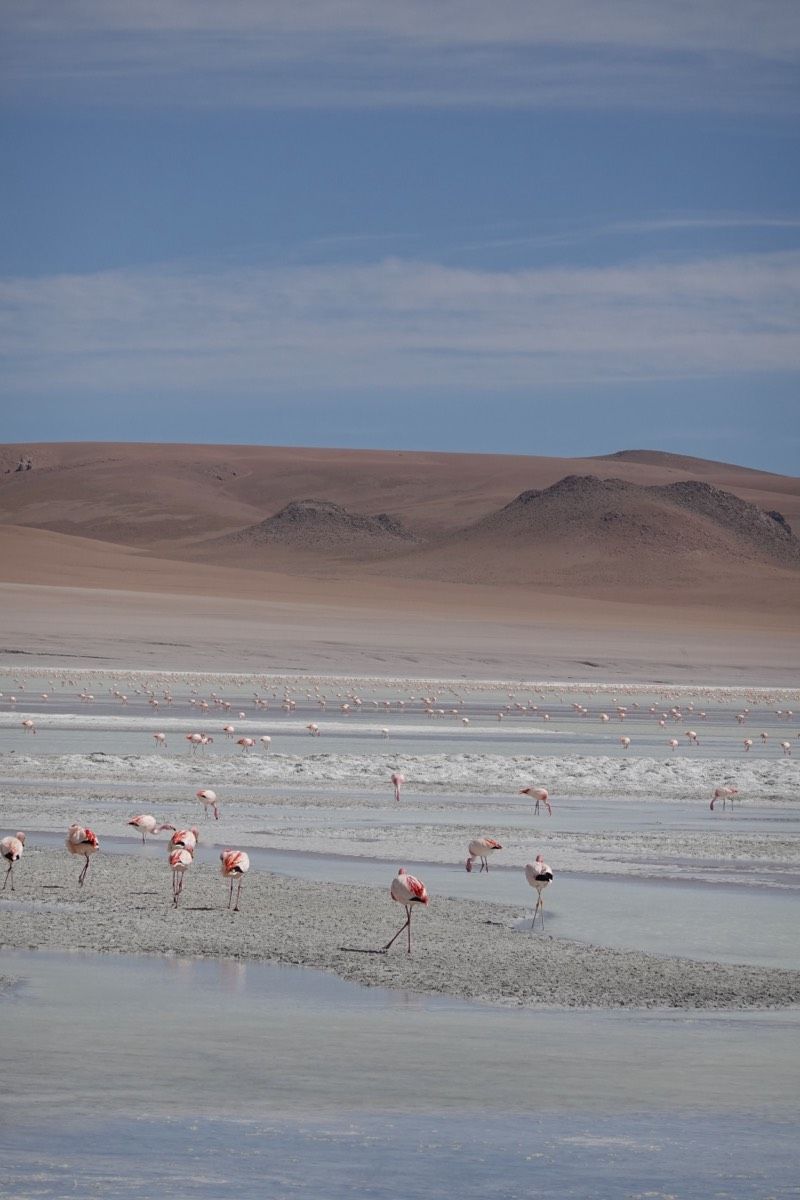
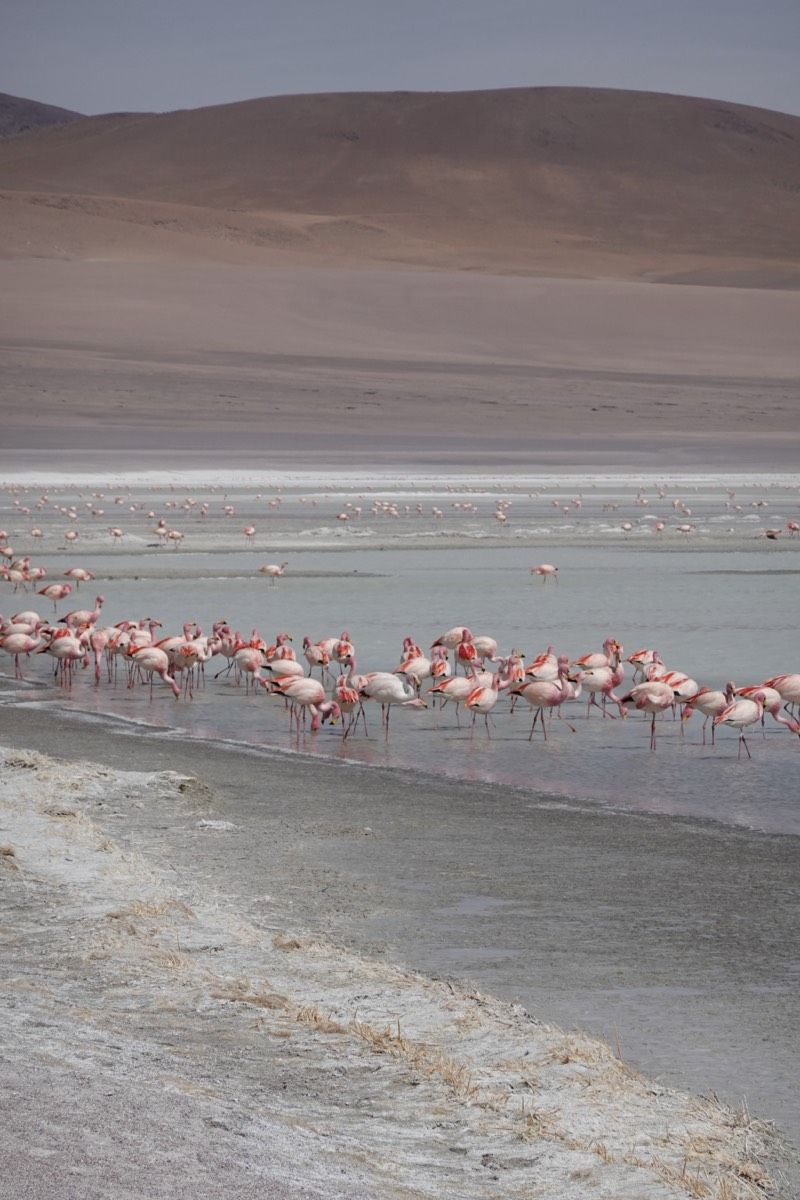
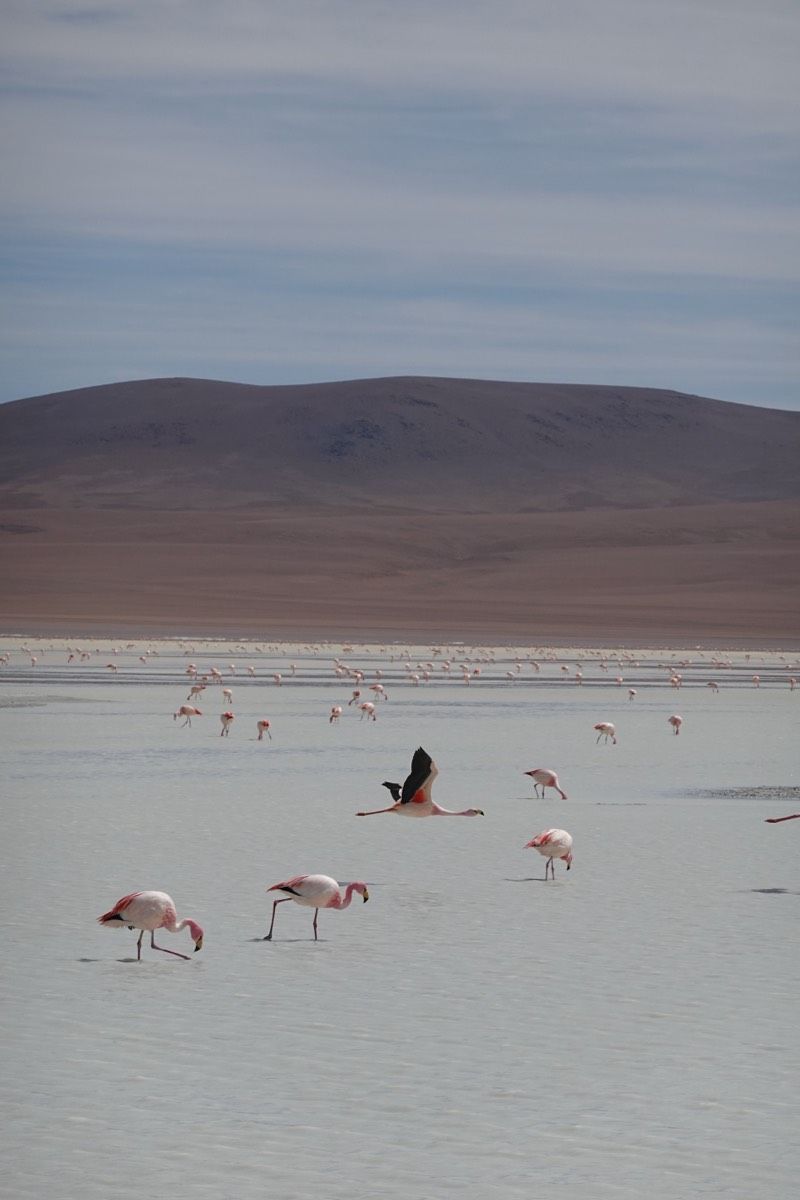
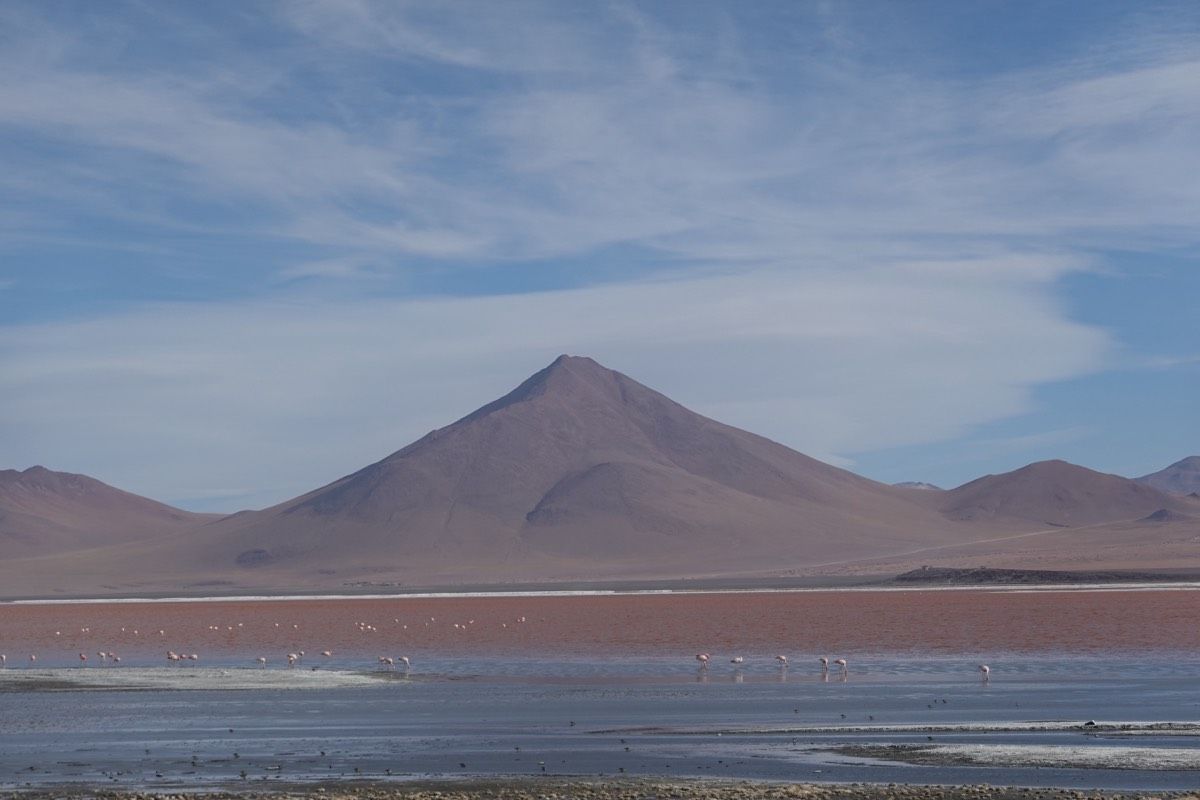
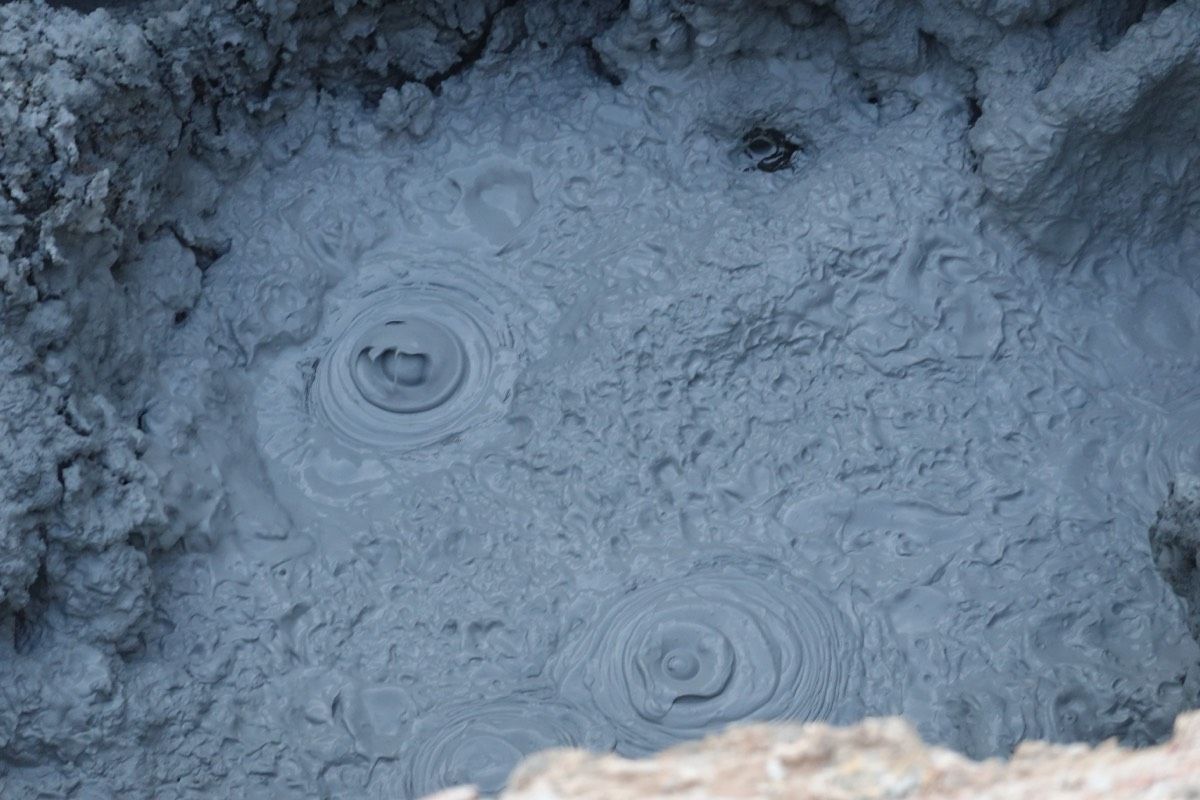
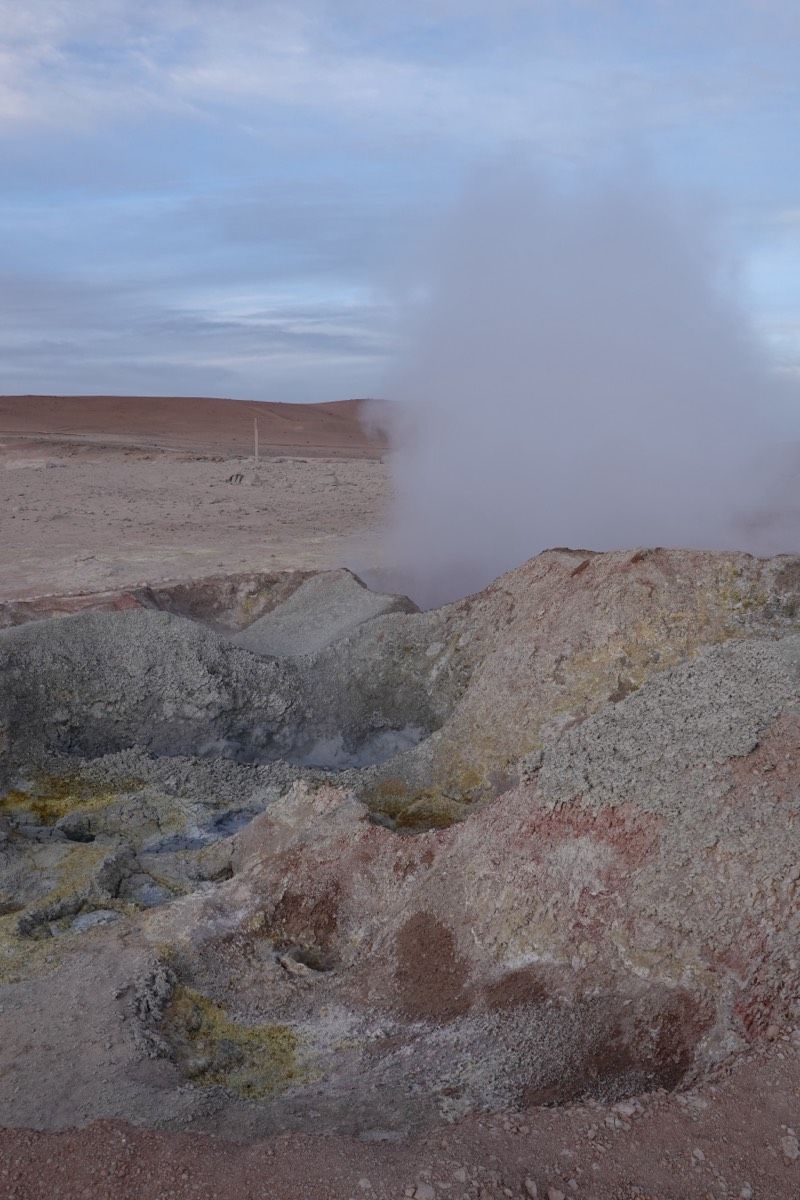
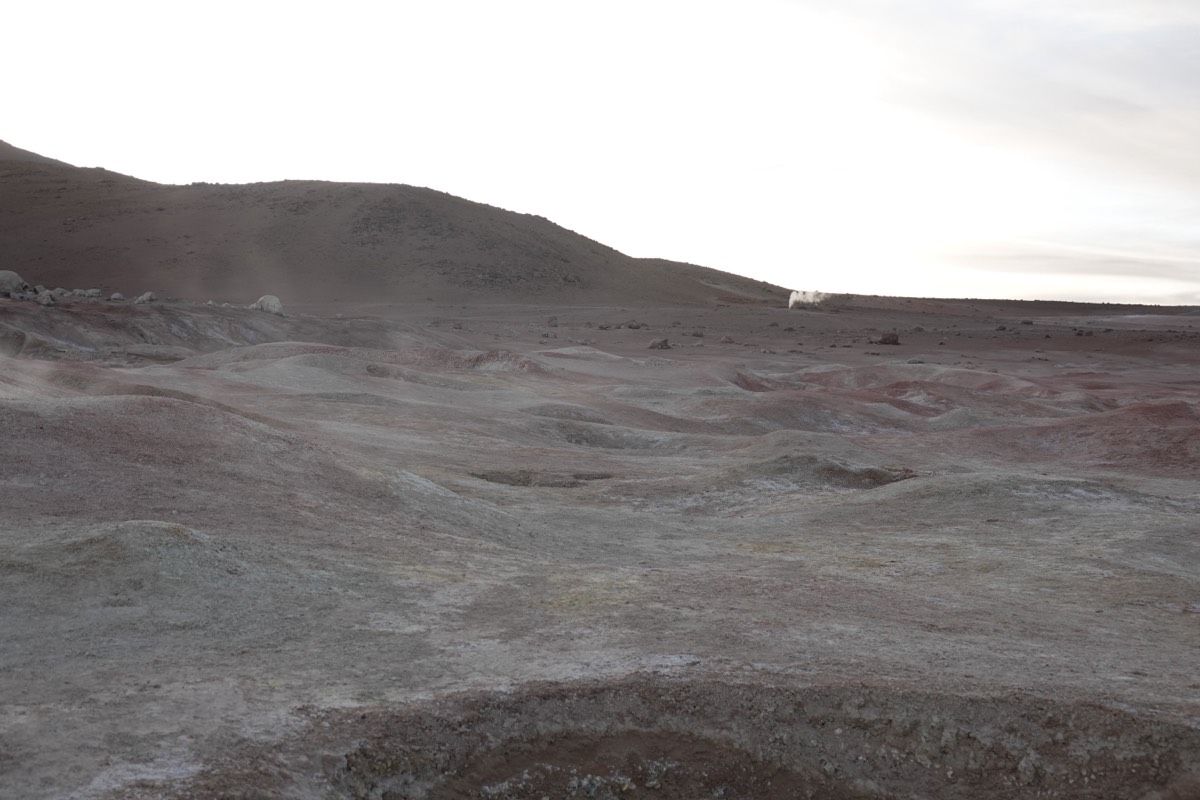
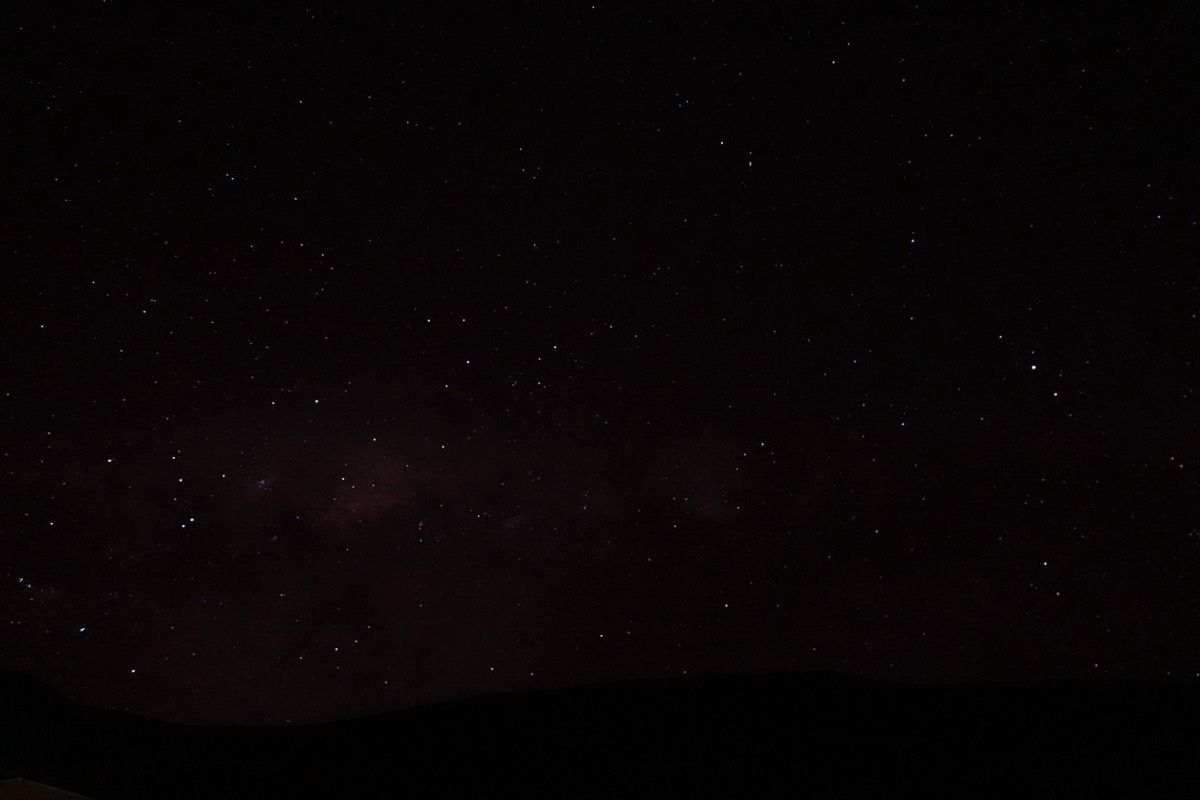
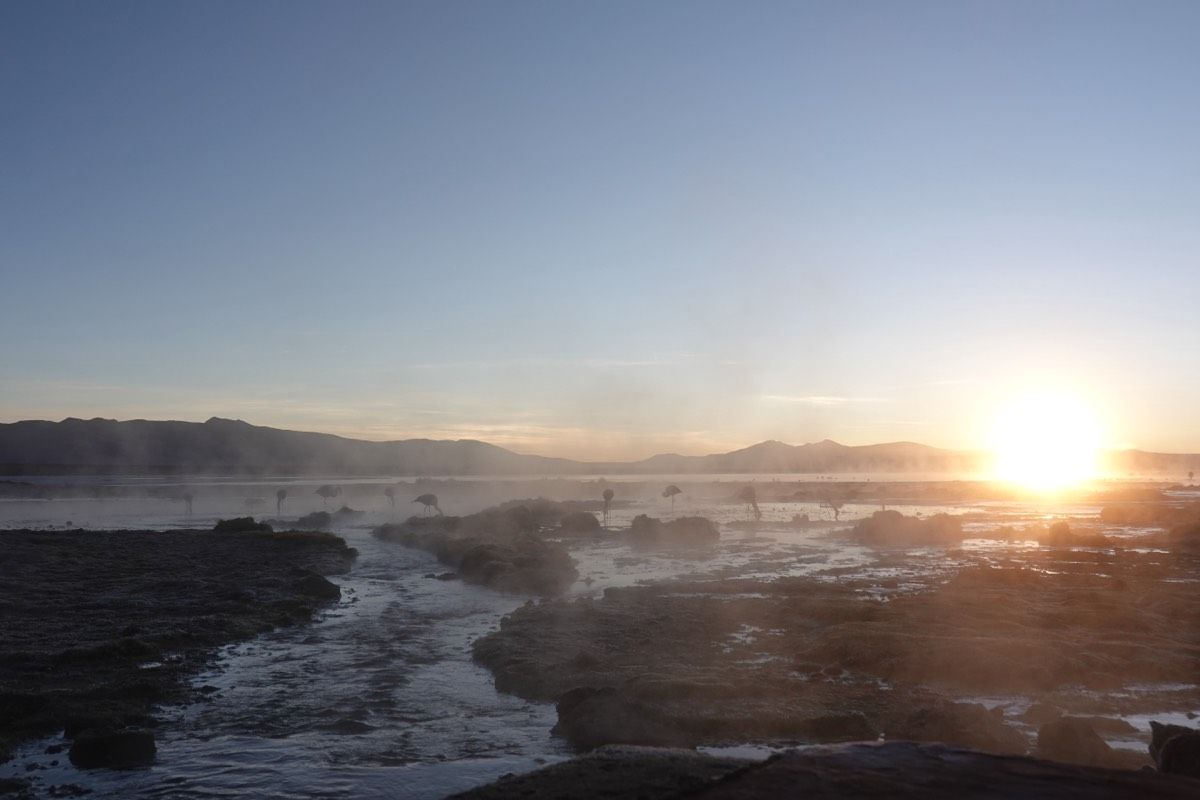
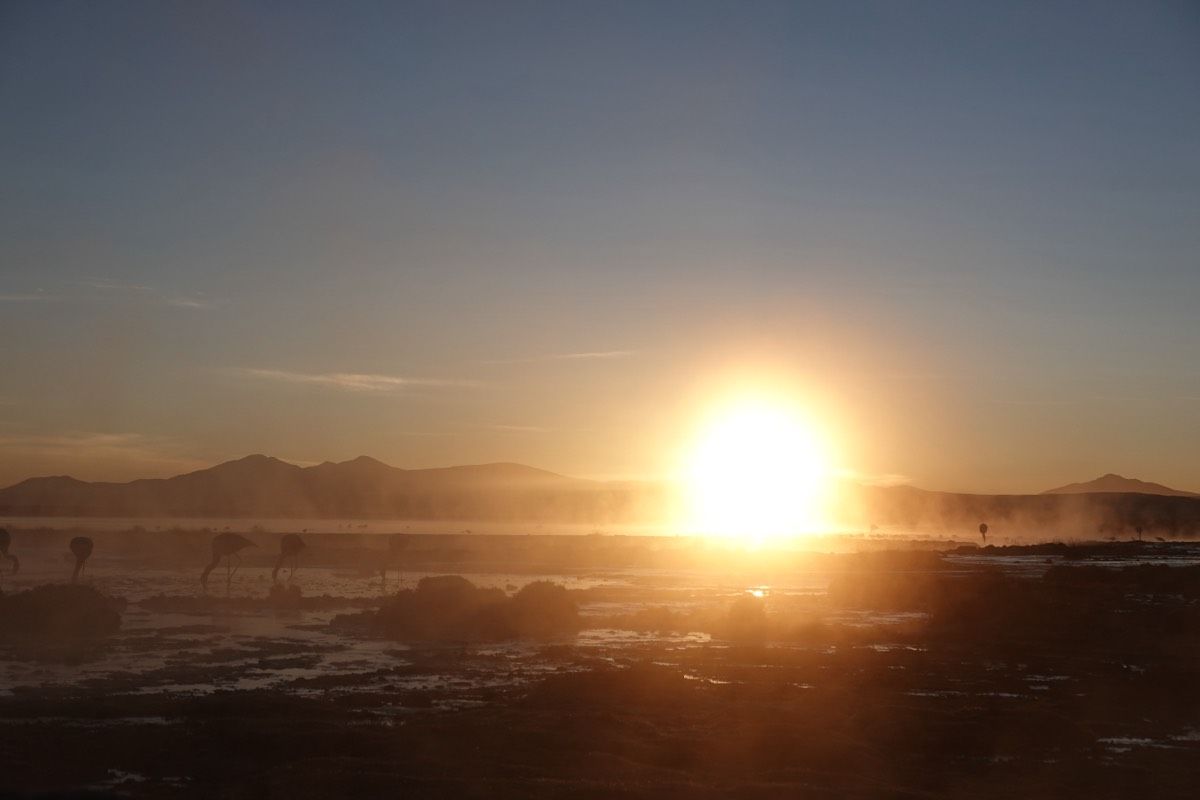
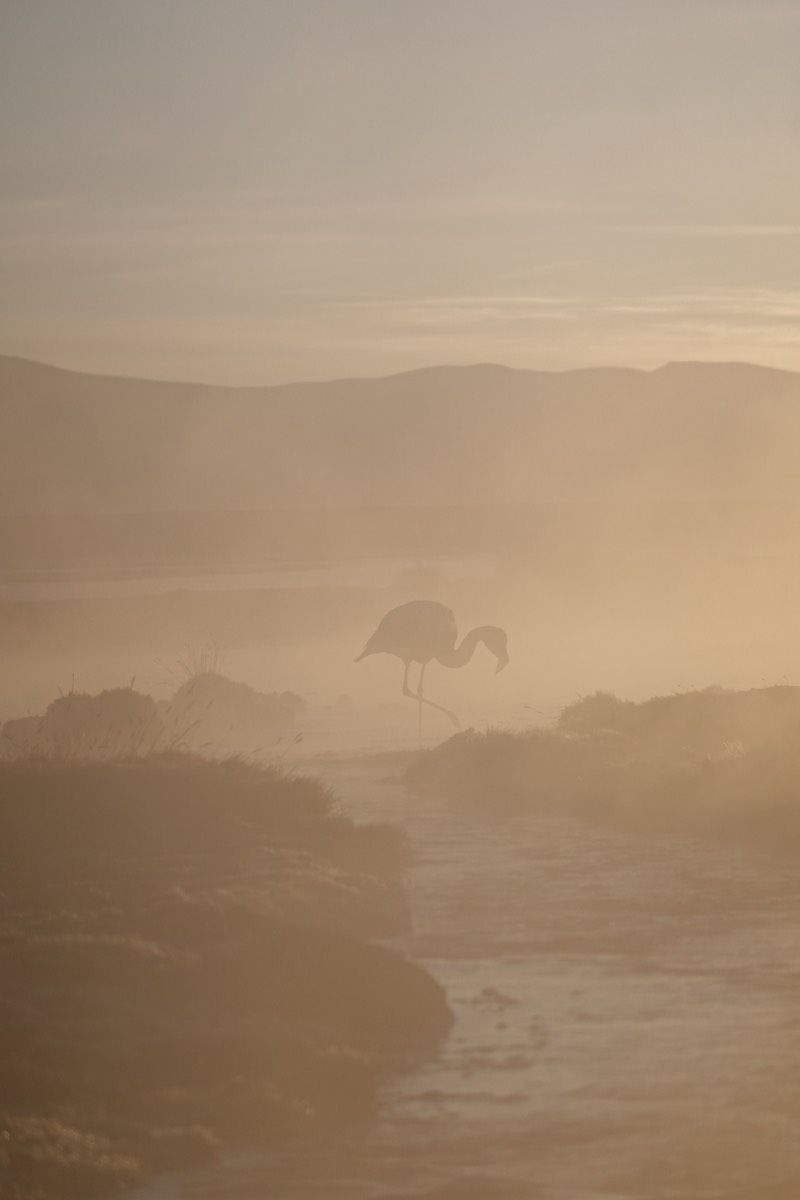
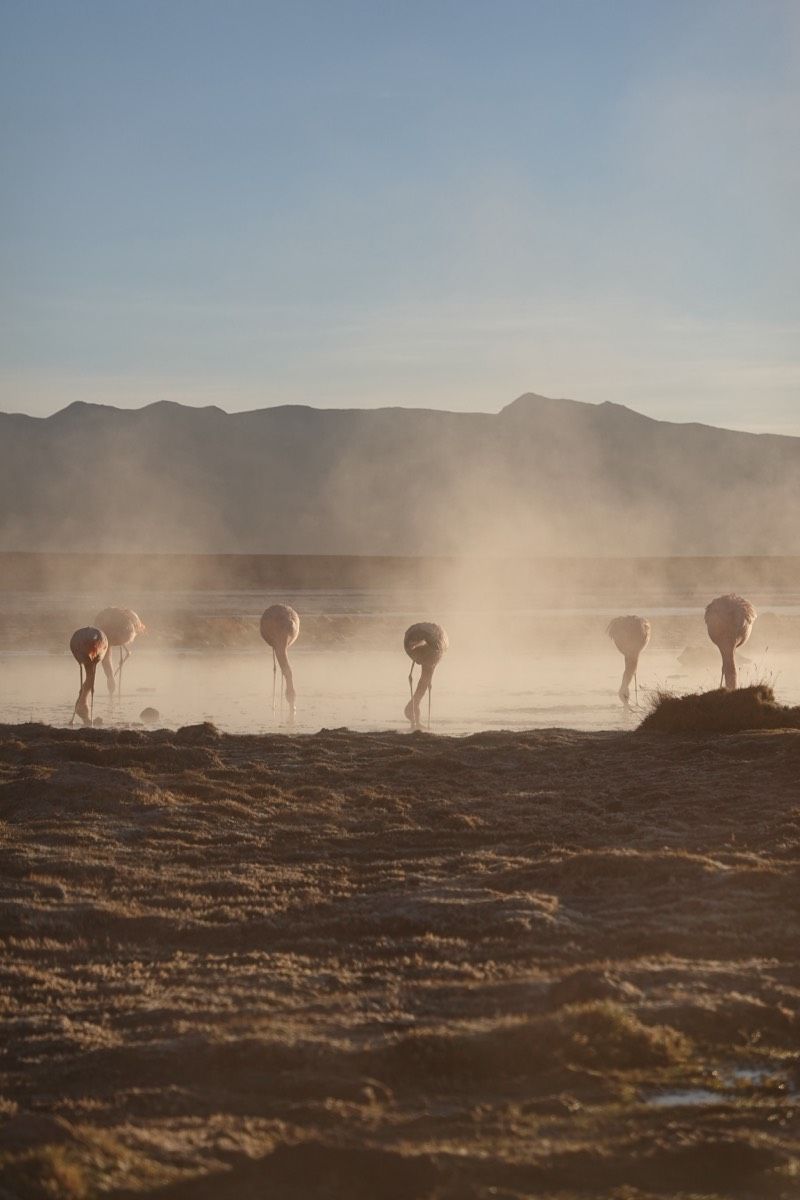
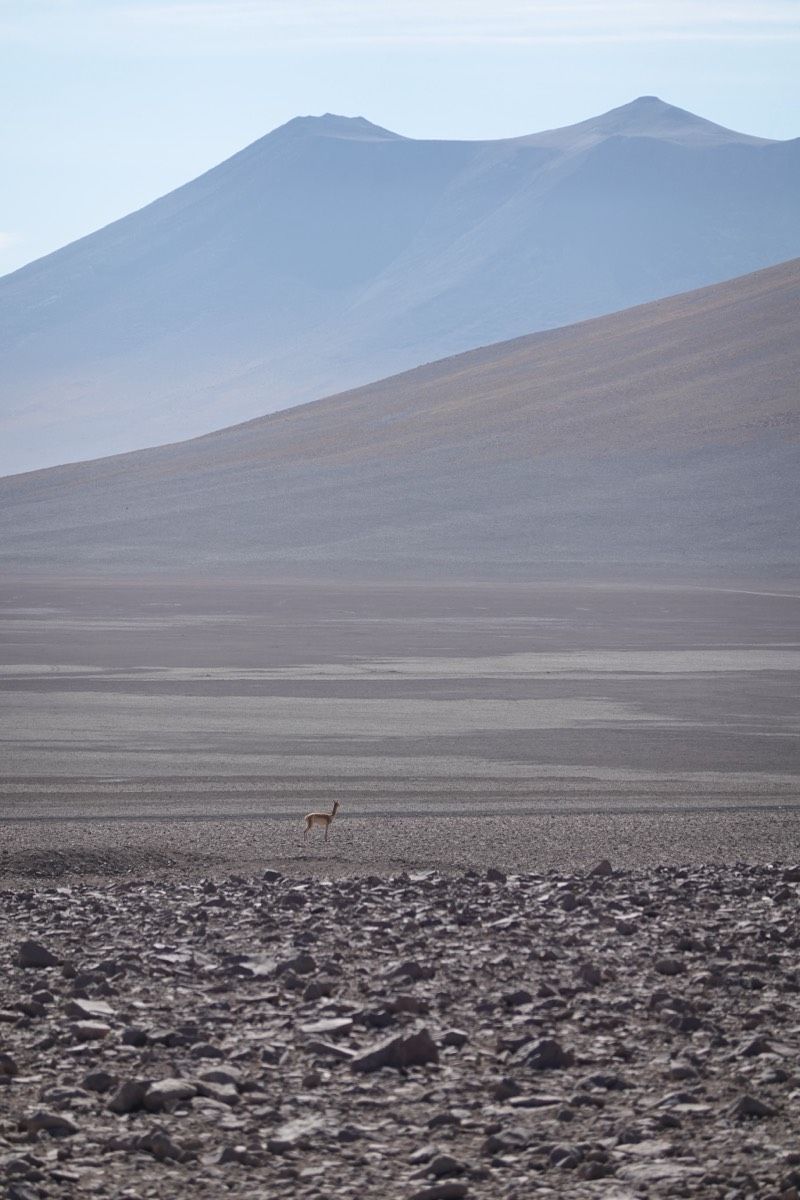
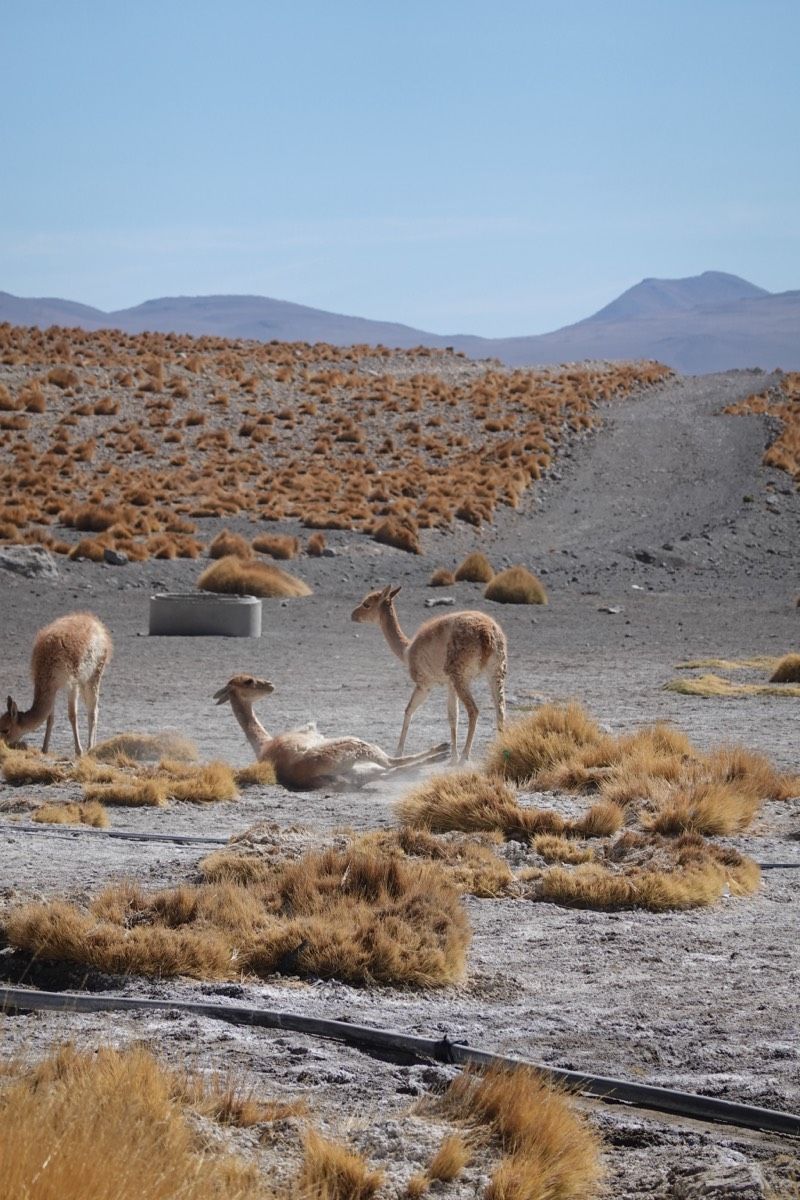
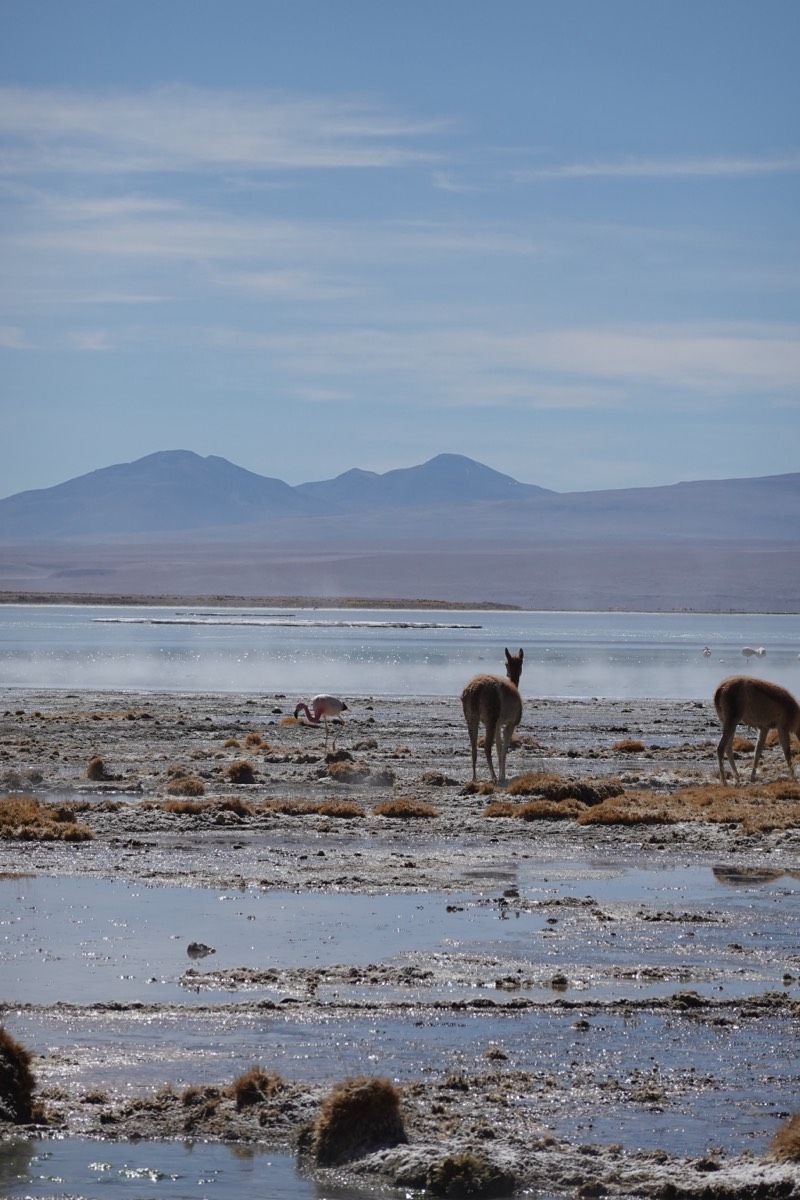
After recovering in La Paz we headed south to the salt flats. Driving fast through the desert with a group — the whole atmosphere felt like a car race. The landscape, the animals, houses built from salt bricks, and one morning in a hot spring with flamingos feeding in the fog above the water. Just amazing. Shortly after that final highlight my money ran out and I was forced to fly home.
What stayed with me
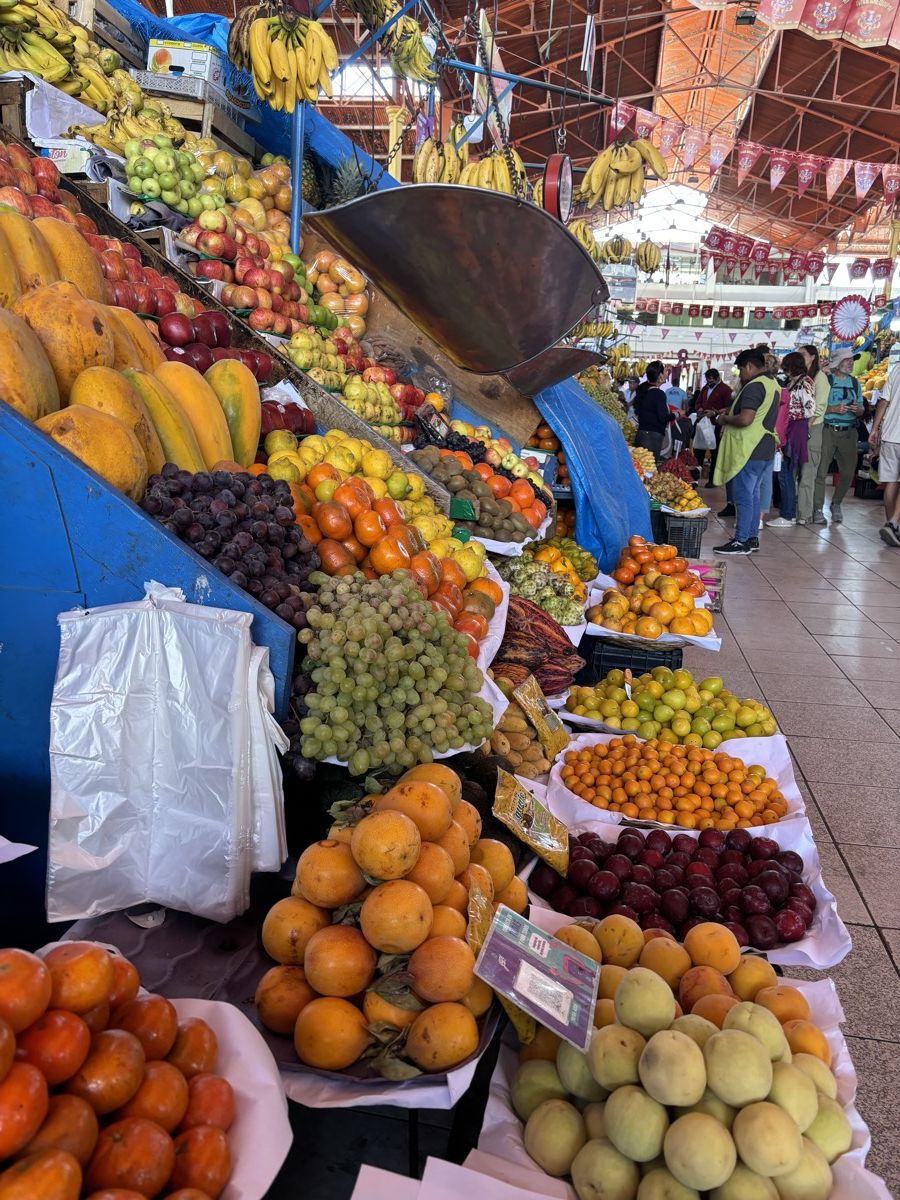
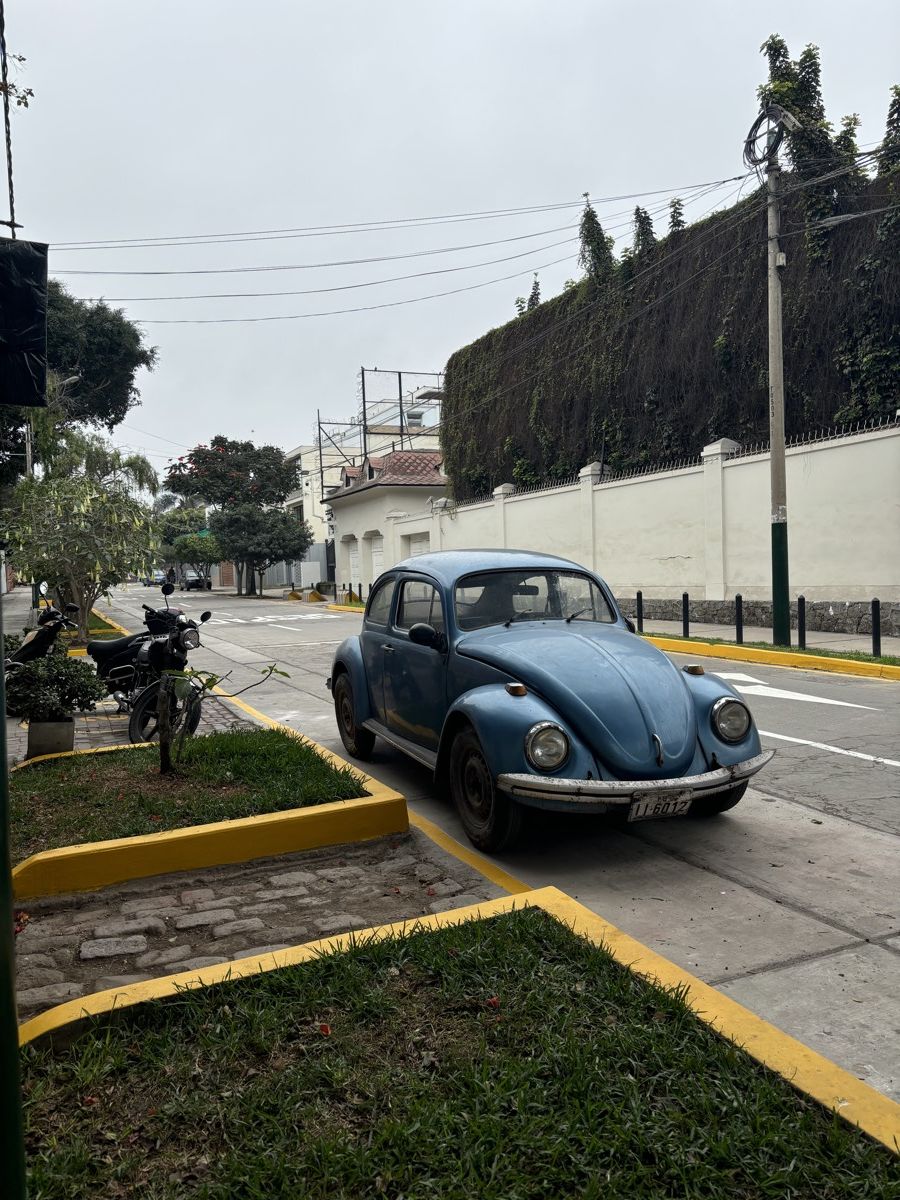
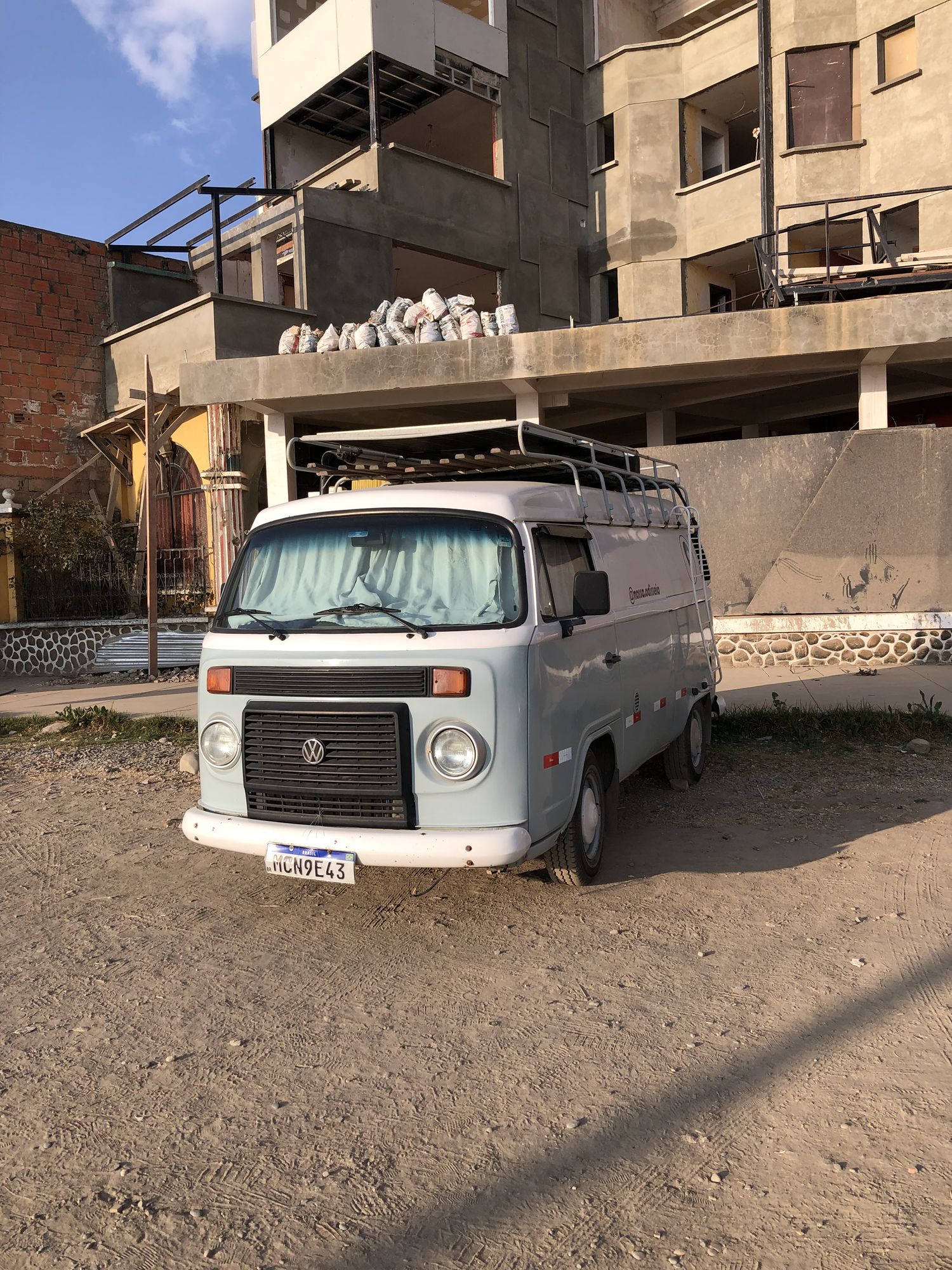
The food everywhere — fresh fruits and smoothies at every market, outstanding restaurants in La Paz, meals served on the Inca Trail. The number of VW Beetles still in daily use. And the people — across Ecuador, Peru and Bolivia — who have materially far less than anyone I know in Europe, and are noticeably, genuinely happier. That’s worth thinking about.